
Build an Outfit Around One Piece: 5 Simple Steps
Shop an outfit around one piece with ADDMPS: choose star or backdrop, set your colours, match formality, then finish with shoes and one smart accessory.
Buy clothes online with fewer returns using ADDMPS: how to measure yourself, read product pages, choose between sizes and run a proper try-on at home.
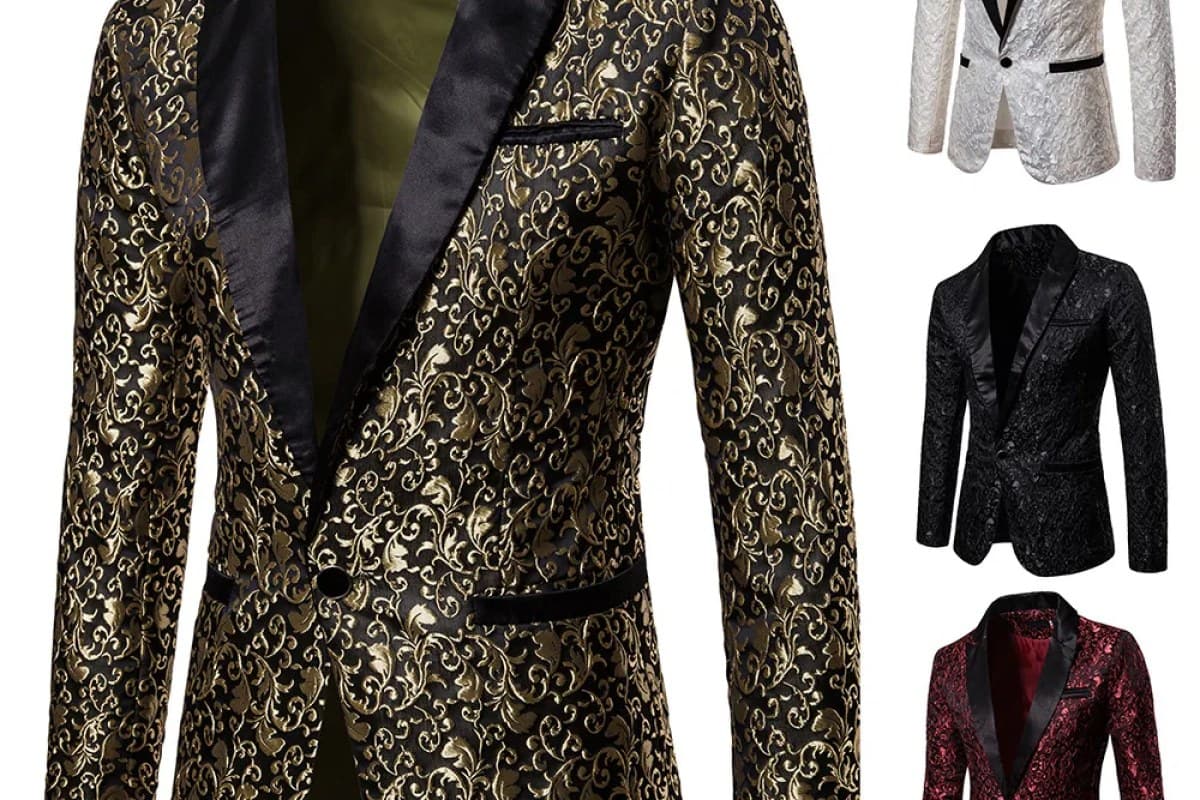
The most reliable online clothes sizing guide is a habit, not a chart: take a handful of body measurements once, compare them with the garment measurements and fabric details on each product page, and choose your size from those numbers rather than from the letter on the label. Do that consistently and most of the guesswork disappears. The rest of this guide lays out the full process, from measuring yourself to deciding what to do when a garment arrives and does not quite work.
It is the hub for our buying-online articles. Where a step deserves its own guide you will find a link, and once you know what you need, you can browse the ADDMPS shop with a list of numbers in hand rather than hope.
In a store you touch the fabric, see the fit and can try three sizes in ten minutes. Online, three things work against you. First, a letter or number size is a brand’s own label, not a standard: a medium from one brand can equal a small from another. Second, product photos show one model in one size, often clipped or pinned at the back. Third, fabric behaviour is hard to judge on a screen. A structured wool jacket and a stretch jersey dress both say “size 8”, but they will tolerate very different amounts of error. The solution is to replace impressions with numbers and to read the fabric before the photograph.
Use a soft tape measure and measure over thin clothing or bare skin, standing relaxed and breathing normally. Keep the tape level and snug but not pinching.
We break down each measurement with common mistakes in our guide to reading clothing size charts. Store the numbers in your phone and re-check twice a year, because bodies and habits change.
This step is the single most useful thing you can do. Lay your best-fitting jacket, shirt, trousers or dress flat, and measure it across the chest, waist, shoulders, length and sleeve. Compare those numbers directly with the garment measurements on a product page. A garment measured this way beats any chart, because it accounts for how much ease you like: the extra room between your body and the fabric. If a retailer lists garment measurements, choose by the ones that match your reference garment. If it lists only body measurements, allow for ease yourself: roughly 3 to 4 inches around the chest for a slim, fitted jacket and 4 to 6 inches for a classic tailored one, both layered over a shirt, less for a stretch knit, more for a relaxed cut.
A small share of elastane, often 2 to 5 percent, gives comfort and forgiveness, while 100 percent cotton, linen or wool will not stretch much. If you are between sizes, lean smaller in stretch fabrics and larger in rigid ones. Our explainer on reading fabric labels shows what the percentages mean. Always check the product page for the fabric composition, since one style can vary from another.
Note whether the item is described as slim, regular, relaxed or oversized, and what size and height the model wears if given. Compare the model’s height to yours to judge length: a hem at the model’s knee will land lower on someone shorter. Where the page lists back length or inseam, use it.
Lined and structured items, such as blazers, have less give. Details such as shoulder pads, high waistbands and fixed cuffs change the way a garment fits, and the fewer adjustable points, the more careful you must be about size.
A note on your phone pays off quickly. For each brand you buy from, record the size you took, how it fitted (shoulders snug, waist generous, sleeves long) and whether you kept it. After three or four purchases you will see patterns, such as one label running narrow in the shoulder or another running long in the leg, and you can adjust your choice before ordering instead of after. Add a line for anything you altered and what it cost, because that tells you whether buying a size up and tailoring is worth it for that kind of garment.
Ease is the difference between your body measurement and the garment measurement, and it is the reason two people with the same chest size can want different sizes. A close-fitting knit or stretch top might have almost no ease, a shirt usually has 3 to 4 inches around the chest, a tailored jacket about 4 to 6 to allow for a shirt underneath, and an oversized cut can have far more. Decide what look you want before you compare numbers. If you want an oversized coat, buy your normal size and check the drop of the shoulder; if you want a sharp blazer, prioritise shoulder width and chest, and check whether the waist is fitted.
When your measurements fall between two sizes, use these rules of thumb:
Tailors can shorten, take in and hem cheaply but can rarely let out much or move shoulders. That asymmetry means it is usually smarter to size up and alter than to size down and hope. See which suit alterations are worth paying for for the fixes that are cost-effective.
Every online purchase carries a small chance of a miss, and a sensible plan reduces the cost of one. At ADDMPS, eligible unworn items with tags can be returned within 30 days of delivery, and delivery and return details are on the shipping and returns page. Read them before you order, not after. To make the window work for you, try garments on the day they arrive, in the shoes and underwear you intend to wear, and decide within a few days. Our article on return policies and fit tips before you buy has a full checklist for keeping returns rare.
Keep the tags and packaging until you have decided, since eligible items must be unworn with tags to qualify for return.
Length is the most common fit complaint online and the most fixable. Trouser and skirt hems, sleeve ends on jackets and shirts, and the hem of a dress can all be shortened cheaply by most tailors, while lengthening depends on how much fabric was left inside the hem. If you are tall, check for a stated inseam or back length before ordering and look for hems with spare fabric. If you are petite, price in a hem alteration before you decide on a purchase, and remember that high-waisted, cropped and wide-leg items may need a tailor for the proportions to work.
These are the errors that cause most disappointing parcels.
Decide by the garment. For structured pieces and anything with shoulders, take the size that fits your shoulders and get the rest altered. For trousers, size to your hips. For stretch fabrics, take the smaller size for a fitted look.
No. Measure once, save the numbers, and update them if your body changes. Then compare them with each product page. Measuring a well-fitting garment you own is a shortcut that works across brands.
Larger is usually safer if you have access to a tailor, because clothes are easier to take in than let out. If you prefer not to alter, follow the garment measurements and choose the size that gives the ease you like.
Check whether it could be fixed by a hem, sleeve or waist adjustment. If it cannot, return it promptly while it is still unworn with tags, using the return details you checked before ordering.
Once you have your numbers, shop women’s wear or men’s wear at ADDMPS and compare each piece with your own reference garment before ordering.
Edited by the ADDMPS Style Team.
Shop an outfit around one piece with ADDMPS: choose star or backdrop, set your colours, match formality, then finish with shoes and one smart accessory.

Steam or dry clean your blazer? ADDMPS explains when each is right, how to steam at home step by step, and which fabrics need extra caution before you start.