
Build an Outfit Around One Piece: 5 Simple Steps
Shop an outfit around one piece with ADDMPS: choose star or backdrop, set your colours, match formality, then finish with shoes and one smart accessory.
See which suit alterations are worth the money, their typical limits, and which fixes to skip. ADDMPS explains hems, sleeves, waist, seat and shoulders.
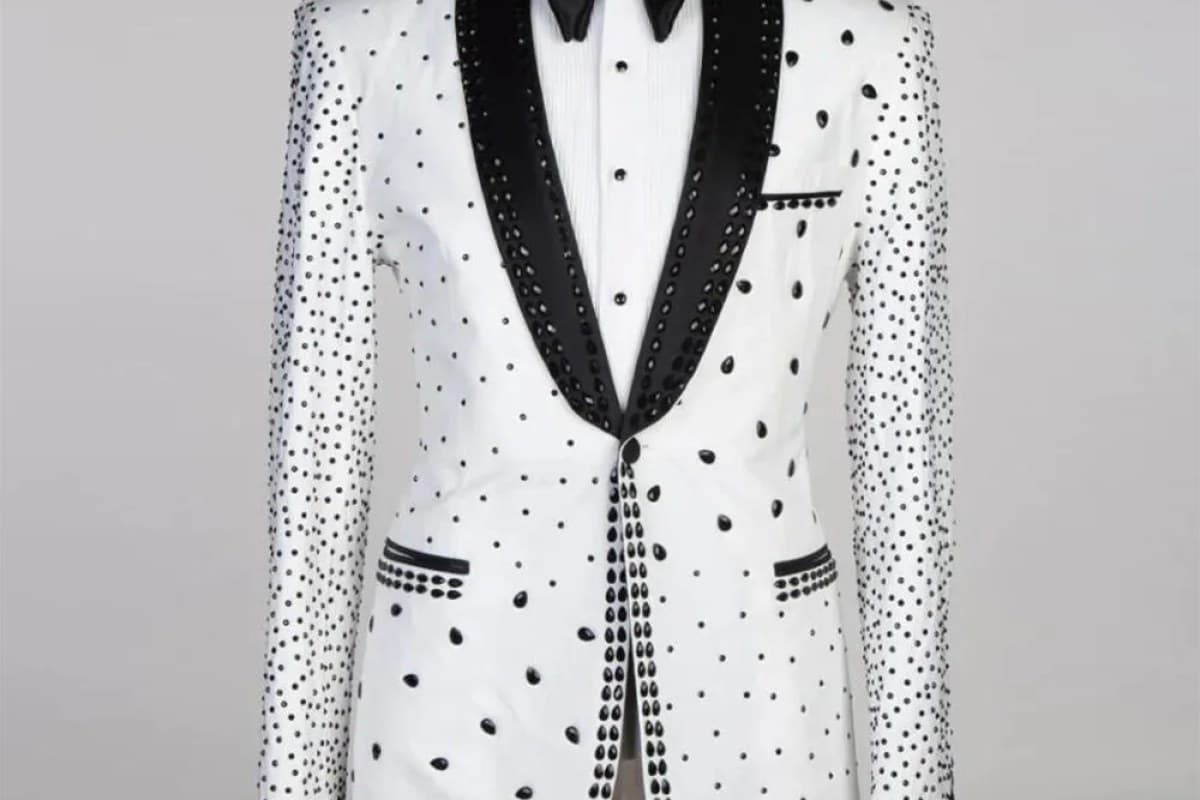
The suit alterations worth paying for are the ones a tailor can do reliably and that make the biggest visual difference: trouser hem, jacket sleeve length, trouser waist and seat, and jacket waist suppression. The ones not worth paying for are the ones that fight the structure of the garment, like moving shoulders, drastically changing the chest, or re-cutting a jacket that is a size off. If a suit needs the second kind, walk away and buy a different size.
This guide ranks alterations by value and difficulty, gives typical limits, tells you what to bring to the tailor, and shows you how to avoid paying to fix a suit that should have been returned.
The order below runs from the simplest and most rewarding to the most technical. In general, alterations that involve taking fabric away or shortening are cheap and safe. Those that need adding fabric, or moving a structural seam, depend on how much spare material was left in the seam allowance, and they cost more.
Almost every off-the-rack suit trouser is sold unfinished, so hemming is expected. Tell the tailor what shoes you will wear, and the break you want: no break, slight break or a full break where the fabric folds once against the shoe. A cuffed (turn-up) hem is slightly heavier and needs a tailor to fold it. Ask for the break to be marked while you stand normally, not while you are on tiptoe or slouching.
Shortening a jacket sleeve from the cuff is common, and you should see about half an inch (roughly 1 cm) of shirt cuff. Real, working buttonholes on the cuff make it harder: shortening by more than roughly half an inch to an inch means the buttons must be moved up, and there may not be room for the buttonholes to clear the edge. Many suits in the middle price range have decorative, non-working buttons that are easy to move. Lengthening is limited to the hem allowance inside the sleeve, which is often only around half an inch to an inch.
Trouser waists can usually be taken in by about 1 to 2 inches by adjusting the centre-back seam. Letting out is possible only if the back seam has spare cloth, commonly up to an inch or so. It is one of the simplest jobs a tailor does.
Taking in the jacket at the side seams and centre-back seam gives a better shape, especially if you are slimmer at the waist than at the chest. Roughly 2 inches of total reduction is common, depending on the seam allowance and the vent. Going further pulls the pockets and the front, and it leaves the jacket looking pinched. Our guide to suits for athletic builds shows where waist suppression matters most.
Taking in loose fabric in the seat and thigh cleans up baggy trousers. Letting the seat out is limited to what is in the seam, usually about an inch. If the trousers pull across the seat when you sit, it is better to change size.
A tailor can narrow the leg from the knee down. Tapering a full leg to a slim opening is possible, but making a leg significantly wider is not. Keep the opening wide enough for your shoe, and remember that the narrower the hem, the more the break shows.
Shortening a jacket is possible but tricky because it disturbs the pocket positions, the vents and the button stance, so it is rarely worth it. Lengthening is often impossible. If the jacket’s proportions are wrong, look for a different size or cut.
If the collar lifts off your neck at the back, a good tailor can often re-cut and reset the collar. The job takes skill and is not always successful, so ask whether they do it regularly. It is worth it on a good jacket, but not on a cheap one.
A useful rule of thumb: make sure the total alteration cost is a modest fraction of the suit’s price, not a large share. Basic work such as hemming and sleeve shortening is worth doing on any suit, because fit is what makes a suit look good. Complex work is worth doing on a jacket that you are confident will last. On a low-cost suit, stick to the basics and pick a size that fits the shoulders and chest.
Stand naturally, do not hold your posture stiffly, and speak up if something feels restricting when you raise your arms or sit.
Simple hems can be done in a few days, while more complex work often takes one to two weeks, depending on the tailor’s workload. Book well before an event, and always leave a buffer for a second fitting. Timelines for grooms are covered in our article on groom suit timing and fittings.
No. If you buy online, first try the suit on and judge the shoulders, chest and jacket length before you touch a needle. Eligible unworn items with tags can be returned within 30 days of delivery, and altering a garment usually means it can no longer be returned as unworn, so make the keep-or-return decision first. You can check delivery and return details at our shipping and returns page.
Look at their work on a suit you know well, ask friends or colleagues who wear suits, and check whether they pin and mark rather than guess. A good tailor asks how you like the fit, explains limits before starting, and will tell you when a jacket is not worth altering. Ask about the price before starting.
About half an inch (roughly 1 cm) of shirt cuff should show below the jacket sleeve. The sleeve should end around the wrist bone.
Only slightly. A tailor can let out the seams by whatever allowance the maker left, often around an inch in total. If the jacket is tight across the shoulders or chest, buy a bigger size.
Alterations adjust a finished garment, and tailoring or bespoke work builds the garment for your body. Alterations are limited by the original cut, while made-to-measure and bespoke start from your measurements.
Hem them before wearing, using the shoes you will wear most often. Leave the fitting until after you have decided to keep the suit.
For a full buying framework, read our complete guide to men’s suits, then browse dress suits at ADDMPS.
Edited by the ADDMPS Style Team.
Shop an outfit around one piece with ADDMPS: choose star or backdrop, set your colours, match formality, then finish with shoes and one smart accessory.

Steam or dry clean your blazer? ADDMPS explains when each is right, how to steam at home step by step, and which fabrics need extra caution before you start.