
Build an Outfit Around One Piece: 5 Simple Steps
Shop an outfit around one piece with ADDMPS: choose star or backdrop, set your colours, match formality, then finish with shoes and one smart accessory.
Measure your neck and sleeve, use the two-finger collar test and choose the right cuff so a dress shirt fits properly. Find men’s dress shirts at ADDMPS.
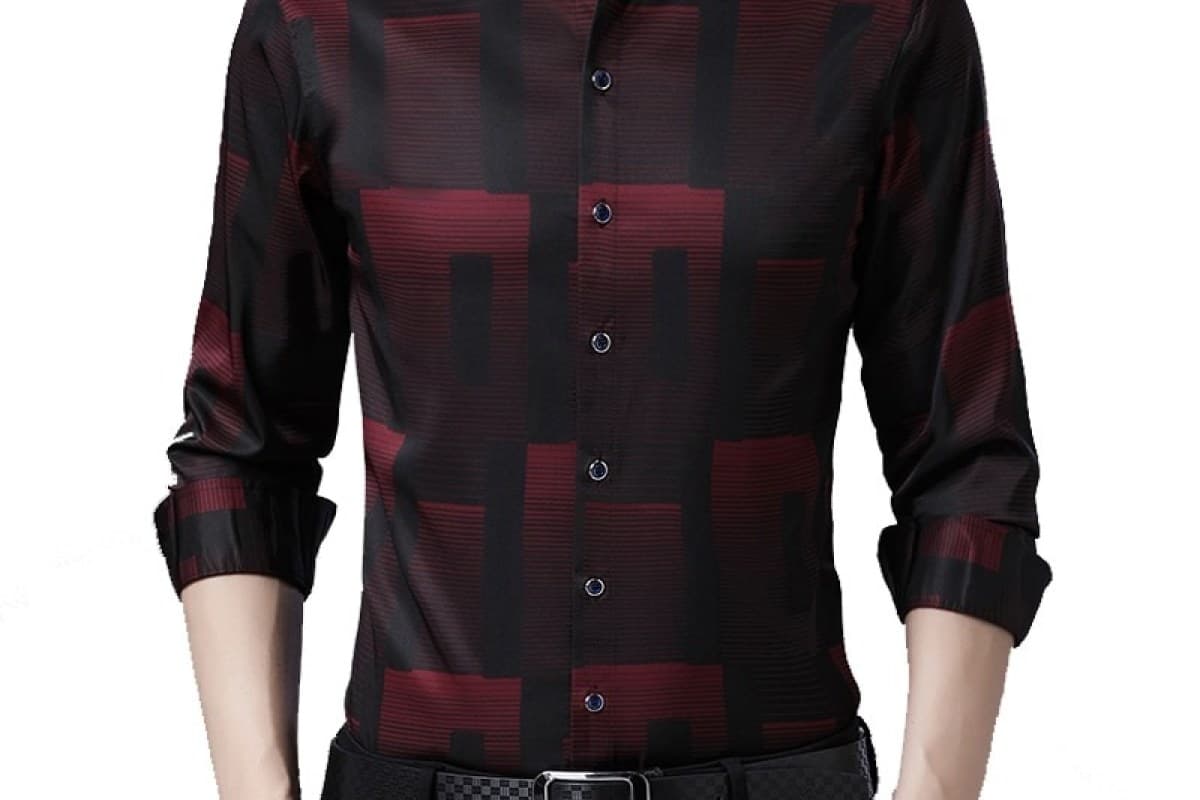
A dress shirt fits when you can button the collar with two fingers of room, the cuff stays put on your wrist without pinching, and the sleeve ends at the wrist bone so that a bit of shirt shows beneath a jacket. Those two measurements, neck and sleeve, are the ones printed on traditional shirt labels, and they are the easiest to get wrong when you buy online. This guide shows how to measure them, how to check the fit in the mirror, and how to choose the collar and cuff style that suits your face, your tie and the formality of the occasion.
Button the top button and put your fingers between the collar and your neck. Two fingers should slide in comfortably. One finger is a slim, sharper fit that suits a tie tied tightly; three is loose enough that the collar will gap and roll. Turn your head left and right. The collar should not dig in, and it should stay upright without the points curling away.
The collar band should touch the back of your neck all the way around and hold the tie knot in position. If the collar looks limp once buttoned, a collar stay may help, or the shirt is a size too big.
A tape measure round the outside of an existing shirt’s collar, laid flat from the buttonhole to the centre of the button, is the other reliable method. Compare it with the size chart on the product page. Our guide to reading clothing size charts explains the difference between body measurements and garment measurements.
A buttoned barrel cuff should sit at the wrist bone with room for one finger inside. If it is tighter, the cuff cuts into your wrist when you type; if it is looser, it slides over the hand. Many shirts offer two button positions to fine-tune the fit. If you wear a watch, choose the looser position so that the cuff can move over the case without catching.
The balance is fine: loose enough to pass over a watch case, tight enough that it cannot slip down over the back of your hand. That is why a shirt sometimes fits well everywhere except at the wrist, and why the button position matters.
Traditional shirt sizes list the collar and then the sleeve, for example 15.5 / 34-35. The sleeve number is measured from the centre back of the neck across the shoulder to the wrist bone. When your arm hangs, the cuff should finish at the base of your thumb or slightly above it, and when you wear a jacket the cuff should extend a quarter to half an inch past the jacket sleeve, as described in our suit jacket fit guide.
Lift your arms. If the cuff climbs several inches up your forearm, the sleeve is too short or the body too tight. Too long and the sleeve bunches into a pile at the wrist.
Have someone measure from the middle of the back of your neck, over your shoulder point, down your slightly bent arm to the wrist bone. Doing it alone is difficult, so an existing shirt that fits is a better reference: lay it flat and measure from the centre of the collar back, along the shoulder seam, to the end of the cuff.
A collar style changes the fit and formality of the shirt as well as the shape it frames:
Because collar sizes often come in half-inch steps, use your neck and sleeve measurements rather than a general “M” or “L”. If you fall between two sizes, choose the larger collar and have the sleeve adjusted, or choose the shirt that matches the more visible number. Eligible unworn items with tags can be returned within 30 days of delivery, and the delivery and return details are on our shipping and returns page.
Snug enough that it holds a tie knot in place, loose enough that you can slide two fingers inside when fastened. If the button pops open or you feel pressure when turning your head, go up half a size.
Yes, by around a quarter to half an inch. It frames the wrist, and it protects the sleeve lining from wear.
The first number is the collar size in inches and the second is the sleeve length range. A 15.5 collar with a 34-35 sleeve fits a neck about 15 inches in circumference, plus allowance for comfort, and an arm that measures between those two sleeve lengths.
Adjusting the collar is difficult because the collar band, collar and yoke are all connected, and most tailors will only do it if the shirt is expensive. Sleeves and body taper are routine alterations, so choose the shirt for its neck and shoulder fit first.
To compare styles, start with the men’s dress shirts at ADDMPS, take your neck and sleeve measurements, and check them against each size chart before you order.
Edited by the ADDMPS Style Team.
Shop an outfit around one piece with ADDMPS: choose star or backdrop, set your colours, match formality, then finish with shoes and one smart accessory.

Steam or dry clean your blazer? ADDMPS explains when each is right, how to steam at home step by step, and which fabrics need extra caution before you start.