
Build an Outfit Around One Piece: 5 Simple Steps
Shop an outfit around one piece with ADDMPS: choose star or backdrop, set your colours, match formality, then finish with shoes and one smart accessory.
Avoid returns when buying clothes online with ADDMPS: a five-minute pre-order checklist, a smart try-on routine and a simple keep, tailor or return rule.
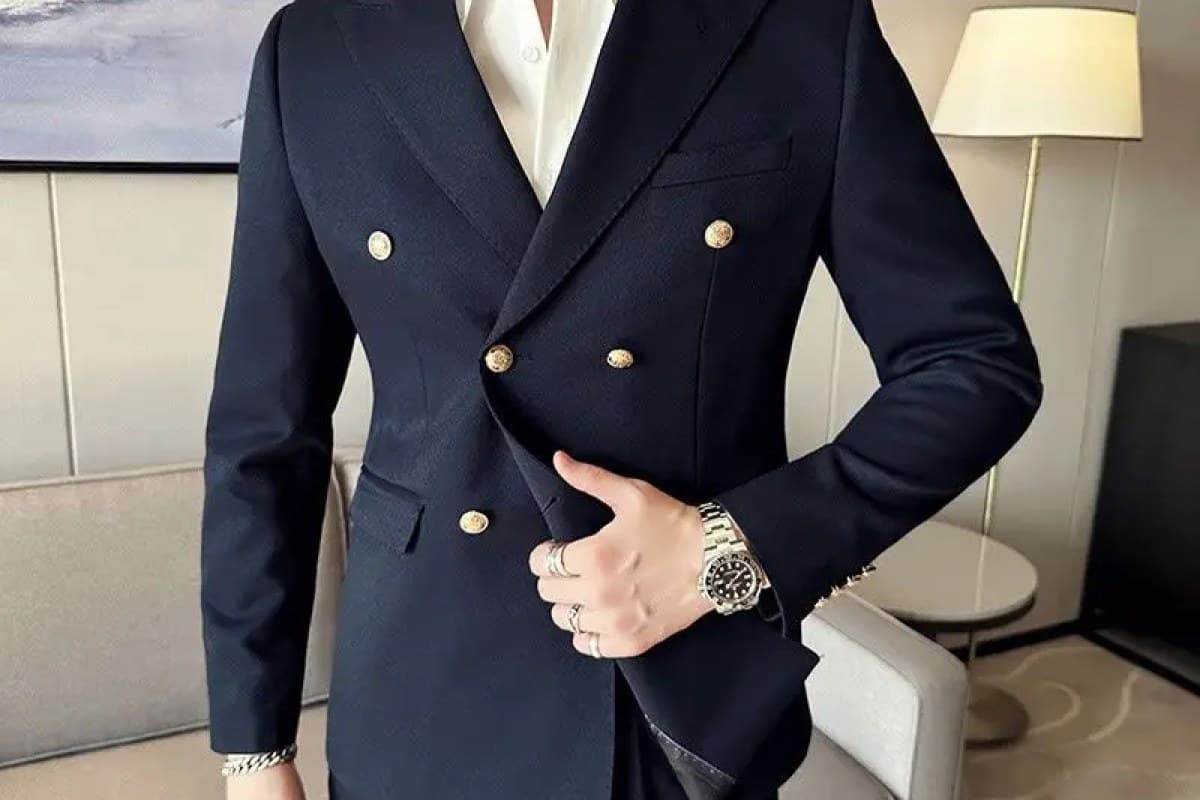
The easiest way to handle buying clothes online and getting the fit right is to do the checking before you click order, so that the return window is a safety net you rarely need. Four checks catch most problems in advance: your measurements against the garment’s, the fabric’s stretch, the cut described on the page, and the return terms. This article is a pre-purchase routine, plus a plan for the first day the parcel arrives.
At ADDMPS, eligible unworn items with tags can be returned within 30 days of delivery, and the full delivery and return details are on the shipping and returns page. Read that page before ordering, because the details of what qualifies matter more than the headline number of days.
Returns usually fall into a few categories: the size was wrong, the item looked different from what was expected, the fabric felt different from what was imagined, or the buyer ordered several options and never intended to keep them all. The first three are largely preventable with a few minutes of checking. The fourth is a habit worth breaking, since bracket-buying wastes time and creates hassle for you.
If your numbers land between two sizes, choose based on the part of the garment that is hardest to alter. For a jacket, that is the shoulders. For trousers, it is the hips and thighs. For a dress, it is the bust or the widest of bust and hip. The waist, hem and sleeve length are easy alterations, while shoulders are not. If the piece is a stretch knit, you can usually take the smaller size. For a deeper look at how tailors treat these fixes, see which suit alterations are worth paying for, which also applies to blazers and trousers generally.
Order a second size only when it is genuinely a coin toss. Ordering three sizes “to be safe” means two of them travel back, and the process of sending them costs you time even if the return window covers the outcome.
Because eligible items need to be unworn with tags, treat the first try-on as a careful audition, not a first outing. Practical habits help:
For anything not covered here, such as how returns are processed or what counts as eligible, refer to the shipping and returns page rather than assumptions.
Wear the underwear, shoes and shirt you would actually wear with the item. Stand in front of a full-length mirror in good daylight. A garment that looks good in dim lighting can look different at noon.
Raise your arms, sit, bend and walk. Watch for pulling across the back, gaping buttons, waistbands that dig or a skirt that rides up. For jackets, the shoulders and sleeve length are the two things a tailor cannot easily fix, so check them first.
Assemble two complete outfits with the new item, using only things you already own. If you cannot make two outfits you would wear, the item may be a poor fit for your wardrobe even if it fits your body.
Decide within a few days of arrival. Waiting until the last week means you have less time to exchange for another size or reorder if stock runs low.
None of these rules out a purchase, but each is a reason to lean on your own reference garment and measurements more heavily.
A short list of questions like this stops impulse buys and removes many returns before they happen. If you are building a wardrobe from a plan, the framework in our online clothing sizing guide ties the process together.
Only if you truly cannot decide between two. Otherwise, use your measurements and the garment’s chart to pick one, and use the return window for the occasional miss instead of routine.
Eligible items must be unworn with tags, and can be returned within 30 days of delivery. For anything more specific, check the shipping and returns page before you order.
Read the composition, look at close-up photos and compare with something you own. Linen feels crisp and cool, wool blends feel warm and structured, and elastane blends feel softer. Fine details such as thickness and texture are hard to judge from a photo, so allow for that.
Often, yes, because clothes are easier to take in than let out. It only makes sense if you have access to a tailor and the garment has decent proportions in the shoulders and length.
Ready to shop with a plan? Explore women’s wear or men’s wear at ADDMPS, and keep your measurements and the return details handy.
Edited by the ADDMPS Style Team.
Shop an outfit around one piece with ADDMPS: choose star or backdrop, set your colours, match formality, then finish with shoes and one smart accessory.

Steam or dry clean your blazer? ADDMPS explains when each is right, how to steam at home step by step, and which fabrics need extra caution before you start.