
Blazer Care: Steaming vs Dry Cleaning
Steam or dry clean your blazer? ADDMPS explains when each is right, how to steam at home step by step, and which fabrics need extra caution before you start.
Shop an outfit around one piece with ADDMPS: choose star or backdrop, set your colours, match formality, then finish with shoes and one smart accessory.

The simplest way to shop an outfit around one piece is to treat that piece as the anchor and choose everything else to support it: decide whether the anchor is the star or the backdrop, pick a colour plan, then add three supporting items, a pair of shoes and one accessory. That order stops the common problem of owning a beautiful garment that never leaves the wardrobe because nothing goes with it. This guide turns the method into steps you can use whenever you find something you like at ADDMPS or anywhere else.
You can start from any category. Choose the piece that caught your eye, and then follow the steps below to work out what else you need, or whether you own it already.
Every garment plays one of two roles. A star draws attention: a bold colour, a strong print, dramatic tailoring, an unusual texture. A backdrop quietly supports: a navy blazer, black trousers, a white shirt, a neutral knit. The rule is simple: one star per outfit. If the piece you love is a star, everything around it should be a backdrop. If it is a backdrop, you have room to add a star elsewhere, such as a bold scarf, statement shoes or a contrasting top.
A quick test: hold the piece against your wardrobe, or picture it. If it has more than two colours, a large pattern or heavy embellishment, it is a star. If it is a solid neutral in a simple cut, it is a backdrop.
Pick your colours before you pick pieces. For a star piece, choose two neutrals that complement it, or pull one small colour from its pattern and repeat it in an accessory. For a backdrop, choose one accent to bring the outfit to life. The simplest structure is one dominant colour, one supporting colour and a small accent. Our guide to coordinating outfit colours explains that formula and how to check undertones.
Decide where the outfit is going. A tailored piece can be dressed down, and a casual piece can be dressed up, but the supporting items must agree on formality. Use three levels:
Take your anchor to the level you want, and then keep the other pieces within one step of it. A dressy blazer with beach shorts looks confused, whereas the same blazer with dark jeans and a tee is a clear smart-casual outfit.
A blazer is the most flexible anchor. For work, pair it with tailored trousers or a skirt, a crisp shirt or fine knit, and leather shoes. For smart casual, wear it with dark jeans, a plain tee and clean sneakers or loafers. For evening, choose a dressier top, a slim trouser or skirt and polished shoes. Look at accessories that upgrade a blazer outfit for the finishing touches.
A dress is a complete outfit, so build outward rather than adding pieces. For daytime, add a denim jacket or a lightweight cardigan, and sneakers or flat sandals. For work, add a blazer and closed shoes. For evening, replace the outer layer with a dressier jacket or wrap, add heels or sleek flats and keep jewellery focused on one area. A plain black dress gives the most variety, because every layer and accessory changes its mood.
Trousers are the base for many outfits, so choose the top and the shoe according to their shape. Wide or high-waisted styles like a fitted top or tucked shirt, slim styles balance a looser top, and straight styles suit almost anything. Pick a top in a colour that contrasts gently with the trousers, add a layer that matches the level of formality and finish with shoes in a colour that matches the belt or bag.
Balance volume. A full or pleated skirt calls for a fitted or tucked top, and a slim skirt gives you room for a looser blouse, a knit or an oversized shirt. Choose shoes according to the length: flat shoes and ankle boots suit midi lengths, and heels or heeled sandals suit shorter or slit styles.
These are usually backdrops, so let them do the work of connecting other pieces. A white shirt can lighten a dark suit, a coloured knit can add a focal point to neutral trousers, and a fine-gauge sweater under a blazer adds texture without bulk.
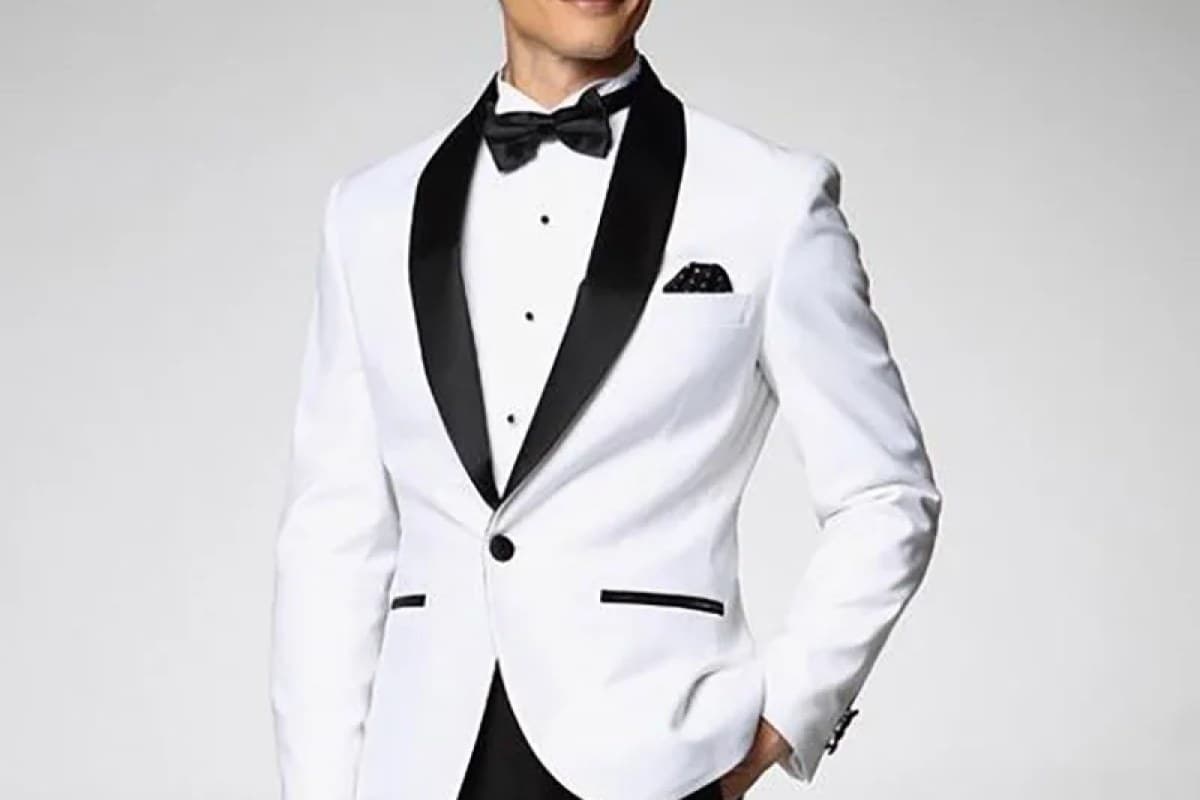
A suit can be broken up. The jacket goes with jeans, the trousers go with a knit or shirt and the full set stays for formal moments. For a men’s suit anchor, the shirt colour and tie should remain simple, and shoes should match the belt.
A watch is an accessory anchor, so let the strap or metal guide the rest. A leather strap goes with a matching belt and shoes, a metal bracelet goes with metal accents in the same tone, and a sport or digital watch sits well with casual layers. Our small range is at ADDMPS watches, and the guide to pairing watches with formal and casual outfits explains how strap, case size and dial style relate to dress codes.
Shoes set the tone. Leather shoes push an outfit toward formal, clean sneakers move it toward casual, and boots suit cooler weather and add an edge. Choose one colour that either matches or complements your main pieces. Then add a single accessory in the same tone as the shoes or belt, whether it is a bag, a belt, a scarf, a watch or a piece of jewellery. One thoughtful accessory looks deliberate, while four look busy.
Before buying an additional piece to go with an anchor, run three checks:
Only then buy the missing piece. This approach keeps the wardrobe coherent, and it fits with the wider framework in our guide to building a versatile wardrobe.
Buy one bridging item, usually a plain top or bottom in a neutral shade that suits the piece. Then you can borrow from the rest of your wardrobe as it grows.
A well-fitted blazer, a pair of good trousers or a neutral dress. They combine with the most items, and they can cover work, weekends and evenings with small changes.
Three to five items, plus shoes and one accessory, is a good range. More than that and it is hard to keep colours and formality consistent, and fewer than three can look unfinished.
Yes. Pull one colour from the print for a solid piece, keep everything else neutral and avoid a second pattern unless it is much smaller or larger in scale.
When you are ready to start, look through the women’s or men’s collections at ADDMPS and pick the piece you would build around.
Edited by the ADDMPS Style Team.
Steam or dry clean your blazer? ADDMPS explains when each is right, how to steam at home step by step, and which fabrics need extra caution before you start.
Decode clothing fabric labels with ADDMPS: what fibre percentages mean, how cotton, wool and elastane behave, and how to read every care symbol correctly.