
Build an Outfit Around One Piece: 5 Simple Steps
Shop an outfit around one piece with ADDMPS: choose star or backdrop, set your colours, match formality, then finish with shoes and one smart accessory.
Know when to wear cufflinks, which shirt cuffs take them, how to pick metal and style, and how to fasten them properly. A clear ADDMPS guide for every man.
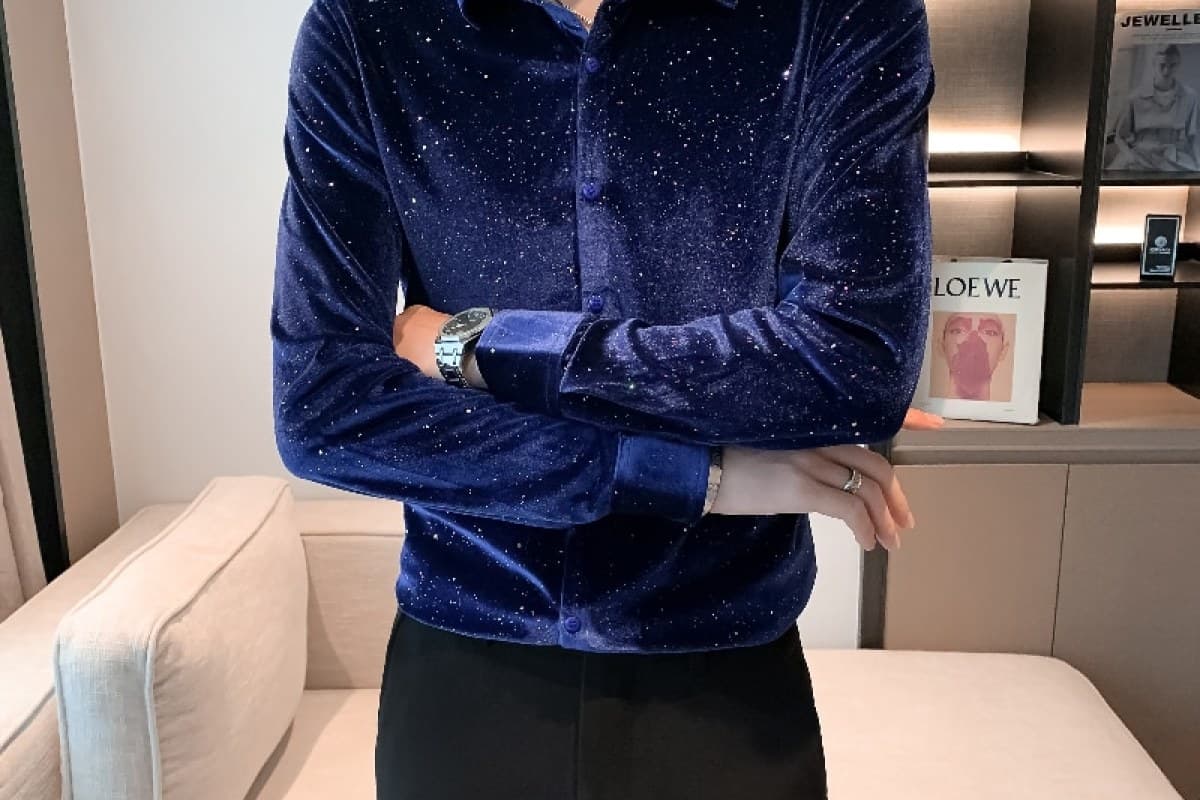
Wear cufflinks when your shirt has cuffs made for them, typically double (French) cuffs, and when the occasion is dressy: a formal office, a wedding, a black-tie event, an interview in a conservative industry or an important dinner. Choose simple metal or dark enamel links, match their metal to your watch and belt buckle, and fasten them with the faces pointing outward. That is the core of a cufflinks guide for men, and the rest of this article deals with types, sizes, how to put them on, and the mistakes worth avoiding.
Cufflinks belong wherever a jacket stays on and the dress code is smart or above. The most common occasions are:
Skip them with casual shirts, short sleeves, knitwear, or when the jacket comes off in a hot room and you will fold back the sleeves; loose links catch on things. Wearing cufflinks in an office with a casual dress code can look like you are trying too hard.
These are the standard. The cuff is twice as long and folds back on itself, and both layers are fastened with the link through matching buttonholes. Our article on French cuff shirts explains the shirt in depth.
Some shirts have a standard single cuff with a second buttonhole, so you can use either a button or a link. These are sometimes called convertible or cocktail cuffs. Overlap the cuff edges as you would when buttoning, then pass the link through both holes.
These have a single buttonhole and cannot take cufflinks. Do not force a link through the fabric; if you want links, buy a shirt made for them.
Silver-tone (sterling, rhodium or stainless) is the most versatile and matches most watches. Gold-tone gives a warmer, traditional look with navy and grey, and gunmetal suits modern dark suits. Match the metal to your watch case, belt buckle and tie bar where possible; our guide to matching tie and watch metals explains which mixes look deliberate.
Plain round or square metal, dark enamel, mother-of-pearl and black onyx are safe and formal. Patterned, engraved or novelty links are for personality, so let the design earn its place: one small, clean motif looks better than a cartoon character.
The face should be roughly 12 to 20 mm across. Anything much larger looks bulky against a cuff, and anything smaller can vanish. Measure your wrist against the cuff opening, since links that are too big can catch on the jacket sleeve.
Take a cue from your tie or pocket square, or stay neutral. Navy or burgundy enamel goes with most suits. If the shirt has a pattern, choose a solid link.
The second wrist is always the awkward one, because you have to work with your non-dominant hand. Fasten the first cuff, put the shirt on, and then do the second cuff with the sleeve pushed up your forearm and your hand held in a relaxed, slightly bent position. Fasten the links before you put on your jacket. A cuff that is too tight is much harder to close; you should be able to slide a finger inside it.
About half an inch (roughly 1 to 1.5 cm) of shirt cuff should peek out from under the jacket sleeve. The cuff should sit at the wrist bone, and the link should sit close to the wrist, not slide down the hand. If your jacket sleeve is too long, the link is hidden, so a sleeve alteration may help; see our guide on suit alterations worth paying for.
Cufflinks should complement the outfit rather than compete with it. Keep the tie, watch and links in the same metal family. Avoid wearing shiny links with a chunky tie clip and a large watch at the same time; choose one or two focal points. For formal wear, link sets with a matching shirt-stud set, in plain silver or black onyx, are traditional.
Wipe them with a soft cloth after wear, since skin oils dull metal. Keep them in a lined box or tray, away from perfume and moisture, and store pairs together. Polish plated links gently, and avoid rough cleaners that wear away plating. Check swivel backs periodically, because a loose bar is easily lost.
Yes, especially in smart social settings, with a jacket and an open collar. Choose plain links to keep the outfit sleek.
They should sit in the same metal family, such as silver with a steel watch. A small difference in tone is acceptable, but do not wear silver links with a bright yellow gold watch.
Only if the shirt has convertible cuffs, meaning a regular cuff with two buttonholes. Otherwise, use a French cuff shirt.
No, they are simply an occasion accessory. For formal dress they remain a standard finish, and they are among the few places where a man’s personality can appear on his sleeve.
Ready to build the shirt-and-link combination? Browse men’s dress shirts, and check the product page for cuff style before you buy.
Edited by the ADDMPS Style Team.
Shop an outfit around one piece with ADDMPS: choose star or backdrop, set your colours, match formality, then finish with shoes and one smart accessory.

Steam or dry clean your blazer? ADDMPS explains when each is right, how to steam at home step by step, and which fabrics need extra caution before you start.