
Build an Outfit Around One Piece: 5 Simple Steps
Shop an outfit around one piece with ADDMPS: choose star or backdrop, set your colours, match formality, then finish with shoes and one smart accessory.
Black tie means a tuxedo and bow tie; cocktail means a sharp dark suit. See exactly what to wear for each dress code, head to toe, before you shop at ADDMPS.
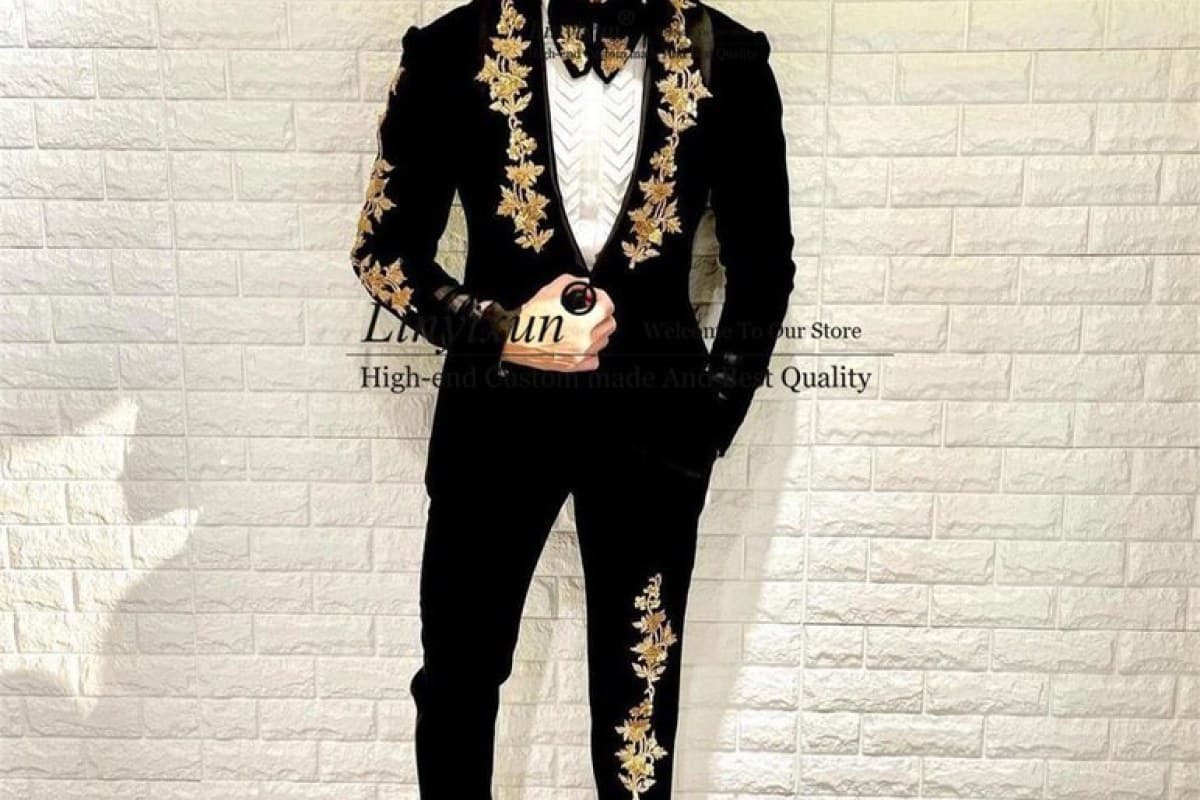
The difference between black tie and cocktail attire for men comes down to one garment and one rule. Black tie means a tuxedo (also called a dinner suit) with a bow tie, worn after dark. Cocktail attire means a sharp dark suit, usually with a tie, and leaves room for personality. If your invitation says either phrase and you are unsure what to wear, this guide decodes each dress code, shows what to put on from shirt to shoes, and explains the in-between codes that cause the most confusion.
From most to least formal, the codes you are likely to see on an invitation run like this:
Black tie is about uniformity: everyone in the room dresses in a near-identical way and the details show taste. Cocktail is about looking polished within a broader set of options.
A dinner jacket in black or very dark midnight blue, with satin or grosgrain facing on the lapels (peak or shawl lapels are traditional; a notch lapel is a more casual variant). The trousers match the jacket in cloth and carry a single satin or braid stripe down the outer seam. Traditionally they are worn without a belt: choose side adjusters or braces. Trousers are hemmed to a slight break or none, with no cuffs.
A white dress shirt with a turndown or wing collar and a plain, pleated or marcella front. French cuffs with cufflinks are standard. A formal shirt often has holes for studs instead of visible buttons; check what your shirt has before the day. Our guide to French cuff shirts covers how to fasten them.
A black bow tie, ideally one you tie yourself, in silk to match the lapel facing. Wear a cummerbund (pleats facing up) or a low-cut waistcoat to cover the waistband; the point is that the trouser waist and shirt are never exposed. Do not wear a long tie, and treat clip-on bow ties as a last resort, since a self-tied one has natural asymmetry that a clip cannot mimic.
Black patent leather or highly polished black calf oxfords are the standard, with opera pumps as the most traditional alternative. Add black over-the-calf silk or fine wool socks. A white linen pocket square in a simple fold is the traditional finish. If you wear a watch, choose a slim, unfussy dress watch on a black leather strap, or skip it entirely; see our advice on wearing a watch with a suit for the details.
When a host writes “creative black tie”, keep the bones of the tuxedo and change one visible element: a velvet dinner jacket in deep green or burgundy, a midnight-blue jacket with black trousers, or a bow tie in a rich dark colour. Change one thing, not four. Anything that ends up looking like fancy dress has gone too far.
Cocktail attire is a well-fitted dark suit in navy, charcoal or deep grey, worn with a crisp shirt and tie (or, in a more relaxed room, an open collar with a pocket square). Compared with a business suit, you can push everything a notch: a richer fabric, a smoother finish, a bolder tie, a sharper pocket square, a polished black or dark brown oxford.
Not really. A black business suit lacks the satin details and the trouser stripe, and the fabric is usually a matte worsted that looks flat beside a tuxedo. In an invitation that says black tie optional, a very dark suit with a white shirt and a black tie is generally accepted. Where black tie is required, rent or buy a proper tuxedo. If you attend these events even once or twice a year, buying one usually beats renting in the long run, but only if the fit is right, and that means tailoring.
The same fit standards apply to a dinner jacket as to any jacket: shoulders, chest, and length. Our suit jacket fit guide gives you the checkpoints.
If there is no stated code, take the venue, the time and the hosts as clues, and choose the more formal of two plausible options; being slightly overdressed is easier to recover from than being underdressed.
Yes. A black bow tie is the defining element of the code. A long tie, even a black one, is not black tie and looks like a business suit.
You can, but you may look overdressed. If the invitation says cocktail, a sharp dark suit is more appropriate, and it is worth matching your fellow guests rather than outshining the hosts.
You need something to cover the waistband, which can be a cummerbund or a low-cut waistcoat. If your jacket will stay buttoned all evening you may not need either, but you should still expect to remove the jacket when the room warms up.
Black, in silk or fine wool, and long enough to cover the calf. White or patterned socks break the uniform look.
If you are shopping for a dress code you have never met before, browse the dress suits collection at ADDMPS and check product pages for fabric and detail information.
Edited by the ADDMPS Style Team.
Shop an outfit around one piece with ADDMPS: choose star or backdrop, set your colours, match formality, then finish with shoes and one smart accessory.

Steam or dry clean your blazer? ADDMPS explains when each is right, how to steam at home step by step, and which fabrics need extra caution before you start.