
Build an Outfit Around One Piece: 5 Simple Steps
Shop an outfit around one piece with ADDMPS: choose star or backdrop, set your colours, match formality, then finish with shoes and one smart accessory.
Learn when a French cuff shirt is the right call, how to fasten it with cufflinks, and how it sits with a jacket and a watch. Find dress shirts at ADDMPS.
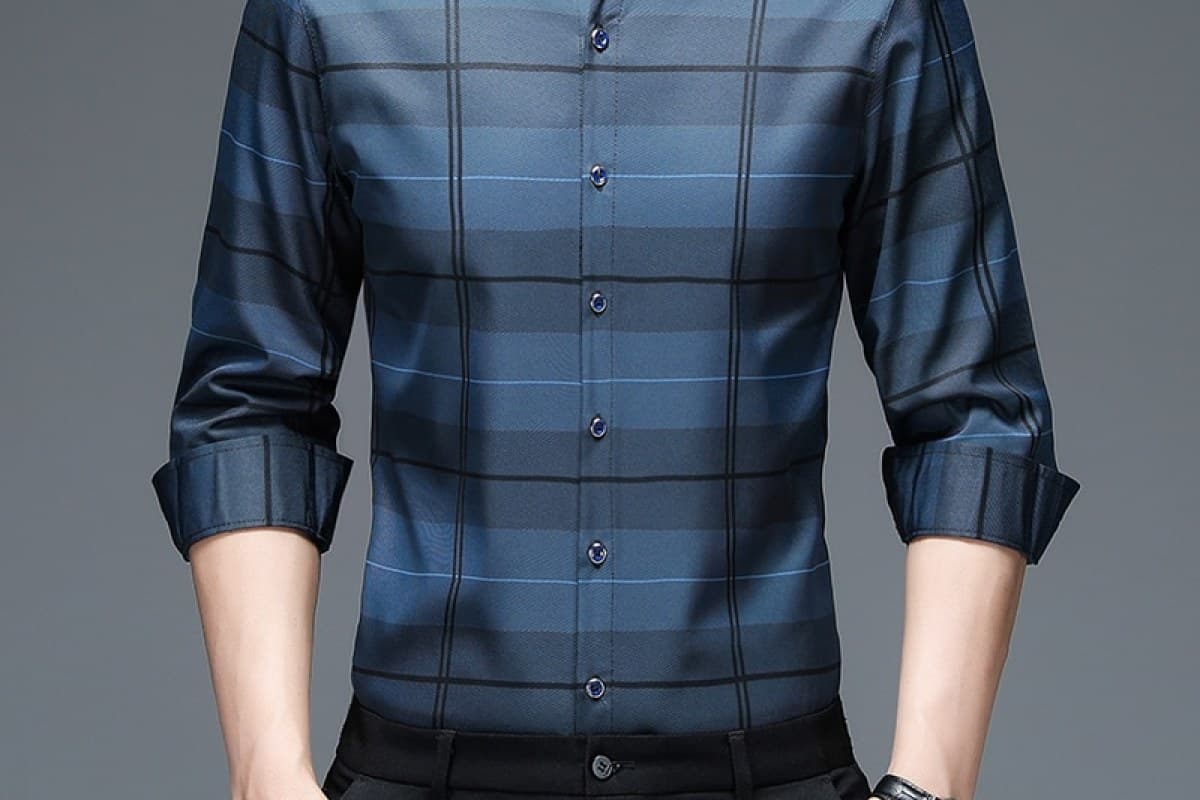
A French cuff shirt is worn with a jacket, usually with a tie, for business, formal events and weddings, and it is the traditional choice for black tie, although a plain single-cuff formal shirt is also acceptable. It finishes in a long cuff that folds back on itself and closes with cufflinks rather than buttons, so it looks dressier than a standard barrel cuff. If you have been given one for an occasion, or are wondering whether a French cuff is too formal for the office, this guide explains when to wear it, how to fasten it, which cufflinks to choose and the details that most men get wrong.
A French cuff, called a double cuff in British English, is roughly twice as long as a standard barrel cuff. You fold it back on itself to make a doubled edge, then line up the buttonholes on both sides and fasten them with a cufflink. There are no buttons on the outside of the cuff, so the link is the only decoration, which is the point: it is a piece of jewellery that belongs to formal dress.
A related style, the convertible cuff, has a button and a second buttonhole so it can be fastened either way. It is useful if you own few cufflinks, but the cuff itself is a single layer rather than a folded double one, so it looks slightly less crisp.
With a suit and tie, a French cuff is a step up from a barrel cuff and appropriate in law, finance, boardrooms and client meetings. In a relaxed office where suits are rare, it can look stiff, so match the culture.
For a wedding, whether you are a guest or in the wedding party, a French cuff with a suit and cufflinks is a considered choice, especially in the evening. For a groom or groomsman, matching cufflinks make a good keepsake.
Black tie calls for a formal shirt with French cuffs, fastened with plain cufflinks in silver-tone, gold-tone, onyx or mother-of-pearl. Our page on black tie versus cocktail attire shows the rest of the outfit.
Fasten the link loosely enough that you can still slide your hand through the cuff, or do it with the shirt half off, since a fully fastened cuff can be tight over the hand. Bar and whale-back links fold flat for this, while fixed-back links need a roomy cuff.
Keep cufflinks modest for business: plain metal, small enamel or a discreet monogram. Novelty links (cartoons, sports icons) belong at relaxed events. Match the metal to your watch case and belt buckle where you can. For more on that, see when and how to wear cufflinks.
French cuffs are thicker than barrel cuffs, so the jacket sleeve has to allow room. The cuff should slide past the jacket sleeve so that about a quarter to half an inch shows, and the jacket sleeve should not press tightly onto the cuff. If the jacket sleeve pinches, you will see the cuff distort, which looks worse than wearing a simpler shirt.
The shirt sleeve length matters too. It should end around the wrist bone with the cuff closed, with enough room to move the hand freely. Read our guide to dress shirt collar and cuff fit for the measuring steps.
A French cuff shirt is usually paired with a formal collar. A semi-spread or spread collar with a properly knotted tie is the natural partner, and a wing collar belongs to a tuxedo shirt. A button-down collar is a casual style and does not sit well with a French cuff, so avoid mixing the two. Solid, striped and small-pattern shirts all work; a plain white or pale blue cloth shows the cufflinks best, while a strong stripe makes the folded cuff look busy.
When the jacket comes off at a dinner or reception, leave the cuffs fastened and unrolled. It is one of the few cases where a shirt looks better with the sleeves down, and the cufflinks are meant to be seen once the jacket is gone.
The thick, folded cuff and a watch are awkward neighbours. A wide sport watch will catch on the fold, and a bracelet watch adds bulk. The conventional solution is a slim dress watch small enough to slide under the cuff, worn on a leather strap, or leaving the watch off for the most formal occasions. If you wear both, make sure the cuff can pass over the watch case comfortably.
Yes, but usually only under a jacket, where the cufflinks still add polish. An open collar with a French cuff and a blazer works at an evening event; the same shirt with jeans and no jacket usually looks incongruous.
In law, banking and other conservative fields, they are acceptable with a suit and a tie. Elsewhere, a standard barrel cuff is safer because the interviewer may see the French cuff as more formal than the role requires.
Yes. The cuff does not have buttons, so the cufflinks are what holds the shirt closed. Silk knots are the easiest and cheapest alternative to metal links.
Iron the cuff flat and open first, using steam, then fold it back and press lightly along the fold to keep the crease crisp. Avoid pressing over cufflink holes, which can flatten the stitching.
If you would like to try one, see the men’s dress shirts at ADDMPS and check each product page for the cuff style before ordering.
Edited by the ADDMPS Style Team.
Shop an outfit around one piece with ADDMPS: choose star or backdrop, set your colours, match formality, then finish with shoes and one smart accessory.

Steam or dry clean your blazer? ADDMPS explains when each is right, how to steam at home step by step, and which fabrics need extra caution before you start.