
Build an Outfit Around One Piece: 5 Simple Steps
Shop an outfit around one piece with ADDMPS: choose star or backdrop, set your colours, match formality, then finish with shoes and one smart accessory.
Work from home outfits for women that look sharp on camera and feel good all day: fabrics, colours, five formulas and small details. Shop them at ADDMPS.
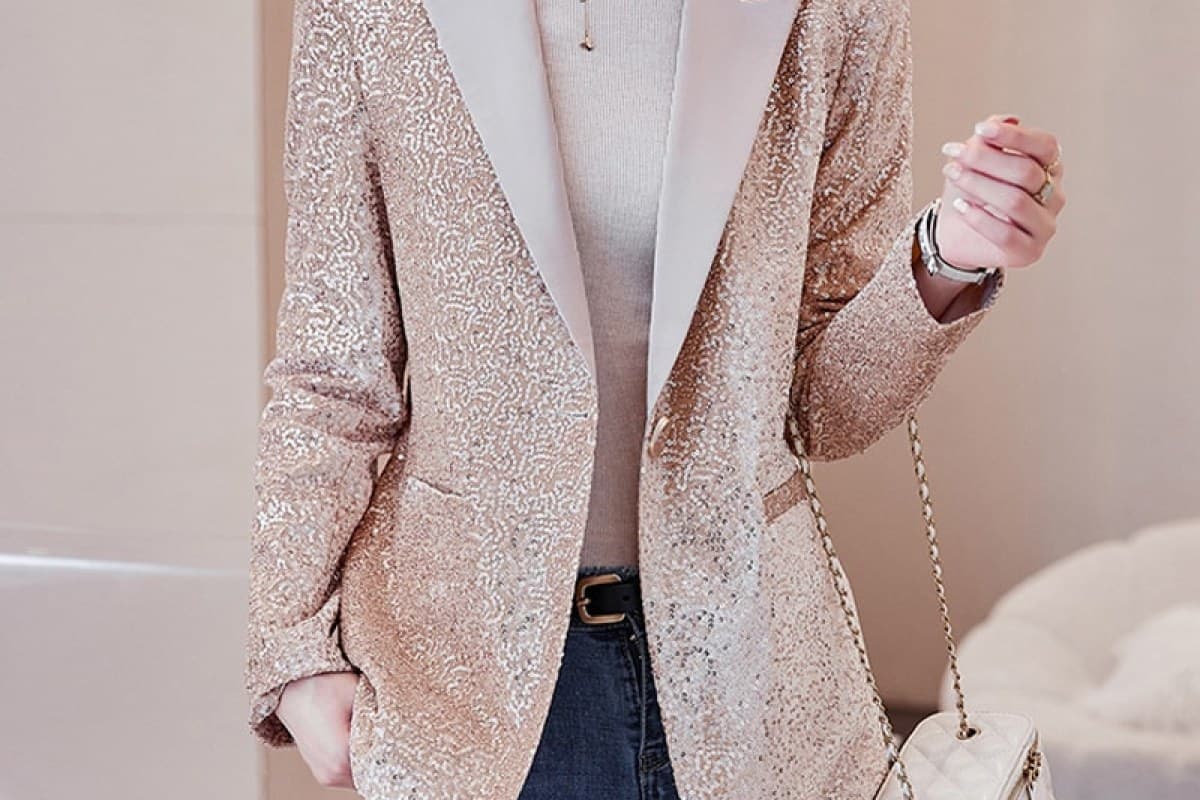
The easiest work from home outfits for women follow one idea: dress the part of you that the camera sees, and keep the rest genuinely comfortable. A soft blazer or structured knit above the desk, a stretch waistband below it, and fabrics that do not crush or cling means you can go from a video meeting to the kitchen to a surprise doorbell without changing. This guide covers what reads well on camera, the fabrics that keep you comfortable at a desk, five ready-made outfit formulas and the small details, such as jewellery noise and lighting, that people forget.
On a video call people see roughly from the chest up, so the collar, neckline, shoulders and colour near your face do most of the work. That is where your money and attention should go. Trousers and shoes matter for your own comfort and mood, but no one on the call will notice them unless you stand up.
A practical rule is to keep one item with structure in the frame. A blazer, a crisp collar or a firm knit polo gives your shoulders a shape, which reads as professional even when the rest of the outfit is easy.
Test once: take a photo or record a short call with yourself in the outfit and look at it before a big meeting. Camera colour, lighting and your monitor all change the result.
Sitting for hours creases fabrics and tests waistbands, so choose materials that recover.
Check fabric composition on each product page before buying. A little elastane in trousers or a blazer makes a big difference to comfort.
A fine knit or shirt, an unstructured blazer and soft, wide-leg trousers with an elastic back waist. The women’s blazer collection is a good place to look for a jacket you can keep on your chair for calls.
A soft knit dress or a long cardigan over a tee, with tapered trousers. Nothing here restricts, and you look composed if a colleague joins a call unexpectedly.
A tucked shirt, a structured blazer and tailored trousers that look sharp on video and are comfortable enough to wear for the whole afternoon. You will feel the difference in your posture.
A merino-style or wool-blend crew knit, a scarf you can leave on, and thick socks. If the heating is low, layering thin pieces is warmer than one heavy piece.
Leave the house for an errand and return for a call: a good pair of dark straight jeans, a tee and a blazer you take off and on. It looks intentional on the street and on screen.
You do not have to, but many people find that changing out of sleepwear marks the start of the workday and makes the day feel structured. That is a personal habit rather than a rule. A simple version: choose the outfit the night before, so the morning does not need a decision. If you are working in a very casual environment, a clean tee and a soft blazer over the back of the chair is more than enough.
You need less than you think. Five to seven pieces cover a full working week: two or three tops, two comfortable bottoms, a blazer and a knit layer. If you are rebuilding, our ten-piece minimalist wardrobe shows how few items you need. For in-person days, see the office blazer outfits. When the seasons change, the transitional outfit ideas help you adapt what you own. And if you want your leggings to look less gym and more chic, read the leggings outfit guide.
You can create a whole working week from a very small set: a cream shirt, a grey fine knit, a navy tee, one soft blazer, wide-leg ponte trousers and dark straight jeans. Monday, wear the shirt with the trousers and the blazer. Tuesday, switch to the knit with the jeans. Wednesday, the tee under the blazer with the trousers. Thursday, the shirt open over the tee with the jeans. Friday, the knit with the trousers and a scarf. Nothing repeats exactly, and almost everything can be put together in five minutes.
Keep a blazer on the back of your chair. If a colleague or client asks for a last-minute call, you can put it on in seconds and look polished, even if underneath you are wearing a plain tee. It also works when someone unexpected arrives at the door.
Mid-tone, solid colours such as teal, blue, green, burgundy and warm neutrals tend to look good on most webcams. Test in your own lighting.
Only you know what shows on the call. If you never stand up, no one will see. But it is better to wear comfortable trousers that could pass in public, such as ponte or stretch-crepe pants, so you are prepared if you need to.
Two or three tops and two bottoms rotate to give you a week of varied looks. The blazer does the work of changing the whole outfit.
Wear whatever supports you. Flat, cushioned shoes or supportive slippers are better for your feet than going barefoot on hard floors all day.
Build your home-office edit from the ADDMPS women’s collection, starting with one comfortable blazer.
Edited by the ADDMPS Style Team.
Shop an outfit around one piece with ADDMPS: choose star or backdrop, set your colours, match formality, then finish with shoes and one smart accessory.

Steam or dry clean your blazer? ADDMPS explains when each is right, how to steam at home step by step, and which fabrics need extra caution before you start.