
Build an Outfit Around One Piece: 5 Simple Steps
Shop an outfit around one piece with ADDMPS: choose star or backdrop, set your colours, match formality, then finish with shoes and one smart accessory.
Ten pieces, over 40 outfit combinations: a named list for a minimalist women’s wardrobe with what to check on each item and sample looks. Build yours at ADDMPS.
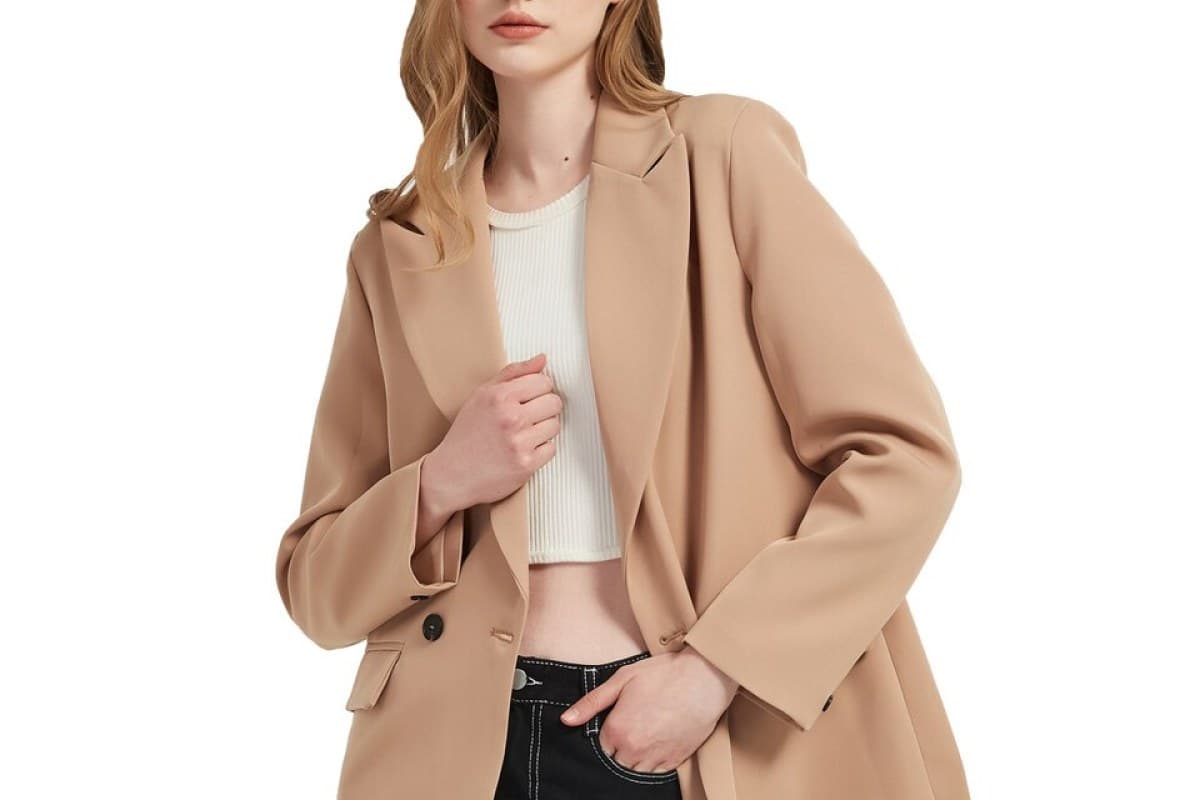
A minimalist wardrobe for women built on ten pieces sounds like a stunt, but it works if the ten are chosen to interlock. The list below is one blazer, one white shirt, one tee, one fine knit, one pair of dark jeans, one pair of tailored trousers, one simple dress, one coat and two pairs of shoes. Those ten items make at least 40 outfits on paper and, in practice, a couple of dozen you would actually wear. This guide names each piece, explains what to look for, and shows the outfit maths so you can adapt the list to your own life.
Ten is the constraint, not the goal. For it to function, each piece needs to pass three tests.
Underwear, sleepwear, activewear and accessories are outside the count. That is not cheating, it is how real life works, and the rule is only meaningful if it covers the clothes you actually build outfits from.
Choose navy, black or a mid-grey in a single-breasted, two-button cut that ends around the hip. It turns jeans into an outfit and a dress into office wear. Check the shoulder seam sits on the edge of your shoulder and the sleeves end at the wrist bone. The women’s blazer collection has a range of cuts, and our blazer fit guide helps you pick.
Poplin or a cotton blend with enough opacity that a nude bra does not show through. Look for a collar that stands up when the top button is open and a hem that is long enough to tuck.
Mid-weight cotton or cotton blend in white or grey, with a crew neck that sits flat. Thin tees go see-through and lose their shape after washing, so hold the fabric to the light in the shop or check the product description for weight.
A crew or V-neck sweater in a neutral. Fine knits layer under a blazer and over a shirt, which a chunky sweater cannot do. Look for a tight, even stitch and a ribbed hem that does not flare.
Dark indigo or black, a straight or slightly relaxed leg, a rise that sits at or above the hip bone. Dark denim without heavy fading dresses up with a blazer and down with a tee.
Black, charcoal or navy in a straight or gently wide leg with a hem that grazes the top of your shoe. This is the piece to get hemmed.
A knee to midi length, in a solid, mid-weight fabric with a shape that works alone or under a blazer. A wrap, shirt or a fit-and-flare style is more adaptable than a bodycon. Try the dresses collection and choose one that works for both work and dinner.
A trench in stone, or a wool-blend coat in camel or navy. It needs to fit over the blazer, so try it with the blazer on. If you live somewhere that gets cold, swap the trench for a warmer coat.
White or off-white, low-profile, no big logos. They are the weekend shoe and, with the right trousers, the modern commute shoe.
Black or dark brown, with a comfortable sole. This is your dressed-up shoe, and it should suit the trousers, jeans and dress equally.
Start with the base looks. You have three tops (shirt, tee, knit), two bottoms (jeans, trousers) and one dress, so 3 x 2 + 1 = 7 base outfits. Add a choice of two pairs of shoes and that becomes 14. Now the layers: wear nothing extra, add the blazer, or add the blazer plus coat. Three options across 14 base looks gives 42. Some combinations are silly, such as a tee with the trench in summer, so the real number is lower, but it comfortably clears twenty. That does not count the shirt worn open over the tee or the knit layered over the shirt, which increase the variety.
For a wider framework, read the women’s capsule wardrobe essentials. If the aim is packing, see the travel capsule wardrobe, and for a checklist of what to check when shopping, see the must-have clothing items guide.
Divide the ten by how often you will wear them. The pieces worn most, such as trousers, jeans and shoes, deserve the biggest share of your budget because the cost per wear falls fast. Pieces you wear less, such as the dress, can be simpler. Buy in the order you would wear them: trousers, blazer and shirt first, then the knit and tee, then outerwear. Wear each purchase for a few weeks before you decide the next, so the list reflects your actual life rather than a photograph.
For one season, yes. Across a year with four distinct seasons, most people keep a core of ten and add a small seasonal rotation of a few items, such as a heavier coat or sandals.
In this plan they do, because they finish the outfit. Underwear, sleepwear, gym clothes and jewellery do not.
Change the details instead of the base: roll the sleeves, add a belt, alternate the layers. The minimalist approach favors changing texture and proportion over adding items.
Buy the item you would be most likely to wear tomorrow, usually well-fitting trousers or a blazer. It should work with what you already own.
Want to start with the blazer? Browse the ADDMPS women’s collection and check fabric details on each product page.
Edited by the ADDMPS Style Team.
Shop an outfit around one piece with ADDMPS: choose star or backdrop, set your colours, match formality, then finish with shoes and one smart accessory.

Steam or dry clean your blazer? ADDMPS explains when each is right, how to steam at home step by step, and which fabrics need extra caution before you start.