
Build an Outfit Around One Piece: 5 Simple Steps
Shop an outfit around one piece with ADDMPS: choose star or backdrop, set your colours, match formality, then finish with shoes and one smart accessory.
Dress for mornings that start cold and afternoons that warm up. ADDMPS explains the three-layer system, best fabrics and jackets, and seven outfits to rotate.
Spring and fall are hard to dress for because a single day can start at coat weather, reach shirt-sleeve warmth by lunchtime and cool off again by evening. The reliable answer is a three-layer system: a breathable base, a mid layer you can add or remove, and one light outer layer that suits both rain and wind. These spring fall outfits for women are built on that structure, so you can adapt to a twenty-degree swing without carrying a second bag of clothes.
The rule is that every layer should look finished without the layer above it. If your base looks unfinished without a cardigan, you will be stuck wearing the cardigan all afternoon. Our wider layering and outerwear guide goes deeper on sizing and sequencing.
Check the composition on the product page, and choose mid-weight over thick when you are unsure. A medium fabric can be worn with a base layer, and a thin one can be doubled up.
Water-resistant, wind-blocking and light. It works over dresses, jeans and office wear. A stone or navy trench is the safest color.
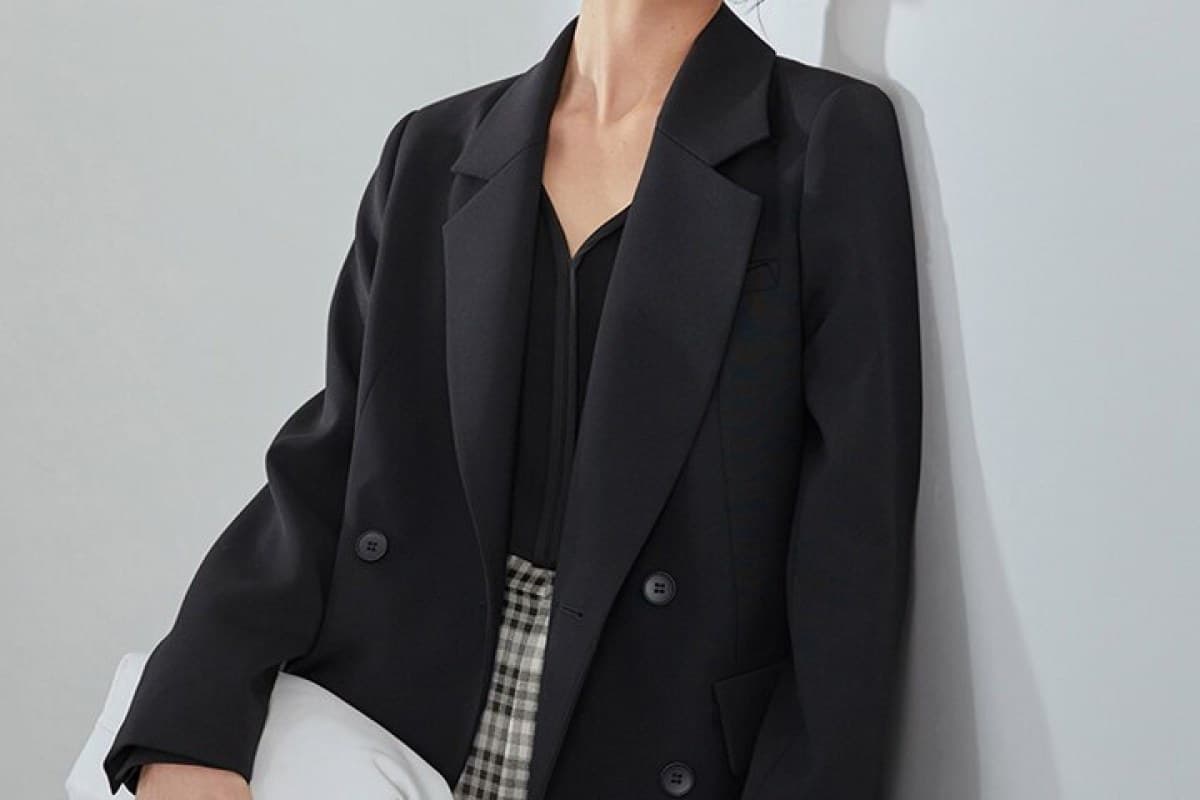
An unlined or lightly lined blazer counts as a mid layer in spring and an outer layer on warm fall days. Pair it with a shirt or fine knit and jeans or trousers. See our guide to types of women’s jackets for how it compares with other styles.
Less formal but reliable for weekends. A utility jacket with large pockets is practical if you like to carry things.
A slouchy, drapey layer that can be taken off and wrapped around the waist or shoulders or stuffed into a bag.
The clothes can be the same, but the colors and the layering shift with the season. In spring, use lighter neutrals such as cream, stone, light grey, pale denim and soft pastels, wear bare ankles or low sneakers, and keep scarves thin and lightweight. In fall, deepen the palette to camel, olive, rust, chocolate, burgundy and navy, add socks or tights and closed shoes, and layer scarves and heavier knits. If you stay in the same core pieces, a small shift in color and texture is enough to make your wardrobe feel seasonally right. For a broader look at how seasons change styling, see our seasonal styling guide.
Everyone’s comfort level differs, so treat these as starting points and adjust to how you usually feel. Around 10 to 15 degrees Celsius (roughly 50 to 59 Fahrenheit), a base layer, a knit and a light coat or trench is usually comfortable, especially with wind. Between 15 and 20 degrees (about 59 to 68 Fahrenheit), a base layer and a blazer or denim jacket is often enough, with a scarf in your bag. Above 20 degrees (68 Fahrenheit), a single layer with a light cardigan in reserve suits most people. Check the wind and the chance of rain as well as the temperature, because a windy 15 degrees feels colder than a still one, and add an umbrella or a water-resistant outer layer when rain is likely.
The safest shoe is one that copes with a cool morning, a warm afternoon and a possible shower. Leather loafers, ankle boots with a rubber sole, clean leather sneakers and ballet flats in a durable material are all sensible. Avoid suede in wet weather unless it is protected, and skip open sandals on days that start cold. When you cannot decide, wear closed shoes and thin socks.
A scarf is the most useful accessory because it adjusts warmth without another garment. Choose cotton, lightweight wool or a modal blend in spring, and swap to wool or cashmere blends in fall. A roomy tote gives space to stow a layer. Sunglasses cover you in bright weather, and a compact umbrella prevents you from wearing a heavy waterproof on a day that turns out dry. For jewelry, small hoops and simple chains suit both seasons.
Three bottoms, four tops, one mid layer, one outer layer and two pairs of shoes can be combined into more than a week of outfits. Roll knits, fold the trench flat and wear the heaviest shoes on the plane. Pick a limited color palette so that every layer works with every other one.
Use the three-layer system with a breathable base, a removable mid layer and a light outer layer. That lets you add or remove pieces without changing the whole outfit.
A trench or a lightweight blazer is best for polished outfits, and a denim or utility jacket suits casual ones. Choose a neutral color so it will match most of your wardrobe.
Yes, with sensible layering. A midi dress with a cardigan, tights or boots, and a jacket works well for cool days. Fabrics such as cotton, ponte and light wool blends are more comfortable than very thin ones.
Choose breathable fabrics for the base and mid layers and make sure the outer layer can be removed easily. Layers should be thin rather than thick, and having several thin ones gives you more control than one heavy one.
Start with a versatile piece from the ADDMPS women’s blazers or look through jackets to complete your transitional wardrobe.
Edited by the ADDMPS Style Team.
Shop an outfit around one piece with ADDMPS: choose star or backdrop, set your colours, match formality, then finish with shoes and one smart accessory.

Steam or dry clean your blazer? ADDMPS explains when each is right, how to steam at home step by step, and which fabrics need extra caution before you start.