
Build an Outfit Around One Piece: 5 Simple Steps
Shop an outfit around one piece with ADDMPS: choose star or backdrop, set your colours, match formality, then finish with shoes and one smart accessory.
How an athletic build suit should fit: shoulders first, then drop, waist suppression, side vents and trouser room, plus what to alter or skip. By ADDMPS.
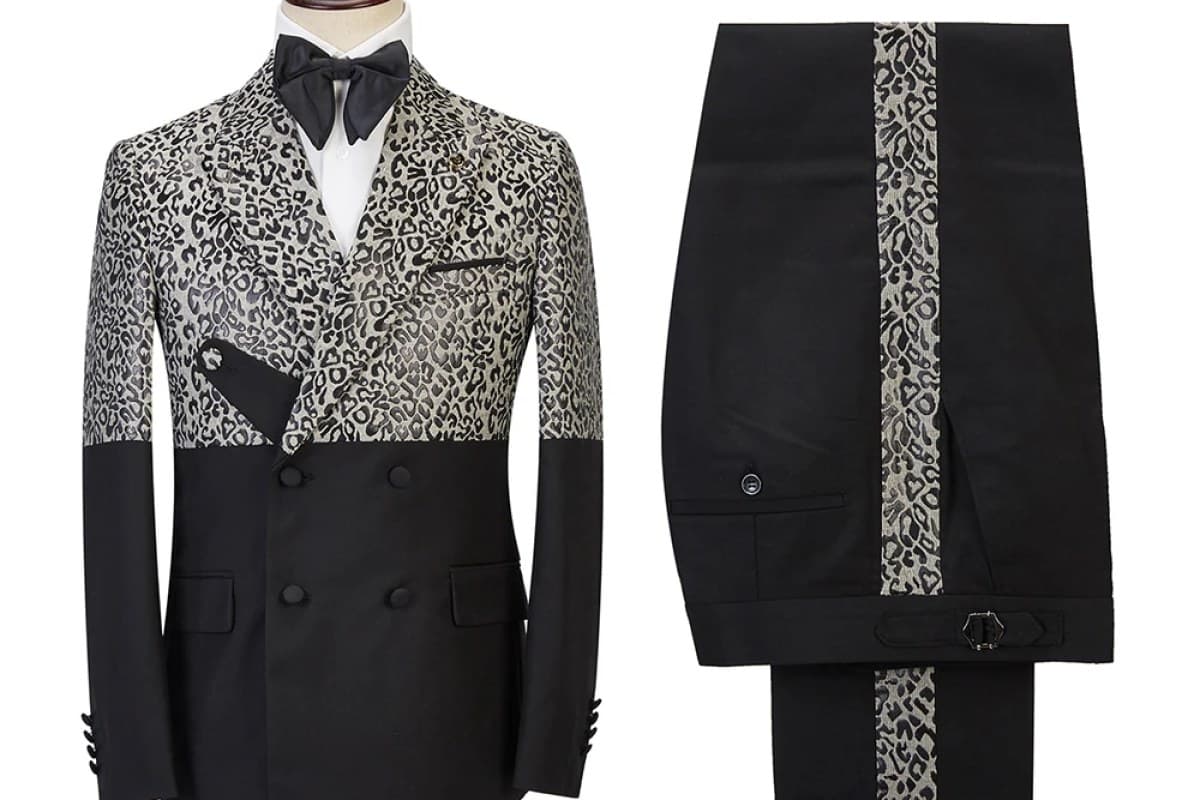
The athletic build suit fit problem is always the same: you buy a jacket that fits your chest and shoulders, and the waist balloons; or you buy one that fits your waist and the shoulders pull. Broad chest, wide shoulders, a narrow waist and strong thighs and glutes do not match standard suit proportions, which assume a smaller difference between chest and waist. The solution is to buy the jacket for your shoulders and chest, choose a cut with the right drop, have the waist suppressed, and treat the trousers as a separate fitting. This guide explains each step and which problems to alter versus walk away from.
Off-the-rack suits are generally cut with a “drop” of about 6 inches in the US, meaning the trouser waist is six inches smaller than the jacket chest size. A 40R jacket comes with a 34-inch trouser waist. An athletic build often has a bigger difference, 7 or 8 inches or more, and a bigger seat and thigh at the same time. The result is a jacket with excess fabric at the waist and trousers that are tight in the thigh and seat but loose at the waist.
Two other issues stack on top. Shoulders and upper back are broad, so jackets pull across the back or wrinkle at the armhole. Muscular arms need roomier sleeves, but excess sleeve fabric spoils the line. Each problem has a specific fix, described below.
Shoulders are the part of a jacket that a tailor cannot reasonably change. Choose the size that lets the shoulder seam end at the edge of your shoulder bone, with the sleeve head lying smooth and no dimples or divots at the top of the arm. If the shoulder pinches or the fabric bunches at the neck, that size is wrong for you, and no waist adjustment will help.
Drop is the difference in inches between jacket chest size and trouser waist size in a suit. For example, a 40 jacket with a 34 waist has a 6-inch drop. Athletic-cut suits are typically made with a larger drop, commonly 7 or 8 inches, so a 40 jacket might come with a 32 or 33 waist. Not every brand offers athletic cuts, and definitions vary.
Check the product description or size chart for “athletic fit”, “modern fit” or “drop” and compare the stated waist and chest measurements. If you have a very large drop, look at buying the jacket and trousers as separates. It is common for athletic men to buy two sizes and have them matched, because the trousers can be altered more easily than the jacket.
Once the shoulders fit, the jacket body is the next problem. If it drapes loosely around the waist, a tailor can fix it in one of two ways:
Do not expect to remove more than a couple of inches at the waist without distorting the pockets, the front balance or the lapels. A jacket that needs four inches removed is the wrong jacket.
Front darts (the vertical seams that run from the chest pocket down to the hem) also give suppression. Jackets with a clean, structured cut and front darts will suit an athletic build better than a boxy, unstructured cut. Fusible, light-canvas or half-canvas construction all work, though a half-canvas jacket usually drapes and moulds better over a muscular chest. Our alterations guide details what each fix typically involves.
A single centre vent at the back of the jacket can gape open across a prominent seat, showing the trousers and creating a flared look. Double side vents, positioned at the sides, let the jacket fall more naturally over the seat and open less. If you have strong glutes and thighs, look for side vents. A ventless jacket is the sleekest option but restricts movement when you sit or reach for a pocket, so it is best avoided if you have a large seat.
Athletic thighs and glutes demand a different trouser cut:
For everyday wear, drop the trousers to a modest break and taper below the knee to a clean opening so the muscular thigh reads as proportion rather than bulk.
A small percentage of elastane or a stretch weave in the wool improves comfort across the shoulders and thighs, and helps the jacket recover after you move. It does not replace correct fit, because stretch that is masking a poor size will bag and wear out at stress points. Look for high-quality stretch wool or a two-way stretch cloth for extra movement, and check the composition on the product page. If you want deeper background on suiting cloths, read our men’s fabric guide.
It is usually better to buy the trouser size that fits your thighs and seat and have the waist taken in. Sizing up the jacket to fit the trousers brings loose shoulders. This is why a suit sold as a set may not suit you, and separates may be a better option.
Not always. A slim fit is narrow through the chest and thigh, which can strain on a muscular frame. An athletic or modern fit with a taper is usually a better start.
A small amount, often between 2 and 5 percent elastane in the cloth, is common in suiting for comfort. Above that, cloth can look shiny and lose its shape. Check the label for exact figures.
Choose a jacket that covers the seat fully, since a shorter jacket draws attention to it. The jacket fit checklist gives a sixty-second test for length and balance.
Explore our men’s suits and compare the chest, waist and drop information on each product page before choosing.
Edited by the ADDMPS Style Team.
Shop an outfit around one piece with ADDMPS: choose star or backdrop, set your colours, match formality, then finish with shoes and one smart accessory.

Steam or dry clean your blazer? ADDMPS explains when each is right, how to steam at home step by step, and which fabrics need extra caution before you start.