
Build an Outfit Around One Piece: 5 Simple Steps
Shop an outfit around one piece with ADDMPS: choose star or backdrop, set your colours, match formality, then finish with shoes and one smart accessory.
Plan your groom suit with a month-by-month timeline: when to order, how many fittings to book, what to check and how to avoid last-minute problems. ADDMPS.
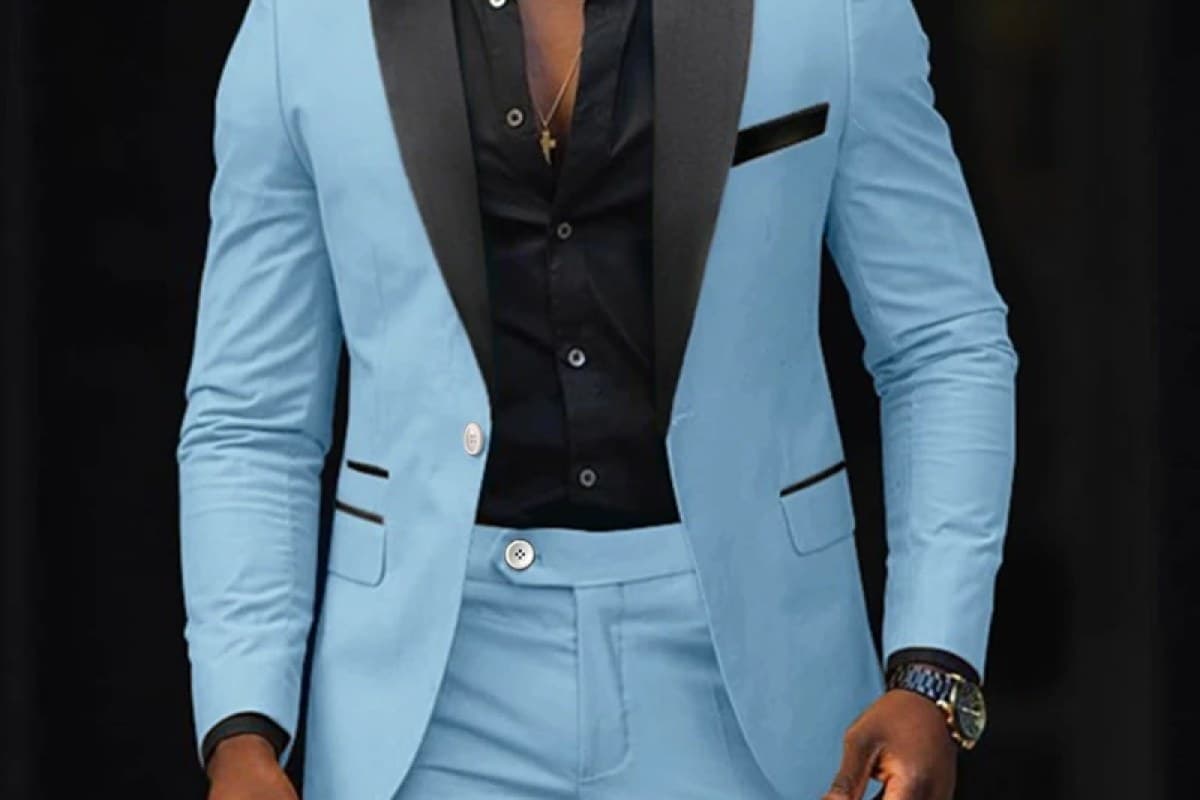
If you are wondering when to start on a groom’s suit, the short answer is six to nine months before the wedding to decide the style, and no later than three to four months before to order it. Fittings then run in stages: a first fitting once the suit arrives, a second after alterations, and a final check in the last two to three weeks. Build in a buffer of at least a couple of weeks for surprises, because a suit that arrives late or needs rework is the most avoidable stress on the day.
This guide gives you a month-by-month timeline, explains buying versus renting versus made-to-measure, covers each fitting in detail, and shows you what to do in the final week. Lead times vary by maker, so treat the numbers as planning ranges and confirm them in writing when you order.
Settle three questions first: the wedding’s dress code, the season and the venue. A black-tie evening needs a tuxedo or dinner suit, a summer beach wedding suits a light linen or a lightweight wool, and a winter ceremony suits a mid- or heavyweight cloth in a deeper colour. Talk to your partner about colours and the wedding party’s outfits so they work together. If you plan to wear your suit again after the wedding, choose a classic navy or charcoal. If you want a statement suit in a colour you will not wear again, accept that and think of it as a one-day garment.
Decide whether to buy off the rack, use made-to-measure, or rent, and place the order. Off-the-rack suits can be bought and tailored quickly, but the best selection is earlier. Made-to-measure often takes several weeks to a couple of months to arrive, and bespoke longer, so ask for the delivery date in writing. Rentals are usually reserved a few months ahead, with measurements taken closer to the date.
When the suit arrives, try it on with the shoes and shirt you plan to wear, and have the tailor mark every adjustment in one session. This is your most important appointment, because it leaves time for the tailor to redo a mistake.
Try the altered suit. Check that every change was carried out correctly, walk, sit, raise your arms, and pick up something from the floor. Small tweaks can still be done now.
Wear the complete outfit: shirt, tie or bow tie, belt or braces, shoes and socks, and any pocket square, watch or cufflinks. Ask a friend to photograph you from the front, side and back, and look at the pictures with a critical eye. If your weight has changed since your first fitting, correct it now, because there is still time.
Collect the suit, hang it in a breathable garment bag, and steam out any creases. Lay out every accessory and check that nothing is missing. Have a spare white shirt, a spare pair of cufflinks or studs, and a small sewing kit ready.
For help with the broader buying decision, read our complete guide to men’s suits.
Try a full run-through with the accessories: shirt cuffs should show correctly, the tie should reach the belt, and the waistcoat, if you have one, should not ride up. Movement tests matter more than standing in front of a mirror: hug someone, raise your arms for a photograph and sit for an hour if you can.
Many grooms change their body shape before the big day, whether from exercise or from stress. Schedule your first fitting once you are close to your expected size, tell the tailor about your plans, and book the final fitting late enough to catch changes. Waists can generally be taken in by a moderate amount, and let out only by whatever spare fabric the seams contain. If you expect a big change, wait a little before ordering, or choose a size that is adjustable.
Match cloth to climate, and consider how long you will stand outdoors. A mid-weight wool works in most seasons, and lighter cloths help in heat. If the wedding is in summer, our guide to summer wedding attire for men offers cooler options. Colours like navy, charcoal and mid-grey photograph well, and lighter shades such as stone or sand suit daytime, outdoor weddings.
Ordering a suit online is possible, but leave plenty of time to try it on, adjust it and, if needed, exchange it. Eligible unworn items with tags can be returned within 30 days of delivery, but a suit that has been altered can no longer be treated as unworn. Check delivery and return details on the shipping and returns page, and order early enough that you can decide on fit before booking a tailor.
Aim to order three to four months before the wedding for an off-the-rack or made-to-measure suit, and earlier for bespoke. That leaves enough time for alterations and at least one extra fitting.
Two to three is standard: an initial fitting when the suit arrives, a check after alterations and a final fitting close to the date. Made-to-measure and bespoke often add more.
Yes, if it fits well and suits the dress code. Have it cleaned, pressed and checked by a tailor early, since old suits may need small repairs.
Give them your deadline at least a few months ahead, and ask them to be measured or fitted several weeks before the date. Late measurements are the main cause of rushed rentals and last-minute problems.
For suits to start from, browse dress suits at ADDMPS, and check the product page for details before ordering.
Edited by the ADDMPS Style Team.
Shop an outfit around one piece with ADDMPS: choose star or backdrop, set your colours, match formality, then finish with shoes and one smart accessory.

Steam or dry clean your blazer? ADDMPS explains when each is right, how to steam at home step by step, and which fabrics need extra caution before you start.