
Build an Outfit Around One Piece: 5 Simple Steps
Shop an outfit around one piece with ADDMPS: choose star or backdrop, set your colours, match formality, then finish with shoes and one smart accessory.
Use a seven-point checklist and a 60-second mirror test to judge suit jacket fit, and learn what a tailor can fix and what to walk away from. See ADDMPS suits.
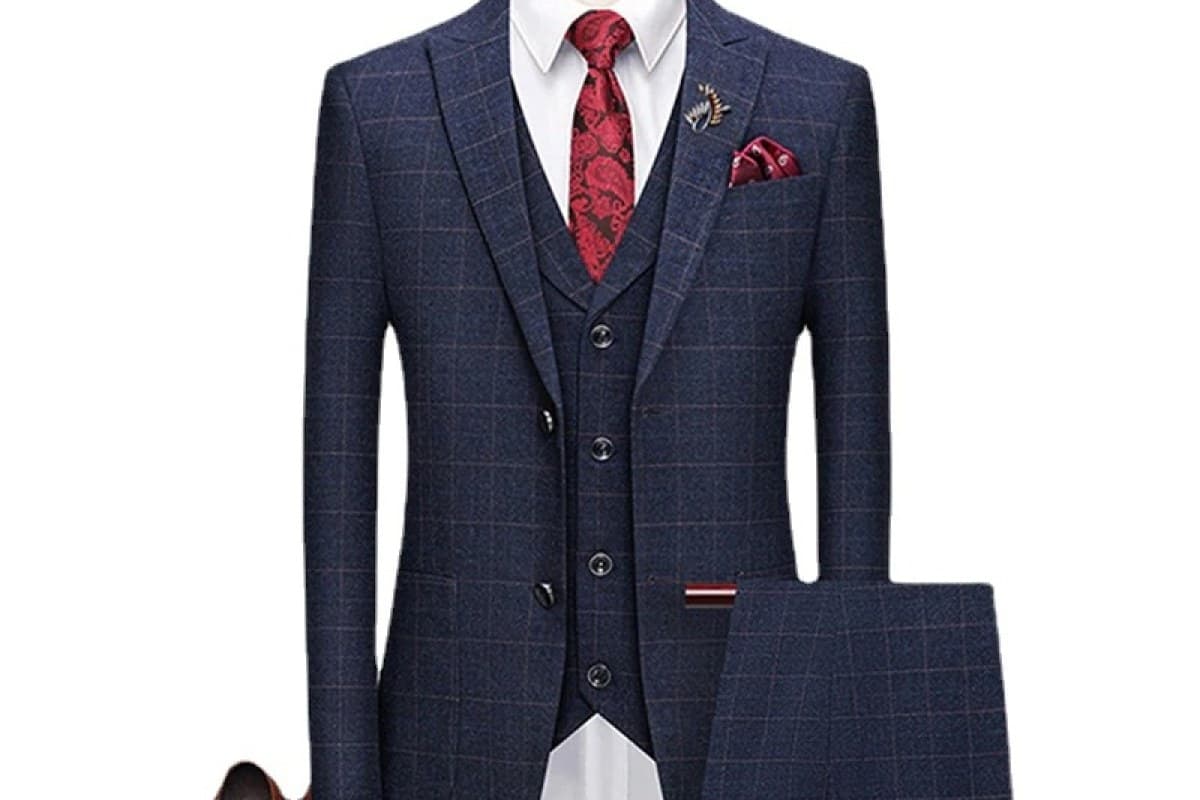
A suit jacket fits when the shoulder seam ends at the point of your shoulder, the collar lies flat against your neck, the front closes without pulling into an X, and the sleeves stop at your wrist bone with a sliver of shirt cuff showing. If those four points are right, the rest is usually easy to correct. This guide gives you a seven-point checklist, a 60-second mirror test you can run in any fitting room, and a clear view of which flaws a tailor can fix and which mean you should walk away.
Wear a properly fitted dress shirt and the shoes you would normally wear with the suit, and empty your jacket pockets. Then run through this order:
If all six pass, the jacket is a candidate. If the shoulders fail, put it back.
This is the one measurement that cannot be economically changed. The seam should end at the outer edge of your shoulder bone. If it hangs off the edge, the jacket is too big; if it stops short and the padding digs in, it is too small. Look for a smooth line without ripples running from the collar to the sleeve.
When buttoned, the lapels should lie flat against your chest without gaping, and the fabric around the button should be smooth. Horizontal pulls mean the chest is too small; loose, floppy lapels that bow outward mean too much room.
The jacket collar should hug the shirt collar all the way around. A gap at the back, where the jacket stands away from your neck, is a common fault and suggests the jacket does not match your posture or neck angle. About half an inch of shirt collar should show above the jacket collar.
The sleeve should end where your wrist meets your hand, letting a quarter to half an inch of shirt cuff show. The sleeve should hang straight without twisting; twisted sleeves usually mean the sleeve pitch is wrong for your arm. Shortening from the cuff is a routine alteration, as long as the sleeve has enough fabric left and the cuff buttons can be moved.
A common rule is that the hem should cover your seat. Another quick test: let your arms hang, curl your fingers, and the hem should touch about the knuckles. The ideal length varies by height and leg length. Very short men usually do better with a slightly shorter jacket, and taller men with a slightly longer one. See our guides for shorter men and taller men.
The jacket should follow your torso lightly. A gentle suppression at the waist makes you look shaped, but a tight waist causes pulls and wrinkles. The back should sit smoothly, with the vent or vents closed. Vents that flare open like wings mean the jacket is too tight across the seat.
The top button on a two-button jacket should sit roughly at your natural waist, near your navel. If the stance is too low, you look short-legged and long-bodied; too high and the jacket looks cropped. The stance depends on the cut of the jacket, so try more than one style if it never feels right.
Alterations vary by suit construction and the amount of fabric left in the seams, but as a general pattern:
Buy the jacket that fits in the shoulders and chest, then alter the rest. Our page on which suit alterations are worth paying for explains what to prioritise.
These checkpoints describe a standard fit, and a few of them shift with body shape. A broad chest with a narrow waist means a jacket that fits the chest will billow at the waist, so budget for waist suppression at the tailor. A rounded upper back or a forward-set head is the usual cause of a collar gap, and it may be worth trying a different brand’s cut rather than forcing an alteration. If you carry weight at the middle, a slightly longer jacket with a single button fastened, and a little more room through the waist, is more flattering than a cropped, tight one.
Also consider what you wear underneath. A thick knit or a bulky shirt changes how the jacket sits, so try suits with the layers you will actually wear. Heights at either extreme have their own proportion rules, covered in the shorter-man and taller-man guides linked earlier.
Neither. It should skim your body: close enough that the lines are clean, loose enough that you can move and that the closed jacket does not pull. A useful test is that a flat hand slides under the closed front, while a fist would find it uncomfortably tight.
Around a quarter to half an inch. It frames the hand and protects the jacket lining from rubbing on skin. If your watch sits on the cuff, make sure the jacket sleeve allows for it.
No. On a two-button jacket, fasten only the top button. On a three-button jacket, fasten the middle button, and optionally the top. The bottom button is left undone on every standard single-breasted jacket.
Rarely, and never cheaply. Altering a shoulder means opening the sleeve head and reshaping the canvas and padding, which most tailors advise against. It is better to buy a smaller size or a different cut.
When you are ready to try one on, browse the men’s dress suits at ADDMPS and pick your size from the shoulders and chest measurements. Our complete guide to men’s suits puts fit in the wider context of fabric and occasion.
Edited by the ADDMPS Style Team.
Shop an outfit around one piece with ADDMPS: choose star or backdrop, set your colours, match formality, then finish with shoes and one smart accessory.

Steam or dry clean your blazer? ADDMPS explains when each is right, how to steam at home step by step, and which fabrics need extra caution before you start.