
Build an Outfit Around One Piece: 5 Simple Steps
Shop an outfit around one piece with ADDMPS: choose star or backdrop, set your colours, match formality, then finish with shoes and one smart accessory.
How to wear a watch with a suit: case thickness under the cuff, sensible diameter, strap and shoe matching and metal rules. ADDMPS covers every formal setting.
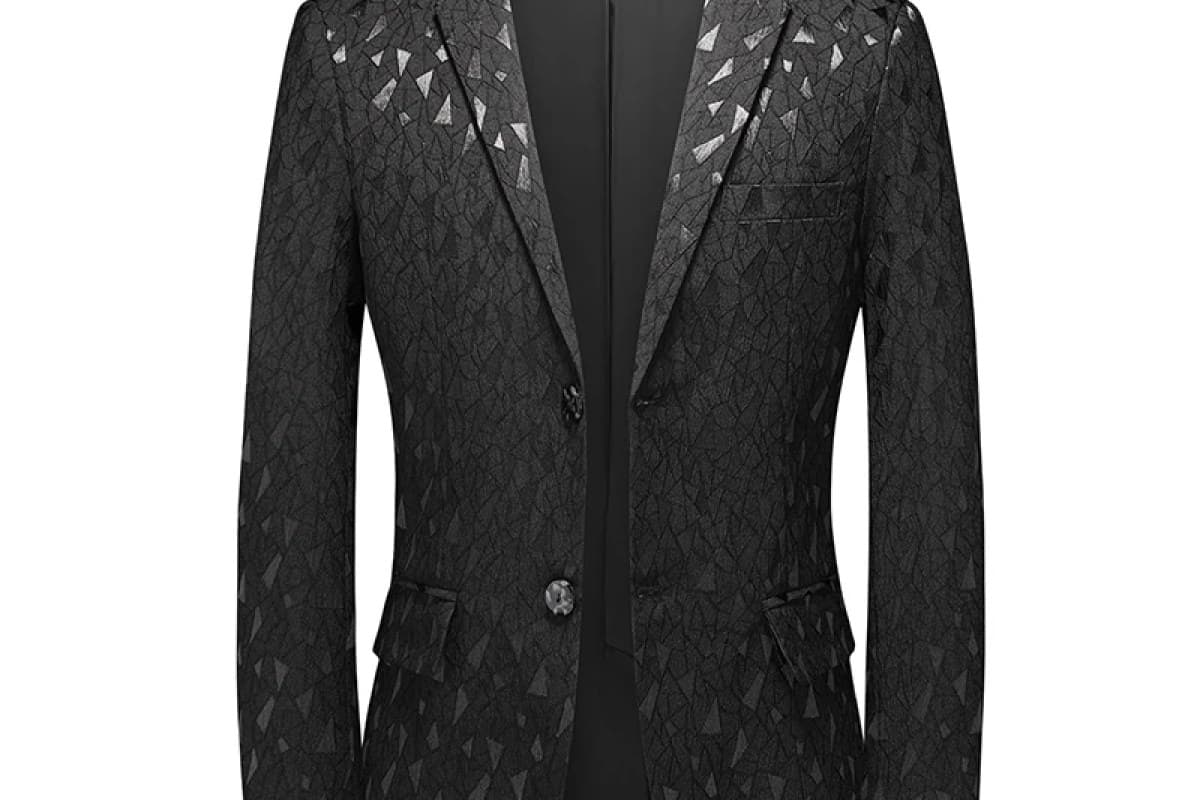
The rules for a watch with a suit are shorter than most people expect: keep the case slim enough to slip under your shirt cuff, keep the diameter modest, match the strap to your shoes and belt, and let the metal echo the other metal you are wearing. Get those four things right and almost any clean, simple watch looks intentional. Get them wrong and even an expensive watch looks like an afterthought. Below is the detail behind each rule, plus what to do at weddings, interviews and black-tie events.
A dress shirt cuff is a snug tube of fabric. When it meets a tall case, the cuff either rides up over the watch and stays there, or it gets trapped behind it. For a tailored shirt, aim for a case under roughly 10 to 11mm thick. Under 9mm is easy; over 12mm becomes a fight every time you reach for a door handle.
A quick test at home: put on the shirt, button the cuff to the position you normally wear, and slide the watch hand through. If it snags, the watch is too thick for that shirt. Some men solve this by wearing the watch a little higher on the forearm, and some by choosing a shirt with a slightly roomier cuff, but the cleanest solution is a slimmer watch. Cuff width matters here too, so a slightly generous cuff helps.
With a suit, the sweet spot for a men’s watch is roughly 34 to 40mm. Go up to about 41mm if your wrist is large. Bigger watches look heavy against the narrow cuff of a jacket sleeve, and they compete with the tailored line of the outfit. Diameter is not the only number: a compact lug-to-lug matters too, because long lugs push the watch over the sides of the wrist. Our guide to watch size and wrist measurement shows how to check.
Your shoes and belt are the leather accessories a strap has to get along with. The simple version:
Matching does not mean identical. A dark brown strap and slightly lighter brown shoes still read as coordinated; a black strap with brown shoes reads as a clash, and a brown strap with black shoes is a similar mistake. Strap texture matters as much as colour: a shiny patent-like strap looks dressy, while a matte, lightly grained strap works with almost everything.
Look at the metal already on your outfit: belt buckle, cufflinks, tie bar, ring, glasses frames. Aim for the watch case to belong to the same family as most of them. A steel or silver-toned case pairs with silver-toned buckles and cufflinks. A gold-toned case pairs with gold-toned buckles. It is fine to mix, and plenty of men do, but make it look deliberate by repeating each metal at least twice, as in a silver watch and silver buckle plus a gold wedding band and gold tie clip. A single gold ring alongside an otherwise silver outfit is normally overlooked. Our post on matching your tie accessories and watch metal goes deeper on this.
A round or squared case with a plain white, silver, black or navy dial, thin hands and a leather strap is the traditional answer. It looks appropriate at the office, at weddings and at formal dinners.
Bracelet watches are acceptable with suits if the bracelet is refined: a fine, tapered bracelet with a brushed finish. Heavy, polished bracelets with wide links can look casual. See our article on metal bracelet watches for formal and casual wear for how to choose.
Divers and multi-dial chronographs with rubber straps can work with a relaxed, unstructured blazer. With a formal business suit, the mismatch is visible. If you only own one watch and it is a sport model, swap in a leather strap to move it toward dressier territory.
Digital watches read casual. They are perfectly fine with a relaxed blazer and jeans, but they do not belong with a formal suit.
Wear a slim, clean watch and nothing that flashes or beeps. The watch should be checked by glancing quietly, not lifted to your eye. If your watch has audible alarms or hourly chimes, switch them off.
As a guest, wear a simple dress or dressy casual watch. As a groom or groomsman, coordinate the metal with your cufflinks and any pins.
The tradition is a slim, plain watch on a black strap or no watch at all. Avoid anything with a bracelet, luminous markings or a rotating bezel. If you wear one, match its metal to your studs and cufflinks.
Choose a watch that survives a security tray and an overnight flight, and swap the time zone when you land. A quartz watch with a leather strap is a low-worry choice.
Most people wear it on the non-dominant wrist so the watch stays clear of writing and tools, but there is no dress-code rule about it. Choose the wrist where it feels comfortable and where the cuff fits properly.
In relaxed offices, yes, particularly with a leather or mesh strap. For weddings, interviews and formal events, a traditional watch looks more polished.
Yes. Gold-toned watches work well on navy, especially with brown shoes and a matching belt buckle. Keep the dial clean and the case slim for the most refined result.
Not exactly, but they should not fight. If the tie clip is silver and the watch is gold-toned, add a second item in either metal to show you did it on purpose.
To build the outfit, browse men’s watches alongside a suit or dress suit, then check each product page for case size, colours and strap details. The wider guide to pairing watches with formal and casual outfits covers the rest of the wardrobe.
Edited by the ADDMPS Style Team.
Shop an outfit around one piece with ADDMPS: choose star or backdrop, set your colours, match formality, then finish with shoes and one smart accessory.

Steam or dry clean your blazer? ADDMPS explains when each is right, how to steam at home step by step, and which fabrics need extra caution before you start.