
Build an Outfit Around One Piece: 5 Simple Steps
Shop an outfit around one piece with ADDMPS: choose star or backdrop, set your colours, match formality, then finish with shoes and one smart accessory.
Understand men’s suit fabrics: worsted wool, cloth weights, Super numbers, weaves, cotton, linen and blends, and which to choose by season. An ADDMPS guide.
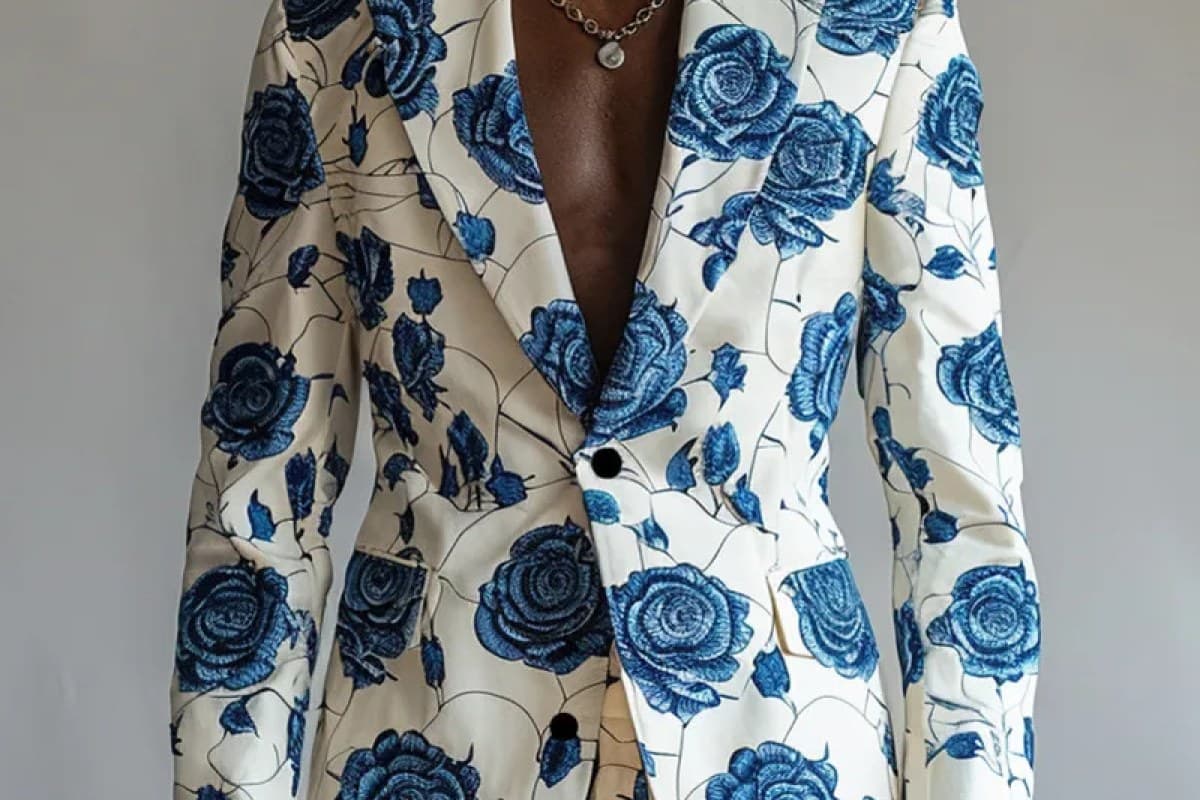
This men’s suit fabric guide gives you the short answer first: buy a mid-weight worsted wool in navy or grey as your first suit, because it handles four seasons, resists creasing and drapes well. Choose linen or cotton for hot weather when you accept more wrinkles, flannel or a heavier woollen cloth for cold months, and treat blends as a practical compromise when you need durability or a lower price. Everything else is a variation on those choices.
Below, we explain what worsted actually means, how to read cloth weights and the “Super” numbers, what each weave does, how cotton, linen and blends behave, and which fabric to pick by season and by use.
Worsted refers to how the wool yarn is made, not to a different animal. The fibres are combed so they all lie in the same direction, then spun tightly into a smooth, strong, fine yarn. Cloth woven from it has a clean, flat surface, holds a crease and keeps its shape, which is why it is the standard for business suits. Woollen cloth, by contrast, uses shorter fibres that are carded but not combed, giving a softer, fuzzier, more textured yarn. Tweed and flannel are typically woollen-spun, and they feel warmer and more rugged.
Wool also has properties that suit tailoring: it is naturally elastic, so wrinkles relax when the suit hangs; it absorbs some moisture without feeling wet; and it keeps you reasonably comfortable across a range of temperatures, depending on the weight.
Suiting cloth is described by weight, either in ounces per yard or in grams per metre of cloth (one ounce per yard is roughly 30 grams per metre), and mills quote it in slightly different ways, so treat the numbers below as approximate ranges. The weight affects drape, warmth and how quickly the cloth creases.
Also ask whether the suit is lined. A half-lined or unlined jacket in a light fabric is much cooler than a fully lined one, whatever the cloth weight.
The “Super” number describes how fine the wool fibres are: a higher number means thinner fibres. Finer fibres feel softer and have a smoother finish, but the cloth can also be more delicate and creases more easily. Many well-made everyday suits use Super 100s to 120s; numbers above 150 are luxury cloths that need careful wear and rest days. The number is not a measure of overall quality on its own, since the weave, yarn twist and weight matter as much. Also, two cloths with the same Super number can feel very different.
Cotton suits and jackets, often in twill, drill or seersucker, are cool, casual and easy to care for. They lack wool’s natural spring, so they wrinkle more and lose their crispness faster, and they suit smart-casual and warm-weather events rather than formal work. A cotton twill suit is a good second suit for warm months, since it is easy to dress down with a polo or tee.
Linen is the coolest option, made from flax, and it breathes very well and dries quickly. It also creases heavily, and that is part of its character rather than a flaw. Linen-blends, such as linen with wool, silk or cotton, wrinkle a little less. Our guide to styling and caring for a linen suit covers how to manage that.
A small proportion of silk adds sheen and softness to wool or linen. Pure silk suiting is delicate and rarely practical for daily wear.
Mohair, from the angora goat, gives cloth a crisp hand and a slight sheen, and blends with wool are popular for warm-weather and dressier suits. It holds its shape well and resists wrinkles, though it can look shiny in strong light.
Polyester blended with wool is durable, crease-resistant and typically more affordable. The trade-off is lower breathability and, in poorer blends, a shine that gives away the fibre. A modest percentage of polyester in a wool blend can improve durability; high percentages tend to feel warmer and less refined. Check the composition on the product page.
A small amount of elastane, often a few percent, adds comfort and movement, which is useful for travel and commuting. Too much can look shiny and make the suit feel less structured. Our guide to fabric labels explains how to read the percentages.
Choose a high-twist wool or a wool with a little stretch, since it releases creases and recovers quickly.
Buy two suits in mid-weight worsted and rotate them; one suit worn daily wears out quickly. Let each rest for a day, and brush the wool between wears.
A good navy mid-weight worsted or a seasonally appropriate fabric will do, and you do not need a very fine cloth that needs careful handling.
Choose lightweight, open-weave wool, linen or a linen blend, and consider an unlined or half-lined jacket.
Online, rely on the composition, weight (if given) and description on the product page, and check the fabric before ordering.
Wool needs less cleaning than people think. Hang the jacket on a wide shoulder hanger, brush it, let it air after wear, and dry clean only when necessary, as frequent cleaning wears the fibres. Steaming removes most wrinkles. For more, see our care guide for wool blazers and dresses. Linen and cotton can be more forgiving of washing, though check the care label before you try; jackets with structure are usually dry-clean only.
A mid-weight worsted wool in navy or charcoal. It works across seasons and dress codes, and it is easy to tailor and style.
Not always. Pure wool is breathable and drapes well, but a small amount of polyester or elastane can add durability or stretch. Blends with high synthetic content are less breathable.
It reflects how much cloth weighs per given length or area, and tells you how warm the suit will be, how it drapes and how it wrinkles. Mid-weight suits most people.
Wool, especially high-twist and hopsack, resists wrinkles best. Linen wrinkles the most, followed by cotton.
Ready to compare cloths in real garments? Browse men’s dress suits at ADDMPS, and use the fabric details on each product page. For the wider buying picture, read our complete guide to men’s suits.
Edited by the ADDMPS Style Team.
Shop an outfit around one piece with ADDMPS: choose star or backdrop, set your colours, match formality, then finish with shoes and one smart accessory.

Steam or dry clean your blazer? ADDMPS explains when each is right, how to steam at home step by step, and which fabrics need extra caution before you start.