
Build an Outfit Around One Piece: 5 Simple Steps
Shop an outfit around one piece with ADDMPS: choose star or backdrop, set your colours, match formality, then finish with shoes and one smart accessory.
Dress up joggers with a tapered fit, plain dark fabric, a sharp jacket and clean shoes. ADDMPS shows the outfits that work and when to wear trousers instead.
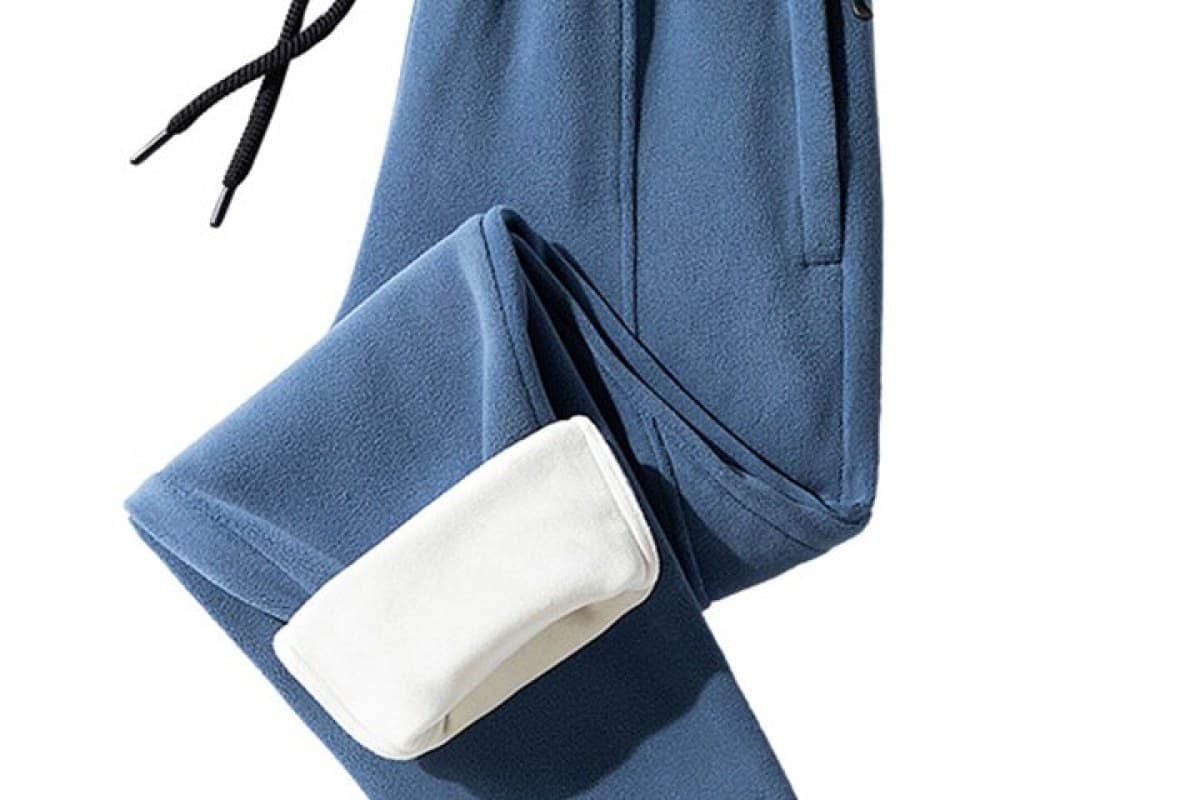
Yes, you can wear joggers dressed up, and the trick is to treat them as a slim, tapered trouser that happens to have an elastic waist rather than as loungewear. Choose a smooth, dark, logo-free pair that ends at your ankle, then wear a structured top half and clean leather footwear. Do that, and joggers work for casual offices, dinners and travel days. Ignore it, and you look like you left the house in your pyjamas.
This guide covers what separates smart joggers from gym joggers, how to pair them with blazers, coats and knits, which shoes work, and the situations where you should wear real trousers instead.
The names get mixed up, but the cut is what matters. Classic sweatpants are usually straight or relaxed, loose through the leg, with a ribbed cuff or an open hem, and they are made for lounging or exercise. Joggers are cut narrower, tapering from the thigh to a fitted cuff at the ankle, which gives a cleaner outline and shows off your shoes. For dressing up, always start with the tapered version, because a straight, baggy sweatpant cannot be rescued by a nice jacket.
Five details separate a pair you can wear out from one that stays at home.
Drawcords should be tucked in or replaced with a flat cord, and pockets should lie flat rather than bulge. Zip pockets are neater than open slash pockets for dressed-up looks.
Use this rule: make the top half tailored, and the shoes clean. The sharper the jacket and the shoes, the more the joggers read as intentional. A useful test is to imagine the outfit without the joggers; if everything else looks smart, the joggers will fit in.
An unstructured navy or grey blazer over a tee or fine knit works well. Choose slim-fitting joggers so the blazer’s lines are not overwhelmed. Our rules for wearing a t-shirt under a blazer apply here, too: solid colour, good fit, quality cotton.
An overcoat is the most effective disguise. It covers the waist and thighs, and leaves only the tapered ankle visible. A leather or suede bomber gives a sportier version; see our advice on bomber jacket styling for proportions.
An oxford shirt worn untucked under a knit, or a fine merino polo, keeps the outfit collared and smart. Avoid a tucked-in dress shirt; the elastic waist makes tucking look awkward and the contrast in formality is too extreme.
A fine crew-neck knit in a complementary neutral is an easy top for travel days. Add a plain tee under it if you need warmth.
Because the waist is elastic, most men buy by the number on the label and stop there. Three measurements are worth checking instead. First, the rise: the waistband should sit at your natural waist or just below it, not slung low on the hips, since a low rise makes the crotch drop and the leg look shorter. Second, the thigh: you should be able to pinch a small fold of fabric at the front of the thigh, no more. Third, the leg opening before the cuff: on a tapered pair, the cuff should be only slightly narrower than the calf, so the fabric falls straight into it rather than ballooning above it.
If you are taller, look for a longer inseam so the cuff still reaches the ankle. If you are shorter, expect to hem or fold the cuff, and check whether the fabric allows it. Knit joggers can usually be shortened by a tailor, although a ribbed cuff is harder to reattach neatly.
Joggers are the wrong tool for formal or client-facing work, interviews, weddings, black-tie or cocktail events, and any venue where trousers are explicitly required. In those places, a pair of men’s dress pants or chinos is the right choice. Read our explanation of chinos versus dress pants when you are not sure which one applies.
Wash on a cool cycle, inside out, with similar colours. High heat shrinks cotton and damages elastane in the waistband and cuffs, so tumble dry low or hang to dry. Avoid fabric softener, which coats fibres and can make knit surfaces look fuzzy sooner. Check the care label as fibre blends vary.
It depends on the dress code. In a relaxed creative or casual-Friday setting, dark tapered joggers with a blazer and leather shoes may pass. In conservative or client-facing offices, stick to trousers. If you are unsure, ask or observe what colleagues wear.
Neither. Aim for a relaxed thigh that tapers to a slim ankle. Very tight joggers look like leggings, and very loose ones look like pyjamas.
Black and charcoal go with almost everything. Navy is a strong second, and olive works when you want colour without brightness.
No. A tie asks for tailored trousers, and joggers under it look mismatched. Save the pairing for collared shirts worn open at the neck, or for knits.
For more relaxed-but-sharp outfits, see our weekend smart casual checklist, and browse men’s joggers and sweatpants for plain, tapered options.
Edited by the ADDMPS Style Team.
Shop an outfit around one piece with ADDMPS: choose star or backdrop, set your colours, match formality, then finish with shoes and one smart accessory.

Steam or dry clean your blazer? ADDMPS explains when each is right, how to steam at home step by step, and which fabrics need extra caution before you start.