
Build an Outfit Around One Piece: 5 Simple Steps
Shop an outfit around one piece with ADDMPS: choose star or backdrop, set your colours, match formality, then finish with shoes and one smart accessory.
Tops, dresses, trousers, skirts and jackets for a pear shape, with fit tips on buying for your hips and tailoring the waist. A balanced, practical ADDMPS guide.
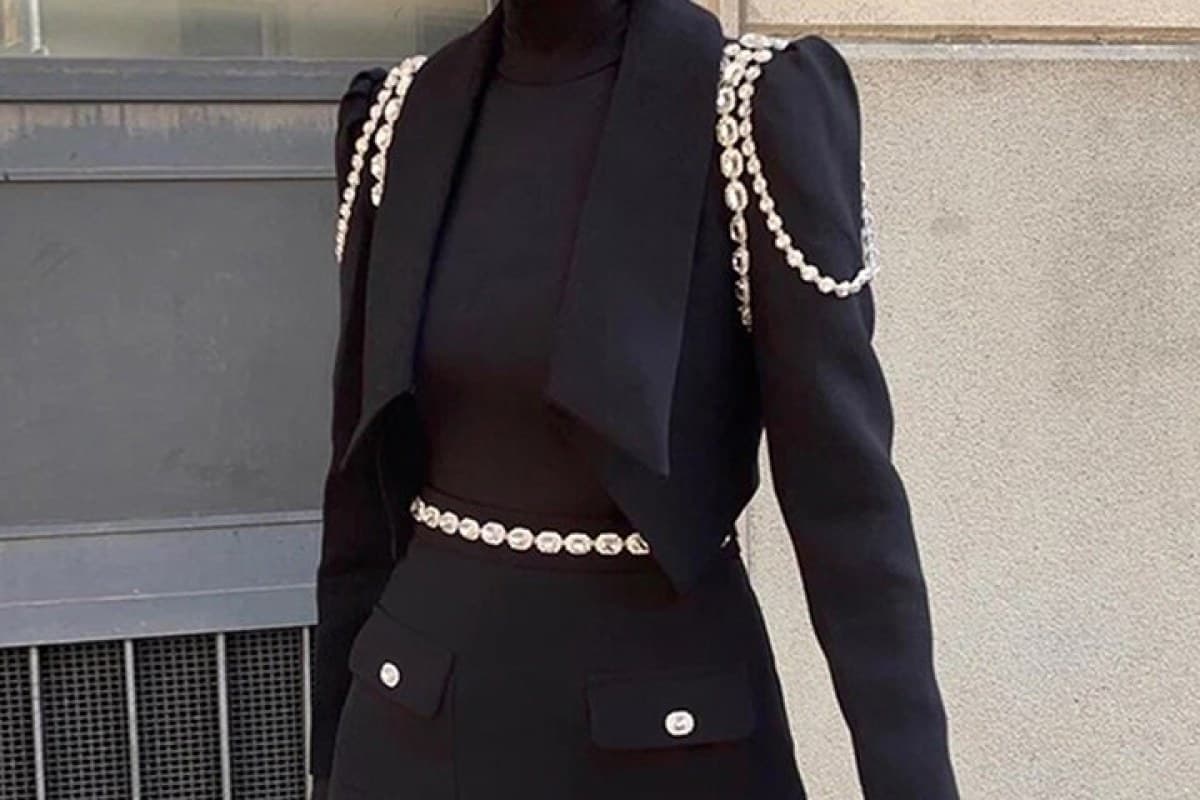
Pear body shape clothes work best when they balance the proportions between a narrower upper body and fuller hips and thighs: structured shoulders or interesting necklines on top, a defined waist, and skirts and trousers that skim rather than cling. A pear shape (sometimes called a triangle) simply means your hips are wider than your bust and shoulders. There is nothing to fix, only proportions to work with, and this guide explains how to choose pear body shape clothes that fit properly, from tops and dresses to trousers, jackets and fabrics.
Measure your bust, waist and hips. If your hips are noticeably wider than your bust, your waist is defined and your shoulders are narrower than your hips, you are likely a pear. Body shapes are simply a shorthand for proportion, and many people fall between categories or change over time. Treat the description as a starting point rather than a rule. If your bust and hips are closer in width, our hourglass body shape guide may describe you better.
The classic approach is to add visual interest and width to the upper body while keeping the lower half streamlined. That does not mean hiding your hips. It means choosing details that draw the eye upward, such as a wide neckline, a bright color or texture on the top half, and a clean line below. If you prefer to highlight your hips instead, do the opposite. The aim is that the outfit feels like yours.
Avoid tops that finish exactly at the widest part of your hips, and thin, clingy knits that follow every line if you would rather they did not.
Dresses are excellent for pears when you choose the right cut, because one piece covers both sections. Try these:
Watch out for slim pencil dresses that stop tight at the hip, especially in clingy jersey, and for details such as large hip pockets or heavy gathering at the sides. Our guide to choosing a midi dress for your body type covers how hem length interacts with your proportions.
The best trouser fits skim the hips and thighs without clinging, and stay clean through the leg.
Avoid very skinny styles in thin fabric if you prefer more balance, and heavy details such as cargo pockets on the thighs. If a pair fits at the hips but gapes at the waist, that is one of the most common pear fit issues, and it is easily fixed by a tailor. Find styles in the women’s pants collection and check size charts for hip and thigh measurements.
Choose a length that hits at the knee or below the knee to avoid the hem ending at the widest part of the thigh.
The jacket length that suits pear shapes is either cropped to the waist, or long enough to cover the hip fully. Anything that ends at the widest point of the hip emphasizes it. Choose a blazer with defined shoulders, a single-breasted cut, and a slight waist shape. If the jacket fits at the hips but is loose at the shoulders, it will look bigger; if it fits your shoulders but pulls at the hips, look for a longer or slightly more relaxed cut and keep it open. For the complete fit process, see our blazer fit guide.
Read the composition on the product page and choose fabrics with a small amount of stretch for comfort.
The most useful rule for pears is to buy for your largest measurement and tailor the rest. If your hips fit into a size 12 and your waist into a size 10, buy the 12 and take in the waist. Adjusting a waist is much simpler than adding room to hips. Look for separates rather than sets, since you can buy different sizes on top and bottom, and check size charts for hip measurements. Our guide to reading size charts explains the process.
A-line and fit-and-flare dresses are the most popular, because they fit the bodice and waist and skim over the hips. Wrap dresses and empire-waist dresses also work well.
Bootcut, straight-leg and slightly flared jeans with a mid or high rise and some stretch. Choose a pair that fits the hips and have the waist adjusted if it gapes.
No color is off-limits. A common styling trick is to put brighter or lighter colors and patterns on top and darker colors below, but you can reverse it if you prefer to draw attention to your hips.
Add volume and detail to the upper body with structured shoulders, wide necklines, sleeves or layers, and choose bottoms that skim rather than cling. Well-fitting underwear also changes how tops sit.
See more in the ADDMPS dresses collection and check size and fabric details on each product page.
Edited by the ADDMPS Style Team.
Shop an outfit around one piece with ADDMPS: choose star or backdrop, set your colours, match formality, then finish with shoes and one smart accessory.

Steam or dry clean your blazer? ADDMPS explains when each is right, how to steam at home step by step, and which fabrics need extra caution before you start.