
Build an Outfit Around One Piece: 5 Simple Steps
Shop an outfit around one piece with ADDMPS: choose star or backdrop, set your colours, match formality, then finish with shoes and one smart accessory.
Build a first job wardrobe for men: the blazer, trousers, shirts and shoes to buy first, where to spend, where to save and how to dress for any office. ADDMPS.
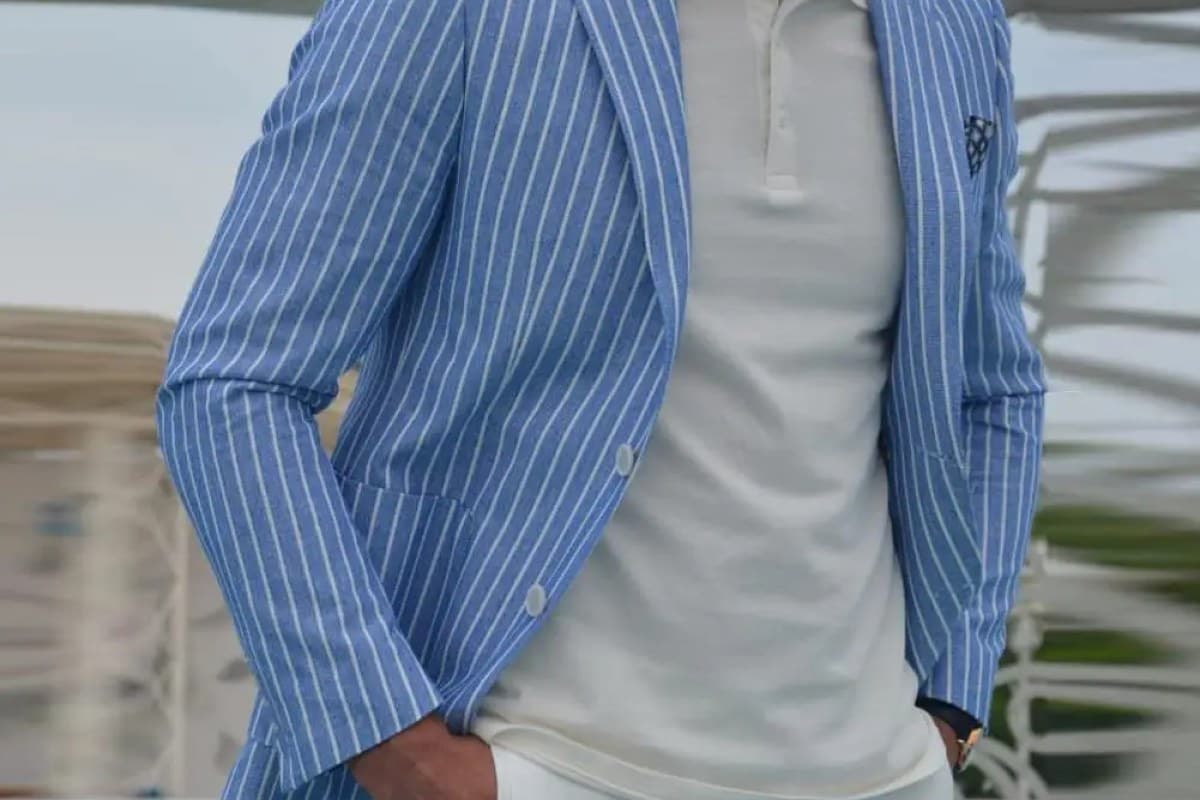
A first job wardrobe for men comes down to about a dozen well-fitting pieces: a navy blazer, two pairs of trousers, five shirts, two pairs of leather shoes, a belt, a couple of knits and a coat that suits your climate. You do not need a full set of suits on day one. You need clothes that are clean, fit properly and match the dress code of your workplace, and you need enough repetition that you never get caught with nothing to wear on a Wednesday.
Here is how to work out what your job actually requires, what to buy first, how many of each item you need, where to spend and where to save, and the small habits that keep a modest wardrobe looking sharp.
Dress codes vary far more between employers than between trends. Before spending, find out four things:
A navy blazer is the most useful single piece: it works over shirts with trousers, over knits, and, on a formal day, as part of a suit-like outfit. If your job needs a suit, pick a mid-weight navy or charcoal in a wool or wool-blend and treat the jacket and trousers as separate pieces. Our guide to navy blazer outfits shows how far one jacket can go. Browse men’s blazers when you are ready.
Two pairs cover most weeks: charcoal or navy dress trousers, and stone or khaki chinos. The dress pair carries you through formal days, and the chinos through relaxed ones. Look at men’s dress pants for the first pair.
Five shirts allow you to rotate through the week without washing every night: two white or off-white, two light blue, and one subtle stripe or check. Choose an easy-care cotton or a cotton blend, with a collar that stands up in a jacket. Collar fit and sleeve length matter more than brand: you should be able to slide a finger between the buttoned collar and your neck, and the cuff should end at the wrist bone.
One or two fine-gauge sweaters in navy and grey, either crew neck or V-neck, work over a shirt and under a blazer. They save you when the office is cold.
Two pairs of leather shoes: black or dark brown derbies or oxfords, plus a second, more casual pair such as loafers or chukka boots. Wearing the same pair every day breaks them down faster; rotating gives each pair a day to dry out. Insert shoe trees when you take them off.
One belt in a colour that matches your shoes; see how to pair them in our belt and shoe matching guide. Buy socks in dark, plain colours, mid-calf so no leg shows when you sit. Two ties, in navy and a subtle pattern, are enough if a tie is required. A simple watch is useful but optional.
A single coat in a dark neutral: a wool overcoat for cold climates, or a trench or mac for milder, wetter ones. Make sure it goes over a blazer.
With five shirts, two pairs of trousers and one blazer, you already have ten shirt-and-trouser combinations, and each of them works with or without the jacket. Add two knits and you have multiple layered options without buying a single extra piece. That is why fewer, better pieces beat a wardrobe of one-off items. If you later want to scale up, our 15-piece men’s capsule wardrobe shows the next stage.
Interview outfits are a step above daily wear. In most conservative industries, that means a dark suit, a white or light blue shirt, a plain tie and polished black or dark brown shoes. If you are reading this before your interview, go straight to our interview outfit guide for conservative industries. If you got the job, you already own the outfit for your first day.
Fit matters more than the price on the label. A modest jacket that fits your shoulders looks better than an expensive one that does not. Check three things when you try on any work piece: shoulders seam at your shoulder edge, sleeve showing about half an inch of shirt cuff, and trousers that break lightly on the shoe. If you order online, check the size chart and the product page measurements before you decide.
Aim for enough that you can go two weeks without repeating an exact outfit. Five shirts, two trousers, a blazer and one or two knits will give you that.
Only if the dress code or your industry requires one. If not, a blazer with trousers is more flexible, and you can add a suit later.
Dark brown is the most versatile with navy, grey and khaki, and black is the most formal. If you buy only one pair, choose the colour that goes with the trousers you wear most.
Dress a notch smarter than you expect the office to be: a pressed shirt, tailored trousers, a blazer in reserve and clean, polished shoes.
Ready to start? Explore the ADDMPS men’s collection for blazers, shirts and trousers that cover the basics.
Edited by the ADDMPS Style Team.
Shop an outfit around one piece with ADDMPS: choose star or backdrop, set your colours, match formality, then finish with shoes and one smart accessory.

Steam or dry clean your blazer? ADDMPS explains when each is right, how to steam at home step by step, and which fabrics need extra caution before you start.