
Build an Outfit Around One Piece: 5 Simple Steps
Shop an outfit around one piece with ADDMPS: choose star or backdrop, set your colours, match formality, then finish with shoes and one smart accessory.
What to wear to an interview in law, finance or government: suit colour, shirt, tie, shoes, fit checks and video-call tips, explained by the ADDMPS Style Team.
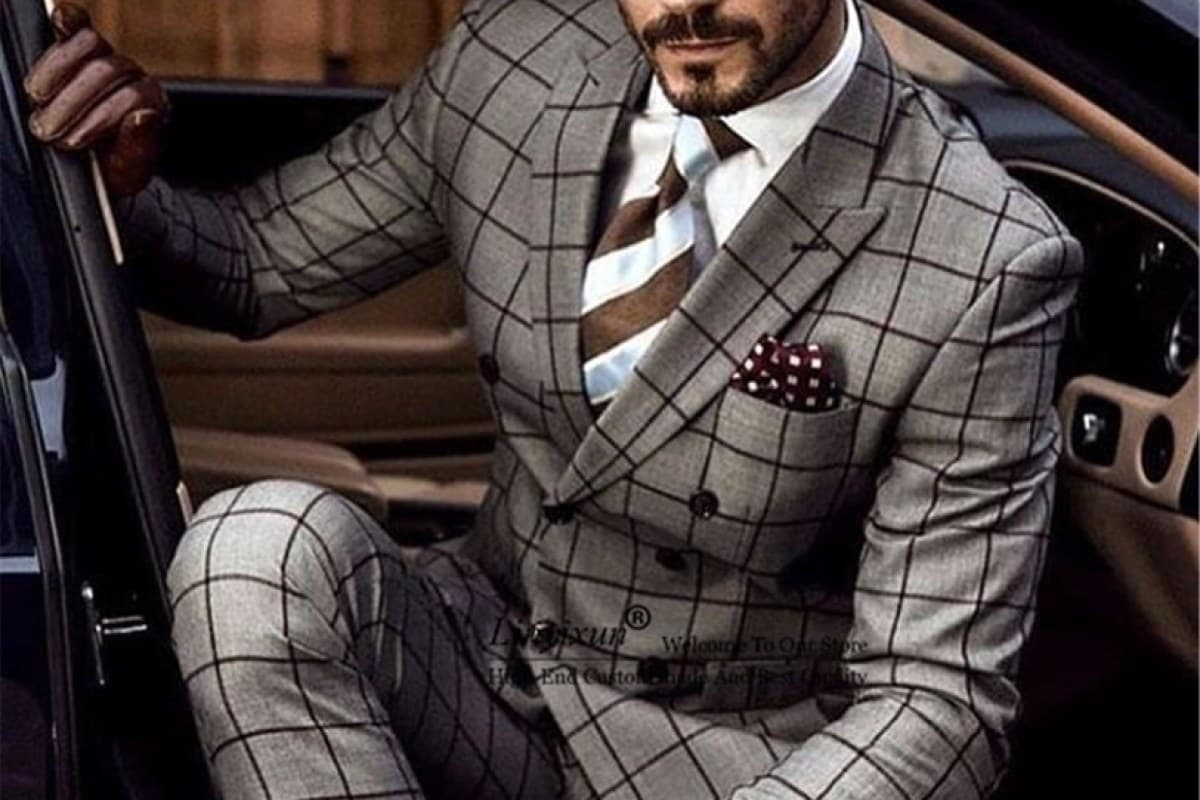
For a men’s interview outfit in a conservative industry such as law, banking, accounting, insurance or government, wear a navy or charcoal two-piece suit, a white or light-blue shirt, a plain silk tie, black leather oxfords and a plain belt to match. Every choice should be quiet, so the interviewer remembers your answers and not your clothes. Below is the full outfit with reasons, the fit checks that matter most, and what to do differently for a video interview.
Think of it as a checklist, from the outside in:
If you are still deciding on the suit itself, our men’s suit buying guide explains cut, fabric and construction. You can also browse men’s suits to see what is available.
Navy and charcoal read as trustworthy, versatile and appropriate in almost every formal setting. Light grey and tan look more casual and can show sweat and creases under stress. Black suits are associated with evening events. A mid-tone navy in a plain weave will also survive a full day of interviews, coffee and train seats without looking tired. If you can buy only one suit for interviews, navy is the answer, because it works with brown or black shoes and a wide range of ties.
Nervous energy makes bad fit obvious, so run this checklist before you go:
Our checklist for how a suit jacket should fit goes deeper on each point. If the sleeves or trouser hem are the only issues, a tailor can fix them cheaply; shoulder problems are usually not worth chasing.
A tie is expected in conservative settings. Choose silk, about 3 to 3.5 inches at its widest point, so it sits in proportion to your lapels. A four-in-hand knot is simple and slightly asymmetrical, which suits most collars, and a half-Windsor works for wider spread collars. Finish with a small dimple below the knot and let the tip land at the top of your belt buckle. To cross-check width and knots, read our guide to tie width, knots and formality.
Avoid novelty patterns, logos, shiny satin finishes and anything that would spark small talk about the tie itself. Save the personality for the questions you answer.
Barrel cuffs with buttons are safest. Cufflinks are unnecessary and can look showy if you are early in your career; if you do wear them, keep them small and plain. A pocket square is optional and best kept plain white, folded flat. If you have never worn one, skip it, because a badly folded square is worse than none.
If the invitation says “business casual” or gives no guidance, it is acceptable to ask the recruiter what people usually wear. When you cannot ask, dress one level above the likely norm. In a conservative industry that means wearing the full suit but perhaps leaving the tie in your pocket until you see what others wear. For less formal interviews, a navy blazer, grey trousers and an open-collar shirt is a sound fallback, and our guide to business casual without a suit covers that version.
Dress for the full outfit, not just the top half, as you might have to stand up or move. Camera-friendly choices include a solid mid-blue shirt or a white shirt with a navy jacket, with a tie that is a shade or two darker than the shirt. Avoid fine stripes and tight herringbone, which can shimmer or moire on screen, and avoid a white shirt against a white wall. Check your lighting and background before the meeting, and place the camera at eye level so the jacket collar sits properly.
In a conservative setting, the small things carry weight because there is so little else to look at. Trim and neaten your hair and any facial hair a couple of days ahead, not the morning of, so there are no fresh cuts or uneven edges. Clean and clip your nails. Iron a handkerchief and carry it in a trouser pocket, out of view. Empty the jacket pockets of anything except a pen and business cards, and check the inside of the jacket for the stitched-shut vents and pocket flaps that some new suits ship with: cut the basting threads so the back vent opens and the pockets lie flat. Finally, remove any tags or sleeve labels, which are sometimes left on the cuff of a new jacket.
It is acceptable but not ideal. A black suit is often seen as evening or funeral wear, and it can look severe in a daytime office. Navy or charcoal is a safer choice and looks warmer.
In creative or modern workplaces, dark brown oxfords with navy are fine. For law, finance and government, stick with black. If you want more on how shoe colours pair with suits, see our guide to charcoal suits and brown shoes.
Not necessarily. A well-fitted, clean, plain suit you already own is better than a new suit that does not fit. If you must buy, choose a versatile navy that will also serve you at work, as covered in our list of wardrobe staples for a first job.
Only if the interviewer invites you to. Keep it on when you enter and stay in it until you are asked or others remove theirs.
Preparing for interview season? Browse our men’s collection for tailoring and shirts, and check each product page for fabric details.
Edited by the ADDMPS Style Team.
Shop an outfit around one piece with ADDMPS: choose star or backdrop, set your colours, match formality, then finish with shoes and one smart accessory.

Steam or dry clean your blazer? ADDMPS explains when each is right, how to steam at home step by step, and which fabrics need extra caution before you start.