
Build an Outfit Around One Piece: 5 Simple Steps
Shop an outfit around one piece with ADDMPS: choose star or backdrop, set your colours, match formality, then finish with shoes and one smart accessory.
Match your belt and shoes correctly: colour families, leather finish, belt width, buckle metal and sizing, plus when you can break the rules. An ADDMPS guide.
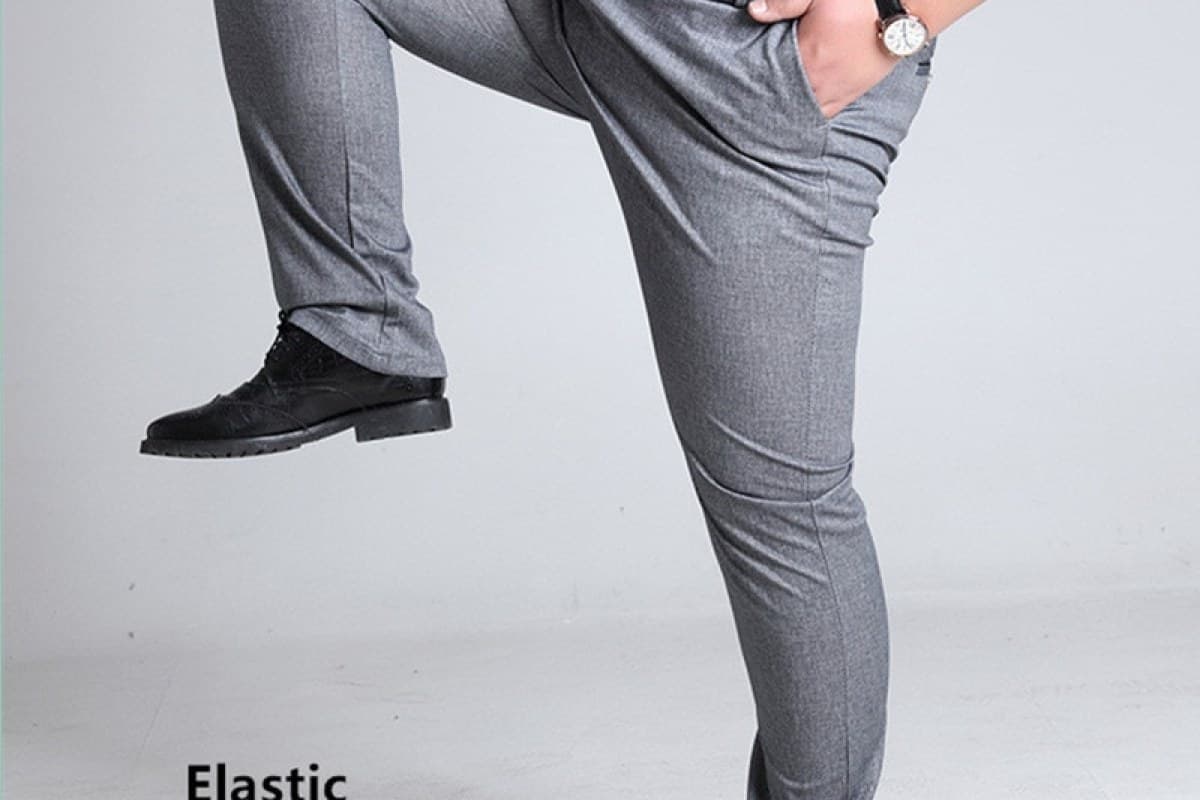
The rule for matching your belt and shoes is to keep them in the same colour family and the same level of formality, not to make them identical. Black shoes take a black belt, brown shoes take a brown belt in a similar shade, and the leather finish should match too: polished with polished, suede with suede. Nobody checks the dye lot, but they will notice a black belt with brown shoes or a chunky casual belt with slim dress shoes.
Below you will find the colour rules for every common pairing, the width and buckle details that most men miss, how to fit a belt correctly, and when you are allowed to break the rule.
No. Exact matching is a leftover from a time when matching sets were sold together. What matters now is that the two read as belonging to the same outfit. That means three things:
Black belt, always, for anything dressy. Black oxfords and a black belt with a charcoal, navy or black suit are the most formal pairing possible. Silver or gunmetal buckles are the natural partners.
A dark brown belt of the same tone. This combination works with navy, grey and most earth-toned trousers. See our guide on wearing brown shoes with a charcoal suit for how to choose the shade.
Choose a belt in the same or a slightly darker brown. Tan shoes with a dark brown belt looks unbalanced, so if in doubt, buy a tan belt that matches. These shoes belong in summer and casual outfits with navy, olive or stone trousers.
Either a belt of the same colour or a dark brown belt. Burgundy shoes are forgiving because they sit between brown and black, and the leather often has a warm red undertone that ties to both.
Ideally a suede belt in the same colour, or a leather belt with a matte finish in a similar shade. A high-gloss belt next to suede feels off. Tan suede with a mid-brown belt looks natural.
The belt rule relaxes here. With white leather sneakers, a tan, brown or black leather belt is fine, and so is a woven or canvas belt. Match to the rest of the outfit’s leather, such as a watch strap or bag, rather than to the shoes.
Chelsea boots and lace-up boots in dark brown or black take a matching leather belt. Rugged work boots suit a thicker, textured belt with a plain buckle.
Colour is only half the job, and width is the piece most men overlook.
Match buckle metal to other metal in the outfit, such as your watch case, cufflinks or tie bar. Our guide to matching tie bars and watch metals explains the logic. A small mismatch is fine if it is intentional, but a gold buckle beside a silver watch and silver cufflinks looks accidental.
A common rule of thumb is to buy a belt about two inches larger than your trouser waist. Belt size is usually measured from the base of the buckle to the middle hole, which is why it runs larger than the waist it fits; brands differ, so compare the measurement against a belt that already fits you. For example, a man who wears size 32 trousers usually needs a size 34 belt. The tongue of the buckle should sit in the middle hole, which lets you tighten or loosen it as needed. The tail should reach the first or second belt loop after the buckle, not beyond it. If the tail extends past the loop and flaps, the belt is too long, and if it does not reach the first loop, it is too short.
Avoid wearing a belt with trousers that need braces or side adjusters. Suit trousers that have side tabs or button tabs are cut to be worn without a belt, and the belt loops on them, if present, are optional.
Woven belts, canvas belts and rope belts work with casual sneakers and loafers in summer. They are visibly not trying to match, so there is no clash.
Tailored trousers with side adjusters, or ones with a properly fitted waist and a clean shirt-front, can go beltless. This is common with a suit trouser in a dressy setting. Do not skip the belt with jeans or chinos unless you tuck nothing in and the fit is perfect.
If the belt and shoes are close but not perfect, add a third leather item, such as a watch strap in the belt’s colour, so the leather elements read as a set. See the notes in our suit and watch rules for strap colour choices.
Condition leather with a suitable cream every few months, and polish shoes with a cream close to the shade of the belt so they age together. Store belts hanging or loosely rolled, not folded sharply, and let shoes rest a day between wears with shoe trees inside.
No, keep them the same. In formal and business settings it looks like a clear mistake, and even in casual dress it reads as careless.
Yes, and either black or brown works. Black is more formal, while dark brown suits a relaxed navy suit. Just keep the belt and the shoes in the same colour.
Yes, when the trousers fit properly at the waist or have side adjusters. Beltless suit trousers give a cleaner line, especially with a formal jacket.
Tan, brown or black leather all work, and woven belts work as well. Match the belt to another accessory in the outfit rather than the sneakers.
Building the base of the outfit? Find suit trousers and chinos in the men’s dress pants collection, and check the product page for belt-loop details.
Edited by the ADDMPS Style Team.
Shop an outfit around one piece with ADDMPS: choose star or backdrop, set your colours, match formality, then finish with shoes and one smart accessory.

Steam or dry clean your blazer? ADDMPS explains when each is right, how to steam at home step by step, and which fabrics need extra caution before you start.