
Build an Outfit Around One Piece: 5 Simple Steps
Shop an outfit around one piece with ADDMPS: choose star or backdrop, set your colours, match formality, then finish with shoes and one smart accessory.
Make an all black outfit look deliberate: match your blacks, mix textures, get the fit right and try six formulas for day and evening. Style advice by ADDMPS.
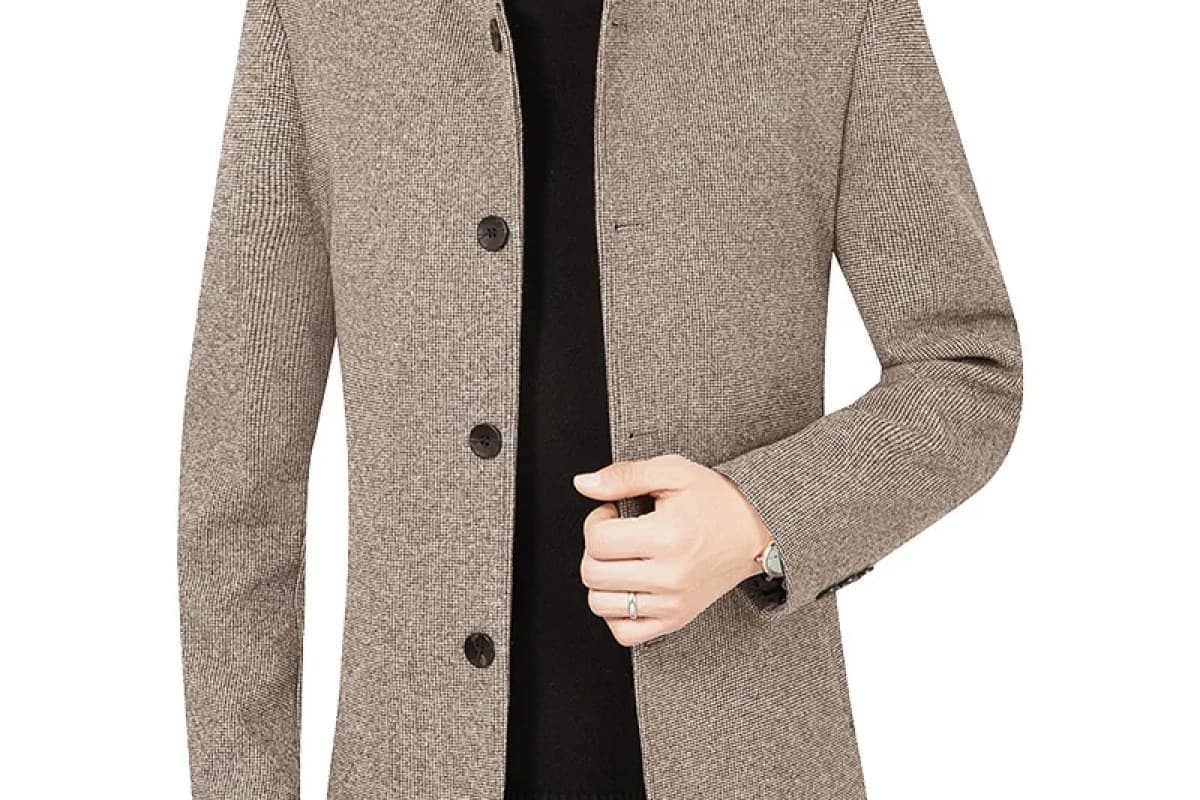
An all black outfit for men looks elevated when you vary texture, keep the fit precise and make sure your blacks actually match. Black on black is the easiest colour scheme to buy and the easiest to get wrong, because different fabrics, dyes and ages of garment turn the same “black” into slightly different shades. Below is how to build a monochrome black look that reads sharp and deliberate, with formulas for day, evening and work.
There are three usual reasons. First, mismatched blacks: a washed-out black tee next to jet-black trousers and a bluish-black jacket looks accidental. Second, sameness of texture: three flat cotton pieces merge into one dark block with no depth. Third, poor fit: black shows every wrinkle, bag and stretched knee because the eye has nothing else to look at.
Fix all three and the outfit turns from “dressing lazily” into a considered silhouette. The rest of this guide deals with each point.
Black dyes vary in undertone. Some lean blue, others brown or green, and fibres take dye differently: wool and cotton, for example, rarely land on the same black. The result is visible in daylight even when it looks matched indoors.
Texture does the work that colour normally does. Mix at least three of these in one outfit:
The principle is contrast between matte and slight sheen, or between smooth and nubbly. A black turtleneck in fine merino, black wool trousers and black suede Chelsea boots gives you three different surfaces without adding a single colour.
A black blazer over a black crew-neck tee with black tapered trousers and leather derbies. The tee should be thick enough to hold its shape. See our note on wearing a t-shirt under a blazer for collar and length rules.
A black merino roll-neck, straight wool trousers, Chelsea boots. It is smart enough for dinner and plain enough for an office with a creative dress code.
Casual and low-effort. Use a chunkier knit and a lighter, less shiny boot so the outfit does not look like a uniform.
A black cotton overshirt over a black henley, with black chinos and low-profile black leather sneakers. Roll the sleeves for relaxed shape.
A black suit in a fine wool, black poplin shirt open at the collar, black leather loafers or plain-toe derbies. This should be cut and pressed well because it is the version that shows every flaw.
A black leather jacket over a black tee with black jeans reads rock-and-roll. Read our guide to leather jacket outfits for how to keep it from tipping into costume.
Yes, and with restraint. A single accessory can lift an all black outfit without spoiling it:
Avoid adding more than one accent at a time. Too many make a monochrome look busy.
Screens make black look uniform, so use product pages to reduce risk. Read the fibre composition, since a cotton and a wool piece will not fade the same way, and look at the product photography for undertones: blue-black, jet or soft washed black. Order tops and bottoms together if you can, so you can compare them in daylight, and wash cotton pieces once before deciding they match. If a pair is a slightly different shade, treat it as a deliberate variation and add a texture change so the difference reads as depth.
Black fades with every wash, and it attracts lint, dust and pet hair. Wash dark garments inside out on a cool cycle with detergent formulated for dark colours, and avoid over-washing. Hang them to dry away from direct sun, which bleaches the dye. Keep a lint roller in the wardrobe and by the door. For wool, brush instead of laundering. Always follow the care label on each garment, since fibre content varies.
Black jeans, black chinos and black knitwear age differently, so rotate them to spread the wear. When a piece has faded to grey next to the others, retire it from the all-black outfit and use it in a mixed look.
Shoe choice decides whether the outfit reads formal or casual. Black leather Chelsea boots suit almost everything, plain-toe derbies lean smarter, and black suede loafers soften a tailored outfit. Low leather sneakers in all black keep denim looks relaxed. Whichever you choose, make sure the sole edge and laces are also black, because a white midsole or contrast lace draws the eye to the foot and breaks the column.
With one colour, the silhouette is the outfit. Aim for a clear, consistent shape from shoulder to ankle:
Black works for dinners, gallery openings, evenings out and creative workplaces. It is less suitable for formal daytime weddings, where dark navy or charcoal is more traditional, and for hot midday outdoor events, where black absorbs heat. In a corporate office, black tailoring can work if the dress code allows, though many senior people associate navy and charcoal with daytime business.
Dark brown suede can work as a deliberate accent, but black leather or suede is usually cleaner. If you are unsure, follow the same principle as in our guide to matching belts and shoes: keep the belt and shoe consistent.
A single dark colour creates an unbroken vertical line, which many people find streamlining. That effect is optical, and it works only when the clothes fit.
It can be. Soften daytime black with a lighter fabric such as cotton, add a white tee or a stone-coloured accessory, and avoid glossy fabrics.
Avoid a black suit with a black tie and black shirt. Use casual pieces, vary the textures and add a relaxed element such as an open collar or a leather sneaker.
To start building the look, explore our men’s blazers and choose a black piece with visible texture.
Edited by the ADDMPS Style Team.
Shop an outfit around one piece with ADDMPS: choose star or backdrop, set your colours, match formality, then finish with shoes and one smart accessory.

Steam or dry clean your blazer? ADDMPS explains when each is right, how to steam at home step by step, and which fabrics need extra caution before you start.