
Build an Outfit Around One Piece: 5 Simple Steps
Shop an outfit around one piece with ADDMPS: choose star or backdrop, set your colours, match formality, then finish with shoes and one smart accessory.
Stylish maternity outfits with wrap dresses, empire lines and open blazers. What to check in fabric, length and stretch, plus a capsule. Shop ADDMPS dresses.
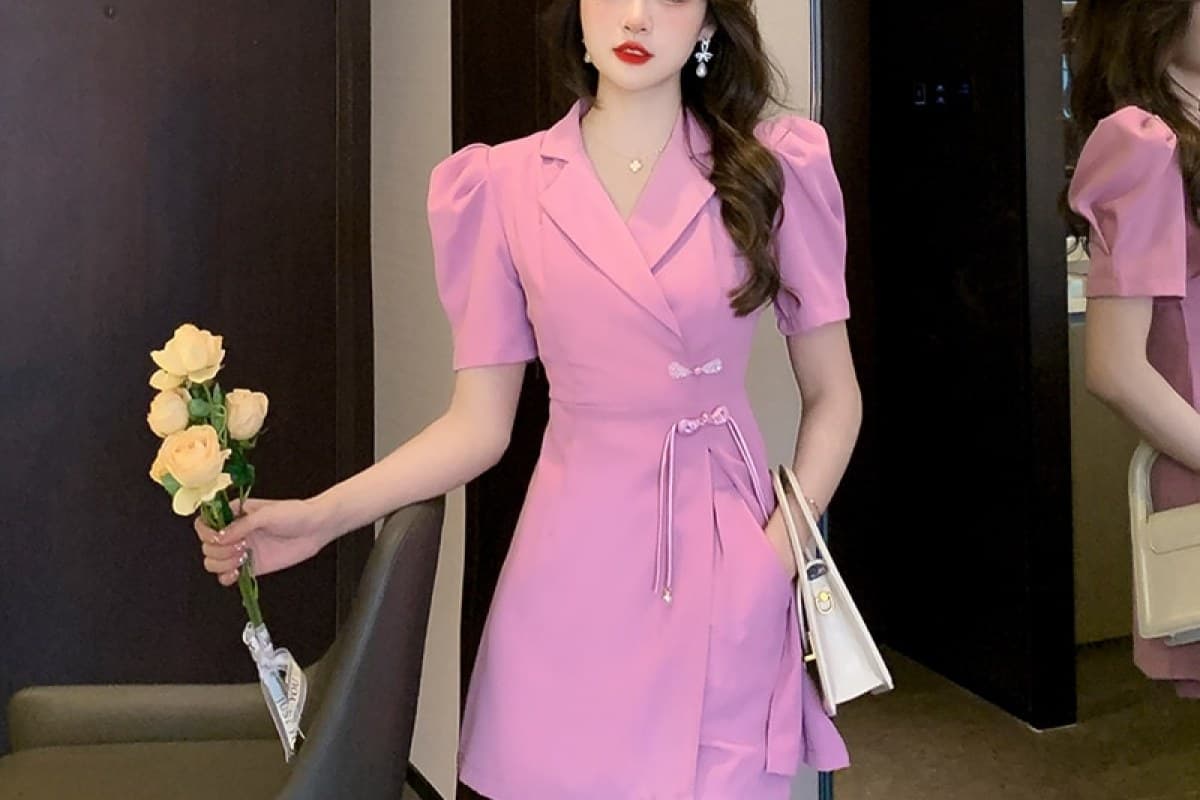
To dress well during pregnancy without buying an entirely new wardrobe, focus on stylish maternity outfits built from stretch, drape and adjustable shapes: wrap and empire-line dresses, open blazers cut with room, knit tops with side ruching, and waistbands that flex. Every pregnancy and body is different, and there is no single right size or shape, so the aim here is flexibility. This guide covers which dresses and blazers work as your body changes, what fabric and length details to check, how to use non-maternity pieces you already own, and how to build a small capsule that carries you from work to weekends.
Bodies change at different speeds, so it helps to think of clothing needs as stages rather than a size. Early on, many people can wear their normal clothes with a few adjustments. Later, you need dresses and tops with room in the front, trousers with a stretch panel and jackets that either stay open or have extra volume. Afterwards, you may want clothes that work for recovering and feeding. Buying a few adaptable pieces that cover more than one stage is better than a large stock of very specific items. If you have questions about comfort, health or what to wear for medical reasons, ask your midwife or doctor, since this guide only covers style.
The crossover front adjusts as your shape changes, and the V-neckline is comfortable if your chest is fuller. Choose a jersey or crepe with stretch, and check that the tie or fastening can move with you. Wrap dresses are also easy for feeding after birth, but choose the style you feel comfortable in.
The seam sits under the bust and everything below it flows free. That means no pressure at the middle, and the dress keeps its shape through changes. Check that the length is generous, as a bump pulls the front hem upwards so a dress can look short in front and longer at the back.
A soft knit dress with stretch fits the bump without clinging. A shirt dress worn open like a long jacket over a fitted top and leggings works late in pregnancy. Look through the dresses collection for wraps, empire lines and stretchy knits, and check the product page for fabric composition, since stretch and softness matter most here.
Long, fluid dresses are comfortable and forgiving. Make sure the hem is long enough to sit level over the bump, and choose breathable fabrics if you are warm. Our midi dress guide by body type covers length and proportion, and the summer dress fabric guide helps you pick cool fabrics.
A blazer keeps you looking put-together at work, and it does not need to be maternity-specific. The trick is to wear it open. Choose a single-breasted style with a shoulder that fits now, because shoulders do not stretch and sleeves stay the same length. Then choose a size or cut that hangs freely in front. A longer line that sits below the bump looks balanced, and a cropped blazer that stops above the bump can look neat with a high-waisted maternity skirt or dress. Unstructured or knit blazers are the most forgiving.
Look at the women’s blazers for relaxed cuts, and read our blazer fit guide to check shoulders and sleeves. Consider wearing the blazer over a fitted knit dress for a sleek line, or over a long tee and stretch trousers on relaxed days.
Many items you have can work with small tweaks.
Six to eight pieces will take you a long way:
Stick to one colour palette so each piece pairs with the others, and remember that you can wear the same outfit in different ways with scarves, jewellery and layers.
Seams that press on the bump, itchy labels, tight sleeves and straps that dig can ruin a good outfit. Try each piece and move: sit, reach and walk. If you feel warm, wear layers you can remove. Shoes may feel different too, so choose ones with cushioning and a wider fit. Supportive undergarments matter as your body changes, so it can help to be professionally fitted.
Most workplaces have room for adaptable outfits. A wrap dress with a soft blazer, stretch trousers with a fine knit and a longline cardigan are all professional, and they work in the majority of dress codes. If your office is formal, choose darker neutral colours and structured shoulders, and leave the bump free by wearing the jacket open. If you sit for long hours, elastic waistbands, breathable fabrics and a spare layer for changing temperatures are worth prioritising.
Feet can change during pregnancy for some people, so comfortable, cushioned shoes with a little extra room are practical. Maternity tights with a soft, stretchy top panel are more comfortable than regular waistbands. A soft scarf, a simple necklace and a structured bag lift a simple outfit without adding pressure anywhere on the body.
Your body may need time, and comfort comes first. Many of the pieces you have chosen, including wrap dresses, soft knits, long cardigans and stretch trousers, carry over well. Avoid buying a whole new wardrobe in a target size. Wait until you know what fits, and keep the items with adjustable features.
Not necessarily. Stretch dresses, wrap styles and relaxed knits often work. Maternity labels help mostly for trousers, jeans and items with extra length or panels.
Yes, especially one worn open with soft fabric. Choose a comfortable shoulder fit and avoid buttoning it over the bump.
Choose a longer hem than usual, such as knee-length or midi, because the bump lifts the front of a dress.
Swap rigid waistbands for stretch, choose breathable fabrics and keep a cardigan or blazer for temperature changes.
Explore adaptable styles in the ADDMPS women’s collection and check fabric details on each page.
Edited by the ADDMPS Style Team.
Shop an outfit around one piece with ADDMPS: choose star or backdrop, set your colours, match formality, then finish with shoes and one smart accessory.

Steam or dry clean your blazer? ADDMPS explains when each is right, how to steam at home step by step, and which fabrics need extra caution before you start.