
Build an Outfit Around One Piece: 5 Simple Steps
Shop an outfit around one piece with ADDMPS: choose star or backdrop, set your colours, match formality, then finish with shoes and one smart accessory.
Cotton, linen, viscose or silk? ADDMPS breaks down which summer dress fabrics stay cool, which wrinkle or show sweat, and how to test one before you buy.
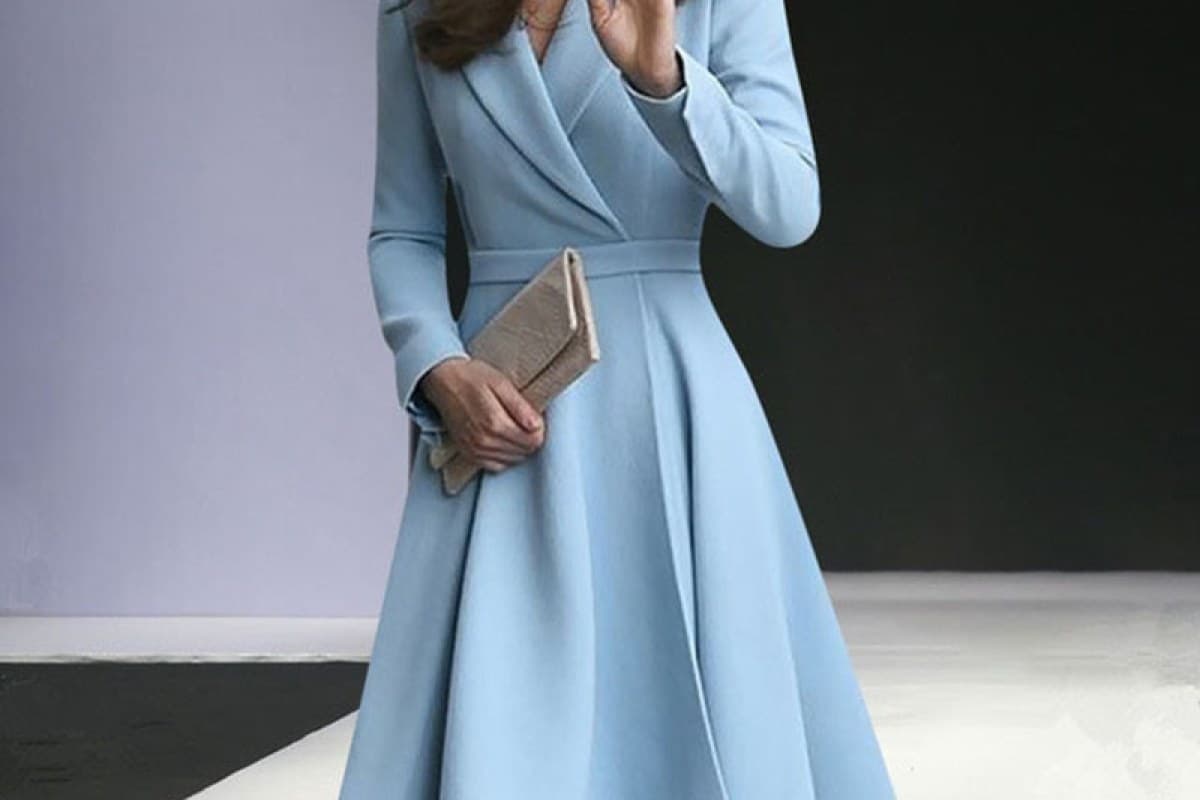
The best summer dress fabrics are lightweight, loosely woven or knitted, and made from fibers that let air and moisture pass through: cotton (especially voile, lawn, poplin and gauze), linen, and cellulose fibers such as lyocell. Fabric matters more than the cut or the print when the temperature climbs, because a dress that traps heat and clings to damp skin is miserable no matter how pretty it looks. This guide explains how the common summer dress fabrics actually behave, which ones wrinkle, which ones show sweat, and how to test a dress in a fitting room or from the product description.
Three factors decide how cool a dress feels. The first is fiber: natural and regenerated cellulose fibers (cotton, linen, viscose, lyocell) absorb moisture and let it evaporate, while most synthetic fibers such as polyester repel water and can feel sticky. The second is construction: an open weave or a lightweight knit lets air move through the cloth, while a dense, tightly woven or heavily lined fabric holds heat close to the skin. The third is weight and fit: a light fabric cut loosely allows air to circulate, whereas a fitted dress in the same fabric will feel warmer.
Cotton is not one fabric, and this is where shoppers get misled. Plain cotton can be heavy and dense, but several cotton weaves are ideal for heat:
Linen is made from flax and is among the coolest fabrics you can wear, because the fibers are naturally absorbent and the yarn is slightly uneven, creating tiny air gaps. It wrinkles easily and that is part of its character. If you dislike creases, look for linen blended with cotton or viscose, which softens the crumple. Linen also gets softer with each wash.
Made from regenerated plant cellulose, viscose drapes beautifully and feels cool against the skin, which is why it is common in flowing sundresses. The trade-offs are that it can be weak when wet, may shrink if it is washed hot, and can develop water marks. Read the care label carefully. A viscose dress is often best washed gently or as directed on its label.
These are also cellulose-based fibers, typically softer and smoother than viscose, with a fluid drape and good moisture handling. They are frequently used in dresses that need to look elegant but feel light. Check the product page for composition and care instructions.
Silk is a natural fiber that feels smooth and comfortable, but it shows water and sweat marks easily, especially in mid-tones and satin weaves. It is better for evening or air-conditioned events than for a long day walking in humid heat. Dark prints and textured silks camouflage marks better than plain pastels.
Polyester does not absorb much moisture, so dresses in plain polyester can feel warmer. That said, lightweight polyester chiffon or georgette with a loose cut can be tolerable for short outings, and polyester is wrinkle-resistant, which is useful for travel. Blends that pair polyester with cotton or viscose can offer a compromise. For all-day wear in high temperatures, a natural or cellulose fabric is generally more comfortable.
Hemp behaves similarly to linen, only slightly coarser at first. Bamboo-labeled fabrics are usually viscose made from bamboo pulp and behave like other viscose fabrics, so check the fiber content rather than the marketing name.
Online, use the fiber content and the description. Words like “lightweight,” “airy,” “crinkle” and “voile” are promising signs, while “heavy,” “scuba” and “structured” suggest a warmer fabric. Compare the composition against our guide to fabric labels for cotton, wool and elastane to decode the percentages.
Lighter colors reflect more sunlight than dark ones, so white, cream, pastel and light blue dresses tend to feel cooler outdoors. Prints hide creases and small marks better than solids, and a small all-over pattern camouflages sweat more effectively than a plain pastel. If you love dark colors, choose them in the airiest fabrics and looser cuts.
A breathable fabric in a tight cut loses its advantage. Look for A-line skirts, tiered hems, smocked bodices, wrap styles and shirt dresses, all of which leave space for air to move. Sleeves matter too: a sleeveless cut is coolest, but if you need shoulder coverage from the sun, short flutter or cap sleeves in a light fabric are a good compromise. For help choosing a length and shape, our midi dress guide covers the proportions.
Thin fabrics wear out faster if they are treated roughly. Use a gentle cycle or hand wash if the label allows, close hooks and zippers first, and use a mesh laundry bag for delicate weaves. Hang linen and cotton dresses to dry while slightly damp, which reduces creasing, and steam rather than press fine fabrics. Do not tumble-dry cellulose fabrics unless the label says you can, since heat contributes to shrinkage.
Linen is generally cooler because it dries quickly and has an open feel, but a light cotton such as voile or lawn can feel just as comfortable. If you dislike wrinkling, a cotton-linen blend gives some of both.
Viscose is a cellulose fiber that swells and loses strength when wet, so heat and agitation can shorten the fabric. Wash it as the label instructs, use cold water, and dry it flat or hang it to dry.
Occasionally. Lightweight polyester chiffon can work for short evenings, but for long days in warm, humid weather most people prefer natural or cellulose fabrics. A blend may improve comfort.
Choose something quick-drying, forgiving of wrinkles and easy to pack: crinkled cotton gauze, a viscose blend or a lightweight seersucker. Our beach cover-up outfit ideas show how to style them.
To compare lengths, cuts and fabrics, browse the ADDMPS dresses and read the fabric composition on each product page.
Edited by the ADDMPS Style Team.
Shop an outfit around one piece with ADDMPS: choose star or backdrop, set your colours, match formality, then finish with shoes and one smart accessory.

Steam or dry clean your blazer? ADDMPS explains when each is right, how to steam at home step by step, and which fabrics need extra caution before you start.