
Build an Outfit Around One Piece: 5 Simple Steps
Shop an outfit around one piece with ADDMPS: choose star or backdrop, set your colours, match formality, then finish with shoes and one smart accessory.
Learn to break any star-style look into silhouette, color, proportion and detail, then rebuild it for your body and budget. ADDMPS shows how to borrow a look.
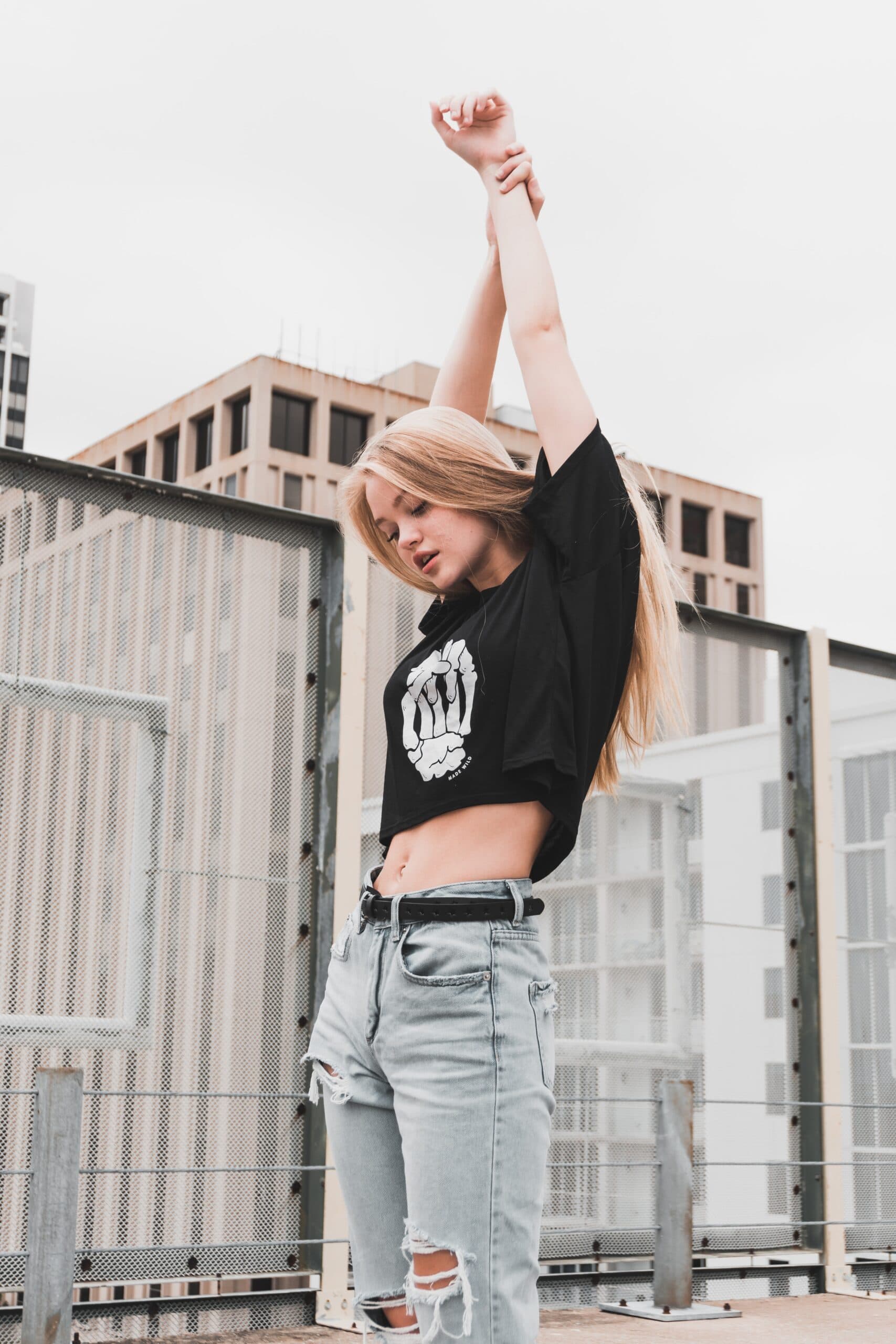
Celebrity style inspiration works best when you stop copying the outfit and start copying the recipe. A famous look is almost never about one dress or one designer; it is a combination of a silhouette, a color decision, a proportion and a finishing detail, and each of those can be rebuilt from clothes that fit your body, your budget and your day. This guide shows how to deconstruct any red-carpet, off-duty or street-style photo into a repeatable formula, and how to adapt it without ending up in a costume. We do not name individuals here; the point is the method, and it works with any look you admire.
A photographed outfit is styled for one moment: a specific light, a specific pose, garments altered on the person wearing them, and often a team steaming and pinning just out of frame. Buying the same items and wearing them on a Tuesday commute rarely delivers the same effect. Three things typically go wrong:
Deconstructing the look solves all three problems, because you keep the idea and change the execution.
Take a photo you like and answer four questions in writing. It takes five minutes and makes the shopping list obvious.
Once you have those four answers, you can rebuild the look from your own wardrobe or from new pieces, and it will still read as the same idea.
The formula: a long, narrow gown in one color, minimal jewelry, hair swept away from the neckline.
Why it works: the vertical line elongates the body, and a single color with a clean neckline shows off tailoring rather than distracting from it.
How to adapt it: look for a midi or maxi in a fabric with weight, such as crepe or heavy satin, that skims rather than clings. Keep accessories to one statement item. For occasions that call for it, our evening versus cocktail dress guide helps you pick the right length and formality.
The formula: an oversized blazer or coat, a plain white tee, straight or slim jeans, sunglasses and simple boots or sneakers.
Why it works: it uses one big shape (the oversized layer) balanced by slim pieces, in a palette of three neutrals or fewer.
How to adapt it: choose a blazer that is one size up, not three. Shoulders that drop slightly off the edge look intentional; shoulders that reach the elbow do not. Roll the sleeves to show your wrist. Check women’s blazers to find a shape that suits your frame.
The formula: trousers, top and jacket in the same color family, often in slightly different shades or textures.
Why it works: an unbroken color block looks polished and expensive because nothing interrupts the line.
How to adapt it: vary texture and shade so it does not look like a uniform. Read our monochrome outfit styling tips for how to mix materials.
The formula: a formal piece, such as a satin skirt or tailored coat, with something casual, such as a knit or sneakers.
Why it works: the tension between formal and casual feels confident and relaxed rather than dressed up.
How to adapt it: make sure the casual piece is clean and fits well. Sloppy casual under a dressy piece looks like a mistake.
The formula: one bold dress, with almost nothing else: neutral shoes, small bag, no layers of jewelry.
Why it works: the dress does all the work, so the whole look is simple to assemble.
How to adapt it: choose the shape that suits you, not just the print. Our women’s dress guide explains necklines, waistlines and hem lengths by occasion. You can compare options in women’s dresses.
Imagine a photo of an off-duty outfit you love: a long camel coat, a white T-shirt, wide-leg jeans and pointed boots. Run it through the four questions. The silhouette is long and loose over long and loose, with the shape coming from the coat. The color is camel, white and blue with nothing else. The proportion is a long outer layer over a short top, with the hem of the jeans breaking at the boot. The detail is the pointed toe, which sharpens an otherwise relaxed outfit.
Now rebuild it with what you have. Any long coat in a warm neutral, any white tee, jeans with a wide leg and a shoe with a defined toe recreate the formula. If you are petite, take the coat to just below the knee. If your budget is small, put your money into the coat and the shoes, and let the tee and jeans be whatever fits well. You have copied the idea, not the item, and it will still look like yours.
Keep the idea and adjust the details to your frame:
Our blazer fit guide is a good place to start if the look centers on a jacket.
Save ten photos of outfits you love, then look for the common elements. If most have structured shoulders, clean lines or bold colors, that is your taste showing up. Use those patterns rather than the individual outfits.
Yes, at the level of formula. Pick the silhouette and color, choose a fabric with weight, and keep accessories restrained. Do not try to match an exact gown; find one that suits your body and the venue.
Absolutely. Clothing silhouettes are not owned by anyone; fashion moves through shared ideas. What matters is how you wear it.
Choose the timeless part of the formula, such as clean lines, good tailoring and simple color, and treat the trend detail (an exaggerated shoulder or a bold print) as the part you can change.
When you are ready to try a look, explore the ADDMPS women’s collection and start with the single piece that carries the most of the formula.
Edited by the ADDMPS Style Team.
Shop an outfit around one piece with ADDMPS: choose star or backdrop, set your colours, match formality, then finish with shoes and one smart accessory.

Steam or dry clean your blazer? ADDMPS explains when each is right, how to steam at home step by step, and which fabrics need extra caution before you start.