
Build an Outfit Around One Piece: 5 Simple Steps
Shop an outfit around one piece with ADDMPS: choose star or backdrop, set your colours, match formality, then finish with shoes and one smart accessory.
Make a one-color outfit look rich, not flat. ADDMPS covers texture mixing, undertones, shade steps and neutral palettes, with formulas for work and weekends.
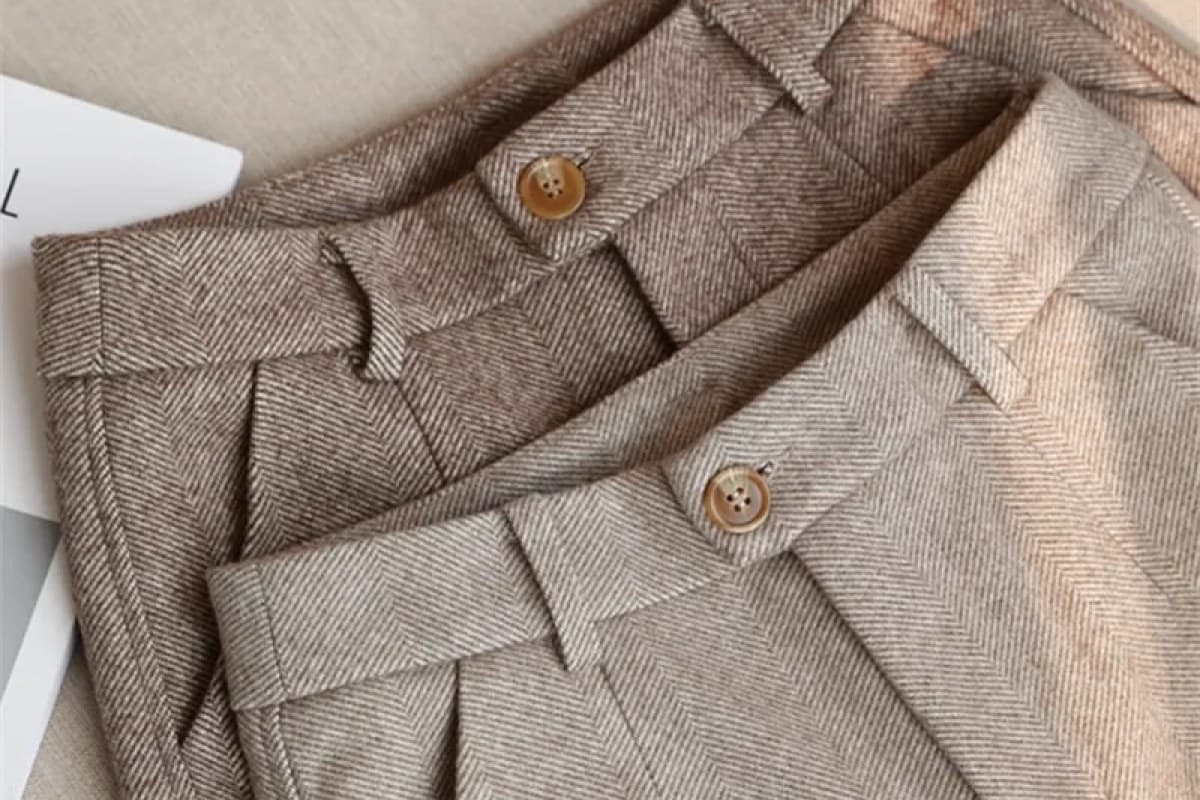
A monochrome outfit works when you dress in one color family but vary the shade, texture and shape, so the look reads as a deliberate palette rather than a flat block. The easiest starting point is a neutral such as black, cream, camel or grey. These monochrome outfit ideas for women explain how to combine slightly different tones, how to mix fabrics so the outfit has depth, and how to avoid the common problems: clashing undertones, one-dimensional fabric and a loss of proportion.
Strictly, monochrome means using a single color. In fashion, it covers two related approaches:
Both can look expensive when they are done carefully, since the eye reads one continuous line from shoulders to shoes. That continuous line also makes the body look taller and longer, which is why the approach works for petite and tall frames alike. See our guide to styling wide-leg trousers for petite and tall women for how a single-color column supports proportion.
If every piece has the same finish, the outfit flattens. Combine a knit with a woven trouser, a satin blouse with a wool blazer, or a suede bag with a leather shoe. Different surfaces catch light differently, which produces visual interest without another color.
Perfectly matching colors are hard to achieve across different fabrics and brands, and a near-miss looks like a mistake. Rather than try to match precisely, go one or two shades apart: a cream sweater with beige trousers, or a navy blazer with slightly lighter navy trousers. When the difference is clear, it appears intentional.
Colors have warm or cool undertones. A cool white (bluish) next to a warm cream (yellowish) looks off. Keep whites in the same family and do the same for blacks and greys. Hold the pieces together in daylight before deciding.
A belt, a bag, a scarf or a pair of shoes in a slightly different tone stops the outfit from becoming a solid column. It also defines the waist. A metallic buckle or a contrast shoe is enough.
When the color is one shade, the outline becomes the main design element. Combine a fitted piece with a looser one: a slim knit with wide-leg trousers, or an oversized blazer with a slim skirt. Avoid layering two loose pieces on top of each other.
The most forgiving but also the easiest to make dull. Mix matte and shiny black, add a leather bag, and keep hair and makeup fresh. Gold or silver jewelry gives it focus. Washed-out black pieces look dated next to deep ones, so check that the blacks match before wearing them together.
Choose opaque fabrics and pair whites of the same undertone. Cream, ivory and off-white are more flattering on most people than bright white, and they look richer in texture-heavy fabrics such as wool, linen and knit. Add tan or gold accessories to warm it up.
The most sophisticated of the neutral palettes. A camel blazer, oatmeal knit and tan trousers create a softly graduated look. Add a brown leather bag and cream or brown shoes, and the outfit looks polished at almost any dress code.
Combine light and dark greys: a heather knit, a charcoal trouser and a dove-grey coat. Grey is less severe than black and suits both warm and cool wardrobes, but it can look drab if the fabrics are all flat, so add a textured piece.
Often overlooked, navy is a gentler alternative to black. A navy blazer with navy trousers and a lighter blue shirt looks tidy and confident, and matches brown, tan and silver accessories.
Stronger colors need more care, but they make a memorable outfit. Burgundy, olive, forest green, rust and soft pink all work as a head-to-toe look. Choose deep, muted shades for a workday, and brighter ones for weekends or events. Vary the fabrics: a burgundy knit with burgundy leather trousers looks more considered than one shade of jersey everywhere. To keep the neutral accessories consistent, follow the advice in our guide to coordinating neutrals and accents.
Trousers are the biggest block of color in a monochrome outfit, so they set the tone. Wide-leg and straight-leg styles in a fabric with a slight sheen or texture look richer than a thin, flat fabric. A high waist lengthens the leg line further, which our guide to styling high-waist pants explains. Build the outfit from the trousers up: choose your tops in the same family, then the shoes, then the outer layer.
That final check is the fastest way to catch the mismatched undertones that the mirror often hides under indoor lighting.
Keep accessories in the same tonal family or choose one contrasting neutral. Black shoes work under nearly every dark outfit, while nude and beige shoes elongate the leg under cream, camel and light-colored trousers. A bag in a different texture, such as a woven or structured leather bag, breaks up the color without changing the palette. Jewelry in one metal tone keeps the look tidy.
No. It means using one color family, which can be black, white, grey, navy, camel, olive or any color you like. Tonal outfits that combine several shades of one color are an excellent starting point.
Mix textures such as wool, satin, knit and leather, vary the shades slightly and add one contrasting accessory. Interesting shapes, such as a wide-leg trouser or a structured shoulder, also help.
Yes. Grey, navy and camel are especially suitable, and a tonal blazer and trouser combination looks polished. Add a shirt or knit in a lighter tone for contrast.
Match the shoes to the darkest tone of the outfit for a sleek look, or choose a nude or metallic shoe as a deliberate break. Avoid a bright shoe unless you want it to become the focus.
Start with the trousers by browsing women’s pants at ADDMPS, then build the rest of your palette from there.
Edited by the ADDMPS Style Team.
Shop an outfit around one piece with ADDMPS: choose star or backdrop, set your colours, match formality, then finish with shoes and one smart accessory.

Steam or dry clean your blazer? ADDMPS explains when each is right, how to steam at home step by step, and which fabrics need extra caution before you start.