
Build an Outfit Around One Piece: 5 Simple Steps
Shop an outfit around one piece with ADDMPS: choose star or backdrop, set your colours, match formality, then finish with shoes and one smart accessory.
Length, fabric and formality separate a cocktail dress from an evening dress. ADDMPS decodes invitations from cocktail to black tie so you dress correctly.
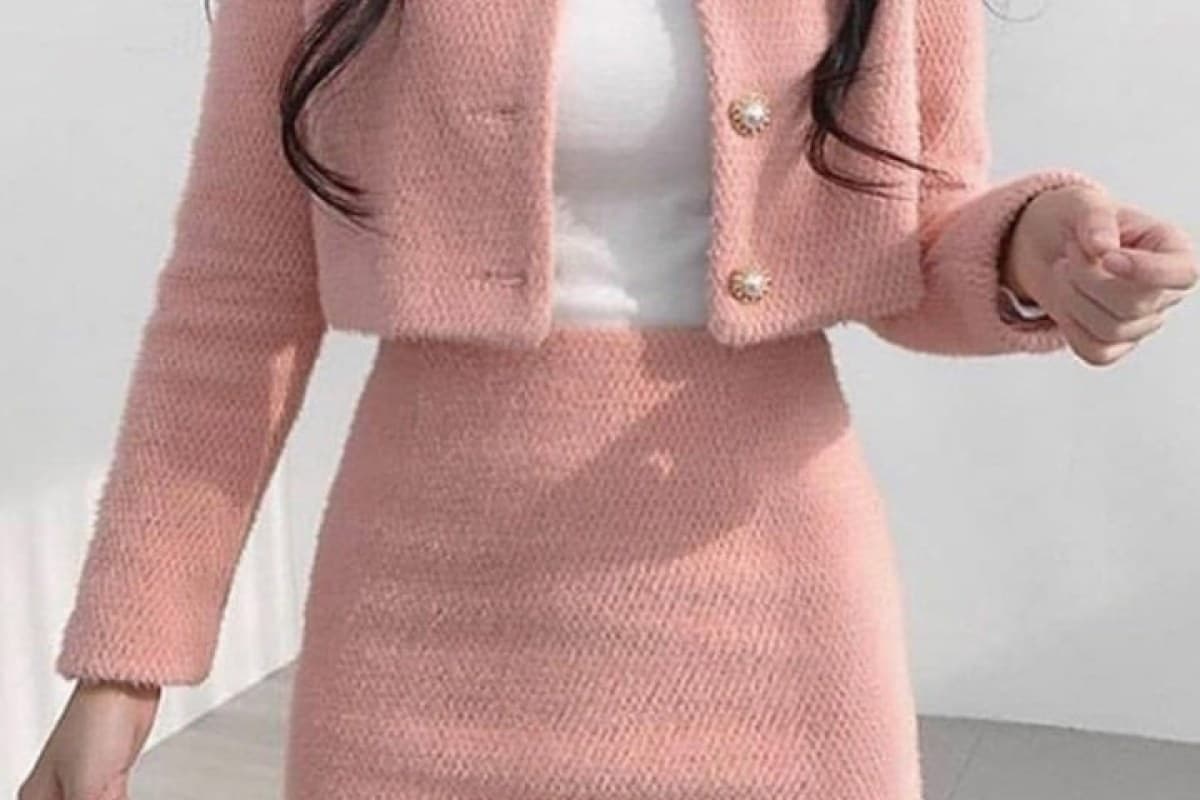
The short answer to cocktail vs evening dress: a cocktail dress is generally knee-length or midi, made for parties, receptions and dinners, while an evening dress is usually floor-length and made for the most formal events, such as black-tie galas, formal weddings and award dinners. Fabric, cut and accessories follow the same split, with cocktail dresses leaning playful and evening dresses leaning grand. The lines blur in practice, so this guide explains how to read the invitation, what each dress code expects and how to choose when the wording is unclear.
Cocktail attire is the middle ground. Wear a knee-length or midi dress, a dressy jumpsuit or a smart separates outfit in an elevated fabric. Heels or dressy flats and a clutch complete it. A floor-length dress is not wrong at a cocktail event, but a shorter hem is the expected look. The men’s version of this is covered in our black-tie versus cocktail attire guide for men, which is helpful if you want to coordinate with a partner.
Semi-formal sits between cocktail and formal. A longer cocktail dress, an elegant midi or a formal jumpsuit is appropriate, and a short evening dress can work at an evening event. Fabric quality matters more than length here.
Black tie calls for a floor-length gown or a very formal equivalent, such as an elegant formal jumpsuit or a tea-length dress in luxurious fabric in some settings. Choose elegant fabrics, polished hair and refined jewelry. When in doubt, go longer.
The host suggests black tie is welcome but not required. A floor-length dress is the safest choice. A dressy midi dress in an elegant fabric can also work, and the more traditional the venue, the more the longer option is advised.
The most formal dress code, usually reserved for state events and very traditional galas. It calls for a full-length ball gown, usually with gloves and formal jewelry. It is rare, and the invitation will typically specify it clearly.
These give room for color, sequins, prints and bold accessories. Check whether there is a theme, and use it as a guide to the level of creativity expected.
Fabric is the clearest signal of formality. Matte crepe, jersey, cotton blends and simple satin read as more casual and suit cocktail events. Velvet, silk satin, taffeta, brocade, heavy lace and layered chiffon suggest evening. Sequins and beading raise formality but depend on the style: a short sequin dress is a party dress, while a floor-length beaded gown is a formal one. Always check the fabric composition on the product page and consider how the dress will feel after several hours of sitting and standing. Our women’s dress guide covers fabrics and fit in more depth.
Some pieces cross the boundary. A midi dress in silk or satin, styled with high heels and statement earrings, can suit a black-tie-optional event. Going the other way, a long, simple dress in crepe or satin can suit a cocktail party if you keep the accessories understated and the shoes flat or low. The main factors are fabric and formality, not just length. A black tea-length dress in velvet reads as more formal than a floor-length cotton dress.
If you own only one dress for such events, choose a midi-length style in a mid-weight satin or crepe in a dark, versatile color. Change the shoes, jewelry and wrap, and it can move between the cocktail and semi-formal categories. For a longer gown, choose a simple column shape you will wear more than once, since dramatic styles are memorable and therefore harder to re-wear at the same social circle.
Yes, though most guests will wear knee-length or midi styles. A long dress in a lighter, simpler fabric works well and will not look out of place.
Usually cocktail, especially in a light fabric. A midi in a luxurious fabric such as satin or velvet with formal accessories can be appropriate at semi-formal and some black-tie-optional events.
A floor-length dress or a very dressy midi. Follow the dress code on the invitation, and avoid white, ivory and any color the couple has asked guests not to wear.
A party dress is a casual term for any dress worn to a celebration. A cocktail dress is a specific dressier category, usually in nicer fabric, meant for semi-formal events.
Browse the ADDMPS dresses collection for cocktail and occasion styles, and read the fabric details on each page before you decide.
Edited by the ADDMPS Style Team.
Shop an outfit around one piece with ADDMPS: choose star or backdrop, set your colours, match formality, then finish with shoes and one smart accessory.

Steam or dry clean your blazer? ADDMPS explains when each is right, how to steam at home step by step, and which fabrics need extra caution before you start.