
Build an Outfit Around One Piece: 5 Simple Steps
Shop an outfit around one piece with ADDMPS: choose star or backdrop, set your colours, match formality, then finish with shoes and one smart accessory.
Business casual for men without a suit: the right shirts, trousers, shoes and layers, four seasonal outfit formulas and a five-day rotation from ADDMPS.
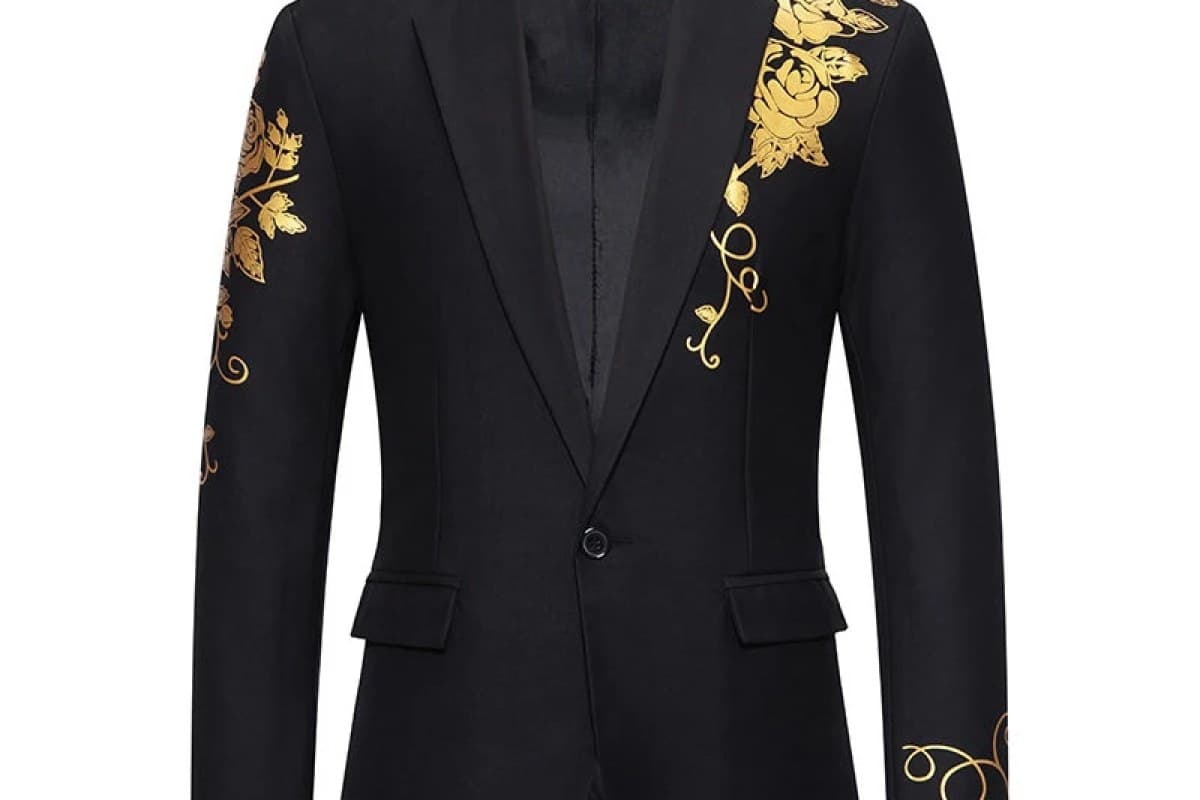
Business casual for men without a suit comes down to one formula: a collared shirt or fine knit, tailored trousers in a solid colour, leather shoes, and one structured layer when the day needs it. No tie, no matching jacket and trousers, and no denim-and-tee shortcuts. The rest is choosing the right versions of each item for your climate and your office. Below are the building blocks, four seasonal formulas and the mistakes that separate polished from sloppy.
Dress codes sit on a ladder. Business formal is the suit and tie. Business professional is a suit, possibly without the tie in some settings. Business casual sits below that: you keep the polish but drop the matching suit. Below business casual is casual, where jeans and trainers appear. If your workplace uses the phrase “smart casual”, it is usually a slightly looser reading of the same idea; our smart casual guide covers that space.
The real test is whether you could walk into a client meeting at short notice without changing. If yes, you are dressed correctly.
Sleeve length matters as much as style: the cuff should end at the base of the wrist bone, which shows a hint of shirt beyond a jacket.
Stone, navy and olive are the strongest choices. Look for a mid-weight cotton twill and a clean, straight-to-tapered leg. The difference between chinos and dress trousers is covered in chinos vs dress pants.
Grey flannel in winter and lighter tropical wool in warm months bridge the gap to a suit while looking distinct from one. Mid-grey is the most flexible.
Fine-wale cord in navy or brown suits colder months at creative or relaxed offices.
Whichever you choose, avoid cargo pockets, very low rises and hems that pool on the shoe.
Leather is the default. Loafers, plain-toe derbies, brogues and chukka boots all suit. In relaxed offices a slim, all-white or all-black leather sneaker can substitute, provided it is spotless and has a low profile. Match your belt to the shoe colour in tone and finish; our guide to matching belts and shoes explains where it can flex.
Socks should be a solid or subtle pattern in a colour near the trouser, and long enough that skin never shows when you sit.
Light-blue cotton or linen-blend shirt with sleeves rolled, stone chinos in a lightweight weave, brown leather loafers, no socks or no-show socks if the dress code allows. Leave the jacket at your desk and put it on for meetings.
White OCBD, navy chinos, a mid-grey unstructured blazer and brown derbies. The blazer is the reason this counts as business casual rather than casual, and it can come off in a warm room without loss of polish.
Oxford shirt under a charcoal merino crewneck, grey flannel trousers, dark brown leather boots. Add a topcoat for the commute. The sweater collar should let the shirt collar show at the neck, folded flat.
Navy wool-blend trousers (they tolerate damp better than cotton), a knit polo or shirt, a water-resistant mac or trench-style coat and boots with a rubber-tipped or commando sole. Rain is when the sole matters more than the fashion.
A useful trick: pick a jacket that contrasts slightly with the trouser rather than matching. Navy blazer with grey trousers, brown jacket with navy trousers. Matching pieces read as an incomplete suit.
You do not need thirty outfits. Take two pairs of trousers (navy chinos and grey wool), three shirts (white OCBD, light-blue OCBD, a fine-stripe poplin), one merino sweater in charcoal, one navy blazer and two pairs of shoes (brown loafers and dark brown derbies). Here is a week from those pieces:
Rotate shirts so each rests a day between wears, and hang trousers overnight to let creases fall out.
Spend a week noticing what the most senior people wear, then aim for one notch below the top and one above the bottom. If leadership wears blazers, you should own one; if they wear knit polos, do not arrive in a jacket every day. Clients matter too. On a client-facing day, add the blazer regardless of the internal norm, because being slightly overdressed is far less costly than being underdressed. Remote and hybrid teams have a related habit: dress from the waist up for the camera, but keep real trousers within reach for the day you get called into the office.
Only if your workplace explicitly allows them. Where they are allowed, choose dark, plain indigo with no distressing and a clean fit. The details are in our dark denim rules for the office.
No, but owning one gives you the quickest upgrade for meetings. In hot climates a lightweight unlined jacket works.
Generally no. If you want a tie, you have moved up to business professional, so wear the full suit or a jacket, tie and trousers combination on purpose.
Three shirts, two trousers, one blazer, one sweater and two pairs of shoes make about a week of varied outfits, as long as the colours are chosen to mix.
To assemble your office rotation, browse our men’s blazers and pair them with the trousers you already own.
Edited by the ADDMPS Style Team.
Shop an outfit around one piece with ADDMPS: choose star or backdrop, set your colours, match formality, then finish with shoes and one smart accessory.

Steam or dry clean your blazer? ADDMPS explains when each is right, how to steam at home step by step, and which fabrics need extra caution before you start.