
Build an Outfit Around One Piece: 5 Simple Steps
Shop an outfit around one piece with ADDMPS: choose star or backdrop, set your colours, match formality, then finish with shoes and one smart accessory.
Denim, blazer, trench, bomber, biker, puffer and more: ADDMPS explains each women’s jacket type, how it should fit, what to pair it with and which to buy first.
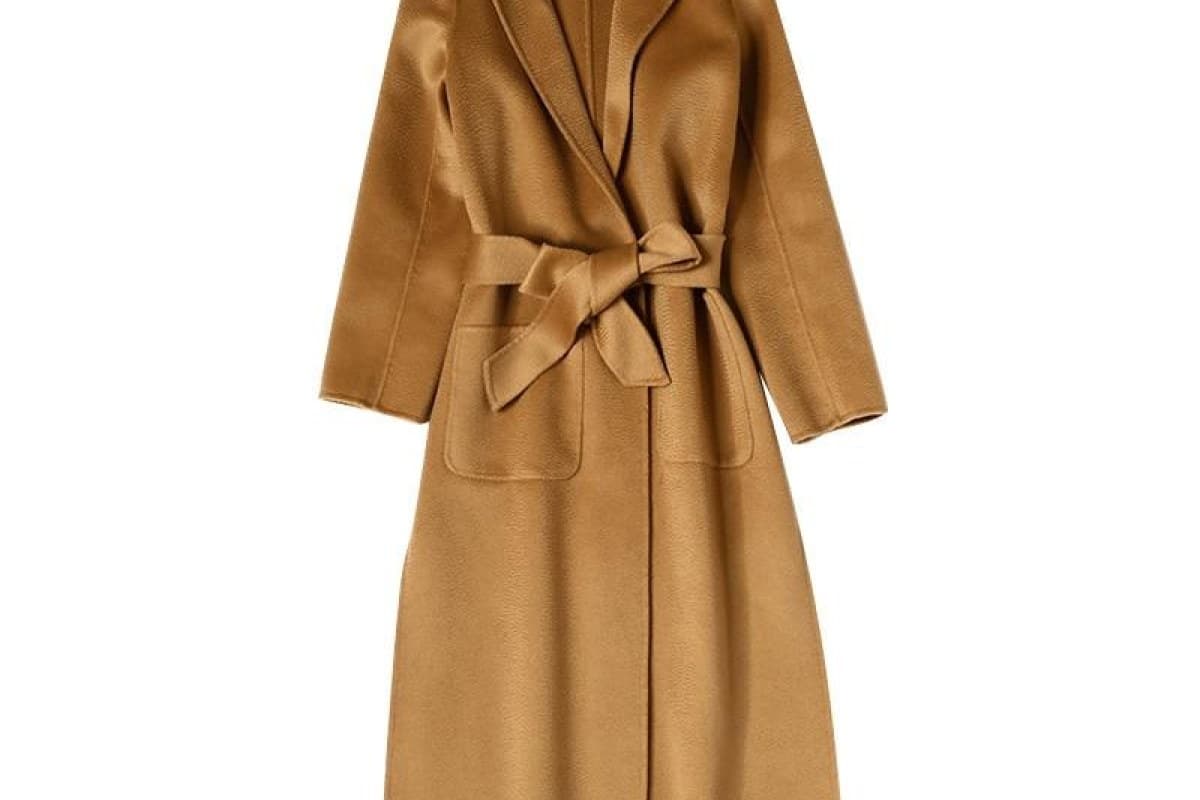
The main types of women’s jackets are the denim jacket, blazer, trench, bomber, leather biker, puffer, quilted jacket, utility or chore jacket, shacket, cropped jacket and the tailored wool coat. Each one solves a different problem: some add polish, some add warmth, some add attitude. The trick is not owning them all but understanding what each is designed to do, so that you can pick the two or three that fit your climate, your dress code and the clothes underneath. This guide describes the shape, fabric, season, best pairings and common mistakes for each type, and closes with a simple way to decide what to buy first.
Jackets are defined by four things: length, structure, fabric weight and closure. A blazer is structured, lightly lined and cut to the hip. A trench is longer, belted and water-resistant. A bomber is short, has a ribbed hem and cuffs, and is unstructured. Once you learn to look at these four features, a name like “shacket” or “chore coat” is easy to decode. Length is the most useful for outfit planning: a jacket that ends at the waist suits high-waisted bottoms, a hip-length jacket suits nearly everything, and a longer one needs a slim leg or a dress underneath.
Shape: waist or hip length, with a seam at the yoke, button front and chest pockets. Available in classic, cropped and oversized cuts.
Season: spring, early autumn, cool summer evenings.
Works with: dresses (particularly floral or slip styles), white tees, midi skirts and black trousers. A denim jacket is a good way to make a formal dress feel casual.
Watch out for: matching a denim jacket with jeans in a different wash. If you wear both, either commit to a clear contrast (light jacket with dark jeans) or match them exactly. Our guide to customizing a denim jacket shows how to make one your own.
Shape: structured shoulders, notch or peak lapels, one to three buttons, usually hip-length. Can be tailored, boyfriend-cut or cropped.
Season: all year in the right weight; lighter cotton or linen for summer, wool for cooler months.
Works with: trousers, skirts, dresses, jeans, even leggings. It is the most adaptable jacket in a wardrobe because it adds shape to nearly anything.
Watch out for: shoulder fit. The shoulder seam should end at the edge of your shoulder, not below it. Our blazer fit guide explains how to check.
Shape: knee-length, double-breasted or wrap front, belted at the waist, with storm flaps and epaulettes in the classic version.
Season: spring and fall, plus rain.
Works with: almost everything. It is a neutral outer layer that covers business wear, jeans and dresses alike. Stone, beige, navy and black are the versatile colors.
Watch out for: length and belt. A trench that ends mid-calf on a petite frame can overwhelm, so choose a shorter version. Belt it at the waist to give shape, or knot it loosely at the back for a more relaxed look.
Shape: short and boxy, with ribbed cuffs, hem and collar, and a zip front.
Season: spring, autumn, and cool evenings.
Works with: high-waisted trousers, midi skirts, slip dresses and jeans. The straight hem meets a high waist neatly. Satin bombers are dressy; nylon ones are sporty.
Watch out for: pairing a bomber with low-rise bottoms and a short top, because the boxy jacket plus a long gap can look unbalanced.
Shape: short, fitted, with an asymmetric zip, notched collar and often zip pockets.
Season: spring, autumn and mild winter days.
Works with: slip dresses, jeans, t-shirts and floral dresses. It brings contrast to soft, feminine pieces. Black is most flexible, and tan or oxblood feels warmer.
Watch out for: stiffness in the shoulders and sleeves. Try it with a bulky sweater underneath to check that you can move freely, and check the product page to see whether the material is genuine leather or a synthetic alternative.
Shape: quilted channels filled with insulation, in cropped, hip-length or long versions.
Season: winter.
Works with: jeans, leggings, knit dresses and boots. For a sleeker look, choose a slim, matte puffer in black, navy or camel and avoid an exaggerated shiny finish.
Watch out for: volume. If you wear a puffer, keep the bottoms slim and structured so the outfit does not become one large shape.
Shape: lightweight diamond-quilted body with a stand collar or a small collar, snaps or zip, and a slim hip-length cut.
Season: autumn and early spring.
Works with: knits, jeans, boots, and countryside or casual weekend outfits. It provides a bit of insulation without bulk.
Watch out for: too many additions such as a scarf and a chunky knit, which crowd the neckline.
Shape: boxy, cotton twill, with multiple patch pockets and a button or zip front.
Season: spring, autumn.
Works with: jeans, wide-leg trousers, midi dresses and sneakers. In olive, khaki or navy, it gives an easy, practical look that suits weekends and travel.
Watch out for: all-khaki outfits that appear like a uniform. Add a softer top or a print for contrast.
Shape: a heavy shirt cut like a jacket, in wool blend, flannel, corduroy or heavy cotton, with a shirt collar and button front.
Season: autumn and early winter, and as a mid layer under a coat.
Works with: tees, jeans, leggings and boots. It is easy to layer, and it also works over a dress as a light coat.
Watch out for: size and sleeve length. An oversized fit is intended, but the sleeves should still end at the wrist bone or slightly beyond.
Shape: ends at or above the natural waist. It can be tweed, denim, tailored or knit.
Season: depends on fabric.
Works with: high-waisted skirts, trousers and dresses with a defined waist. It draws attention to the waist and shortens the torso visually, so it can make the legs look longer.
Watch out for: low-rise bottoms and untucked tops, which make the cropped shape look awkward.
Strictly speaking, these are coats rather than jackets, but many shoppers search for them together. A peacoat is double-breasted, thigh-length and made of heavy wool, while a tailored wool coat is longer and more formal. Both are for winter and suit work outfits and evening wear. Choose a length that covers your dress or skirt hem so nothing peeks out awkwardly below.
Three jackets, one for smart, one for casual and one for weather, cover most situations.
Navy blazer, white shirt, grey trousers and loafers for a classic look. On rainy days, put a stone trench over the top and keep the rest of the outfit simple. For a relaxed office, a shacket in a neutral wool blend over a fine knit and dark jeans looks tidy without being strict.
A denim jacket over a striped tee and a midi skirt, or a utility jacket over a plain top with wide-leg trousers and sneakers. For colder days, put a quilted or puffer layer on top of a knit and swap the sneakers for boots.
A leather biker jacket over a slip dress with heeled sandals, or a cropped tweed jacket over a satin skirt. Choose one dressy piece and one relaxed piece so the outfit does not feel like a costume.
Choose a jacket with pockets that close, such as a utility jacket or a quilted jacket, and wear the bulkiest layer on the plane. A trench folds into a bag more easily than a puffer, but a lightweight puffer can compress into a small pouch.
Neutral jackets are easier to build outfits around, and they tend to be the ones you will reach for most often. Camel, navy, black, olive, cream and mid-grey pair with almost any color in your wardrobe. A brighter jacket, such as red, cobalt or emerald, is best treated as the focal point, with everything else in neutral shades. If you have mostly cool-toned clothes, a grey, navy or black jacket will blend in more, while warm-toned wardrobes usually suit camel, olive and brown. When in doubt, hold the jacket up next to your three most-worn tops and see whether it looks natural with all of them.
A general rule is to place the most structured piece closest to the body and the most relaxed piece on the outside. That means a blazer can sit under a trench or an overcoat, but a puffer cannot easily go under a blazer. A denim jacket can go under a longer coat if the coat has enough room in the sleeves. When layering, size up the outer jacket only if you plan to wear it over other layers regularly; otherwise, a tailored fit looks better. Always test the combination together before you buy, especially the sleeves, which tend to bunch at the wrist.
Layering matters: a jacket that closes only over a thin tee will not work over a sweater. Our layering and outerwear guide explains how to size and combine layers.
Check the product page for fabric composition and care instructions before you buy.
A jacket is generally shorter, ending at the waist or hip and lighter in weight, while a coat is longer, usually covering the hips or thighs, and designed for colder weather. There is overlap, and trench coats and peacoats are common examples.
A well-fitted blazer in a neutral color, followed by a trench coat, since both work across seasons and dress codes.
Shorter women usually look best in cropped or hip-length jackets and knee-length coats at most. Taller women can wear longer coats and oversized jackets more easily. In every case, try the length with the bottoms you plan to wear it with.
Yes. An unstructured blazer in cotton, linen or knit fabric works with jeans and sneakers. Our guide to spring and fall outfits shows a few combinations.
Browse jackets and women’s blazers at ADDMPS to see the styles in this guide.
Edited by the ADDMPS Style Team.
Shop an outfit around one piece with ADDMPS: choose star or backdrop, set your colours, match formality, then finish with shoes and one smart accessory.

Steam or dry clean your blazer? ADDMPS explains when each is right, how to steam at home step by step, and which fabrics need extra caution before you start.