
Build an Outfit Around One Piece: 5 Simple Steps
Shop an outfit around one piece with ADDMPS: choose star or backdrop, set your colours, match formality, then finish with shoes and one smart accessory.
Learn the hem-length rule that makes a skirt and blazer outfit look sharp, plus pairings for pencil, pleated and slip skirts, from the ADDMPS style team.
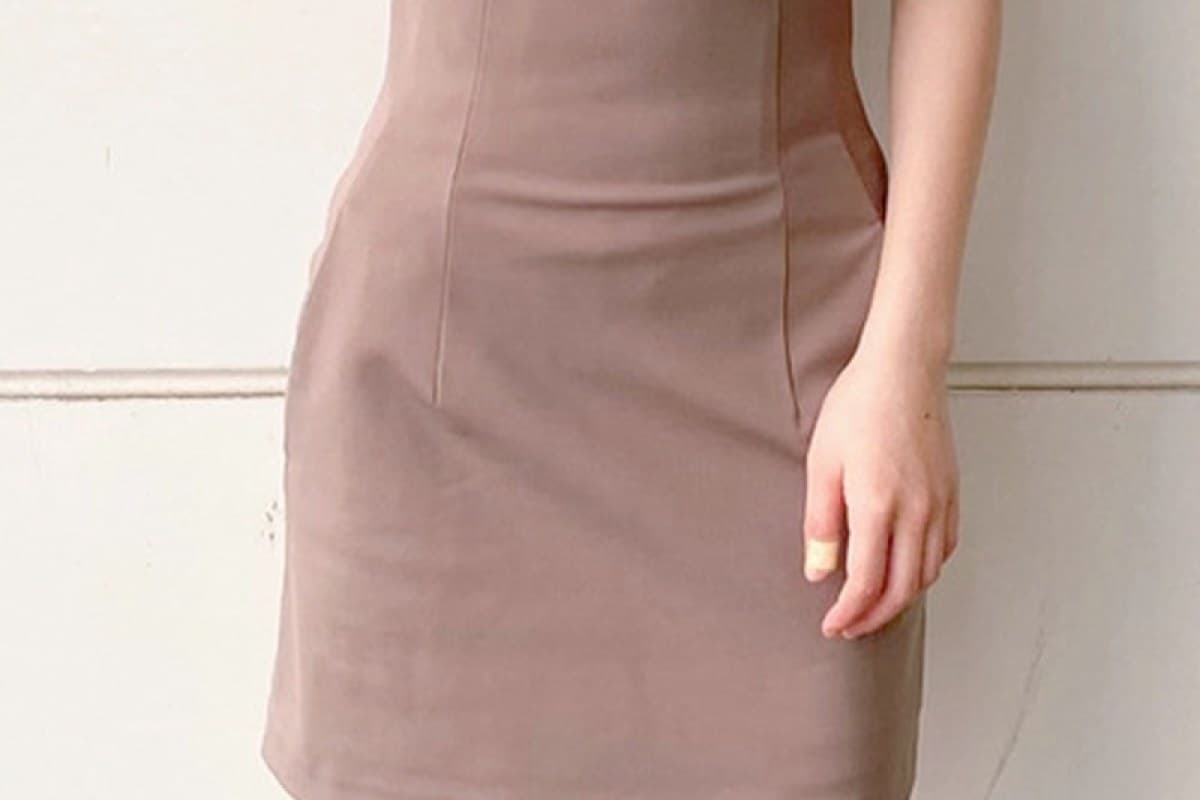
A skirt and blazer outfit works when the two pieces disagree in the right places: one is structured and the other is fluid, or one is long and the other short, or one is dressy and the other relaxed. When both pieces are the same length, the same weight and the same formality, the result looks like a uniform. The fastest way to a good skirt blazer outfit is to choose the skirt first, then pick a blazer whose hem lands at a clearly different point, so your body is divided into pleasing proportions rather than two equal blocks.
Look at where the blazer hem ends and where the skirt hem begins. The most flattering combinations leave a visible difference between them. Three simple pairings cover most wardrobes:
The combination to avoid is a blazer whose hem stops a hand’s width above the skirt hem, with both pieces the same color: it reads as a stiff, stumpy column. If you own that pair, break it up with a belt or a contrasting top.
A pencil skirt is narrow and structured, so it pairs best with a blazer that has room in it. A slightly relaxed, single-breasted blazer in a lighter-weight fabric avoids the overly corporate look. Keep the blazer open, and let a fine knit or a silk-feel blouse show underneath. If your blazer is heavily tailored, choose a pencil skirt in a softer fabric such as crepe so the two do not fight.
Volume at the hem calls for a neat top half. A cropped or short blazer with defined shoulders balances the fullness below. With a pleated midi, a fitted knit under the blazer keeps the torso sleek. If the pleats are fine and light, a structured blazer in a heavier wool or twill gives welcome contrast.
Bias-cut satin has a drape and sheen that looks modern against something matte and slightly slouchy. Try an oversized blazer in a textured fabric, a plain tee or ribbed tank, and flat shoes for daytime. For evening, swap the tee for a camisole and add heels.
A denim skirt takes the formality down, so it is a friendly partner for a blazer you find too serious. A navy or black blazer keeps it looking intentional. Avoid pairing a denim skirt with a blazer in a shiny suiting fabric; the fabrics belong to different worlds.
These carry a lot of visual weight. A relaxed blazer in soft wool, tweed or a textured weave stops the outfit turning severe. A cream or grey blazer over a black leather-look skirt is an easy high-contrast formula.
A matching skirt suit is the quickest route to polished, and it is the right call for interviews, presentations and formal events. Its weakness is limited flexibility: if you split the set, the pieces often fail to combine with anything else because dye lots and fabric textures rarely match across other garments.
Mixing is more versatile. To make it look deliberate rather than accidental, keep at least one thing in common. That might be the color family (a camel blazer and a chocolate skirt), the fabric texture (a tweedy blazer and a wool skirt), or the level of formality. When in doubt, mix two shades of the same color rather than two different colors.
Shoe choice changes the whole formality. Loafers and pointed flats suit a workday; block heels give a sharper look; ankle boots make a midi skirt feel current. With tights, match the tights to either the skirt or the shoes so the leg line continues unbroken. Sheer tights suit a formal setting, while opaque tights make a mini skirt suitable for winter and more conservative offices. Bare legs are perfectly good in warm weather, but the skirt hem and the blazer hem then need to be doing the styling work.
Match the weight of the two pieces. A heavy wool blazer over a floaty chiffon skirt looks mismatched, while a lightweight linen blazer over a thick wool skirt looks like you dressed from two different seasons. When you are unsure, choose a mid-weight crepe or a ponte-style knit, which sits comfortably beside most other fabrics. Check the fabric composition on each product page before you buy, and look for a small percentage of stretch in the blazer if you plan to layer it over a knit.
If you are petite, keep the blazer short enough to show the full length of the skirt’s upper section, and choose a skirt that ends at or just above the knee, or a midi that stops mid-calf with a heel or platform to extend the line. Long jackets need slim skirts, otherwise the outfit becomes all jacket. If you are tall, you have more freedom: a longer blazer, a full midi or a maxi skirt all sit comfortably on a longer frame. The one thing taller women should watch is sleeve length, since jackets built for average proportions often stop above the wrist bone.
Our guide to coordinating neutral colors and accents covers the wider logic behind these pairings.
Yes. Choose a knee-length or midi skirt in a solid wool or crepe, a blazer with clean lines, and closed shoes. Neutral colors and modest slits keep the look conservative. See our women’s office blazer outfits for more workwear ideas.
For a formal setting, fasten the top button on a two-button jacket and leave the bottom one open. For a relaxed look, wear it open or draped over the shoulders. If it pulls at the waist when fastened, it is easier to leave it open than to force the closure.
Knee-length and midi lengths are the most flexible because they let the blazer end at a clearly different point. Mini skirts work with longer, oversized blazers, while maxi skirts suit cropped or waist-length jackets.
Change one anchor piece to something casual: a tee instead of a blouse, sneakers instead of heels, or a denim skirt. Roll or push up the sleeves and skip the tights.
Ready to build your own? Browse skirts and women’s blazers at ADDMPS, and see how to size a jacket properly in our blazer fit guide.
Edited by the ADDMPS Style Team.
Shop an outfit around one piece with ADDMPS: choose star or backdrop, set your colours, match formality, then finish with shoes and one smart accessory.

Steam or dry clean your blazer? ADDMPS explains when each is right, how to steam at home step by step, and which fabrics need extra caution before you start.