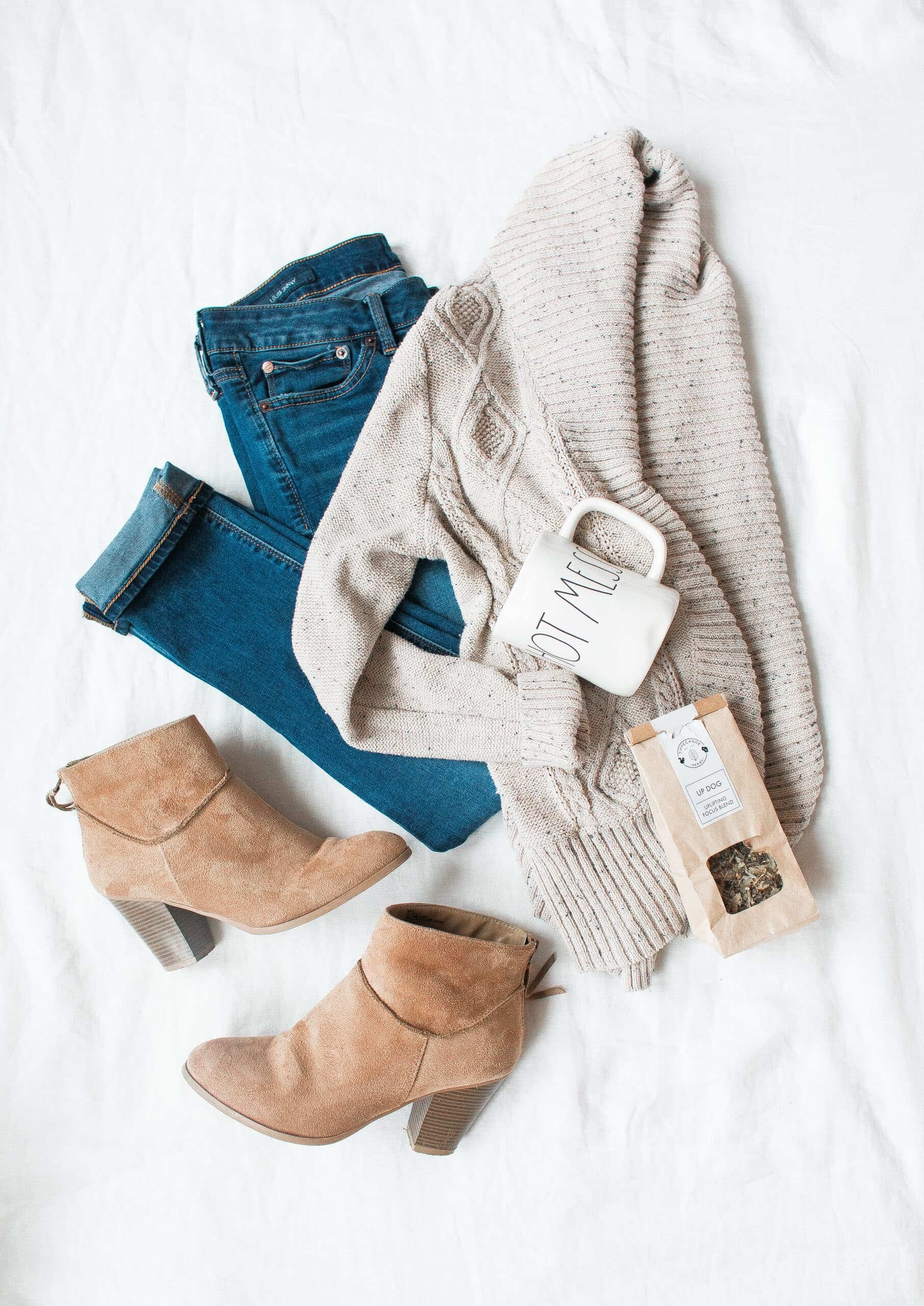
Wardrobe Essentials for Women: A Buyer’s Checklist
Eight wardrobe essentials, each with a practical buying checklist covering fit, fabric and construction, so every ADDMPS piece you choose earns its place.
The wardrobe essentials women actually use are the ones that fit well, feel good on and pair with at least three other things you already own. That is a different test from “is it trendy” or “is it on every must-have list”. This guide takes eight staple garments, one at a time, and gives each a buying checklist: what to look for in the cut, the fabric, the construction and the details, plus the common flaws that make an otherwise good-looking piece disappointing after a few wears. It is a spotlight on the pieces, not a capsule plan; for the planning side, see our minimalist wardrobe of ten pieces.
How to use these checklists
Each checklist is written to be used in a shop or at home in front of a mirror. Treat the items as a filter, not a scorecard: if a garment fails on the first two points (usually fit and fabric), do not talk yourself into it. Check the fabric composition and care label on the product page before you buy, and try to compare at least two options in the same category before committing.
Tailored pieces: blazer, shirt, jeans and trousers
1. The tailored blazer
A blazer is the piece that makes casual clothes look intentional. It can sit over a tee and jeans, a slip dress or a shirt and trousers.
What to look for
Shoulder seam: it should end at the edge of your shoulder bone. If it droops onto your arm, the jacket is too big, and no tailor can easily fix it.
Closing test: button it and raise your arms to shoulder height. It should move with you without pulling into an X across the front.
Length: a length that lands between the hip bone and the mid-thigh flatters most people. Cropped jackets suit high-rise bottoms; longer jackets suit slim bottoms.
Lining and finish: a fully or partly lined jacket hangs better and slides over knitwear. Look at the inside seams for clean finishing and check that pockets are actually open, not stitched shut for display.
Color: black, navy or charcoal are the most versatile. Camel or gray gets you more casual looks.
Opacity: hold it up to a window. If you can see your hand clearly through it, you will need a matching camisole under it every time. A slightly thicker cotton or a blend with body works better.
Collar structure: a collar that stands and holds its shape looks sharp on its own. A floppy collar suits a relaxed look but can look tired after washing.
Shoulder and sleeve: the same shoulder rule as a blazer. Sleeves should reach the wrist bone when your arms hang down or be intentionally cropped.
Button spacing: check for gaping across the bust by lifting your arms and hugging yourself. If it pulls, go up a size or look for a shirt with a hidden placket.
Tone: a pure optical white is crisp but unforgiving; a soft ivory is easier against most skin tones.
3. Dark straight-leg jeans
What to look for
Rise: high or mid-rise, sized so the waistband sits flat when seated with no gaping at the back.
Fabric weight and stretch: denim with a small amount of stretch is more comfortable for long days, but very stretchy denim can bag out at the knee. Check the composition and how the denim recovers when you squat.
Wash: a dark indigo or black with no heavy fading or rips works with a blazer as well as sneakers.
Hem: straight or slightly flared so it can sit over ankle boots. Check the length with the shoes you will wear.
Seams and pockets: pockets should lie flat, and rear pockets should sit centerd rather than too high or too low for your build.
4. Tailored trousers
What to look for
Waist and seat: you should be able to sit down and pinch a small amount of fabric at the thigh. No horizontal pulling lines across the hips.
Crease and drape: a fabric that holds a crease (wool or a wool blend, or a good crepe) keeps looking smart; very thin polyester can look shiny and cling.
Leg shape: straight or gently tapered is the safest; a wide leg is more current-feeling but needs the right shoes to avoid dragging.
Hem: either just grazing the shoe top or an inch above the ankle. Hems that bunch at the shoe suggest they need altering.
Lining: a half lining to the knee reduces cling and helps trousers keep their shape.
Compare a few cuts side by side, and check each product page for fabric.
Softer pieces: dress, knit, coat and shoes
5. The versatile dress
One dress that works for both an office and a dinner is worth more than three occasion-specific ones. A knee-length or midi wrap, shirt or fit-and-flare shape in a solid color or a small print does most of the work.
What to look for
Waist definition: an elastic, tie or seam that lets you adjust the fit, so weight fluctuations or a big lunch do not ruin it.
Neckline: a neckline that stays put when you lean forward. Do the bend-over test.
Hem length and movement: check that the hem falls evenly and does not ride up when you sit.
Opacity and lining: a lining or a good-weight fabric stops the see-through problem in bright light.
Print scale: small, tone-on-tone patterns are the easiest to pair.
Fiber: merino wool, cotton or a blend. Check the label; blends with some nylon can be more durable but may pill differently.
Gauge: a fine gauge slips under a blazer without bulk. A chunkier knit works as a standalone.
Neckline and ribbing: ribbing at the neck and hem should spring back when stretched. Loose ribbing is the first thing to look tired.
Pill test: rub a small area between your fingers; if it starts pilling straight away in the shop, it will pill in wear.
7. The trench or a lightweight coat
What to look for
Room for layers: try it over a blazer or a chunky knit, not just a tee.
Belt and buttons: a belt gives you shape; the buttons should be sewn firmly, and buttonholes should be neatly finished.
Fabric: a tightly woven cotton or a cotton blend sheds light rain; check whether it is water-resistant or just water-repellent, and do not assume.
Length: knee-length is the most versatile, covering skirts and dresses.
Lining: a removable lining makes it usable across two seasons.
8. Two pairs of shoes: ankle boots and a clean flat
What to look for
Leather or good-quality upper: it molds to the foot and can be resoled or repaired.
Heel height: up to about five centimeters (two inches) gives an easy day-to-night range.
Width and toe box: you should be able to wiggle your toes. The pointed toe looks smart but must be roomy enough to stand in.
Sole: a rubber or textured sole helps on wet sidewalks.
Interior: feel inside for seams that rub, and consider adding insoles if you walk a lot.
The cost-per-wear check
Divide the price by the number of times you realistically expect to wear a piece. A jacket worn 100 times at a higher price beats a cheaper top worn five times. Be honest with your estimate: if you can only think of one outfit for a piece, it is not an essential. If you want a broader plan for how these fit together, our women’s capsule wardrobe guide goes from essentials to outfit combinations.
Wardrobe essentials FAQ
How many basics do I really need?
Most people function well with around eight to twelve well-chosen basics and a few personality pieces. The number matters less than whether the basics fit and you can mix them freely.
Should I buy the most expensive version of every essential?
No. Spend the most on the pieces you wear most often and that are hardest to fake, such as a coat, shoes and a good pair of trousers. A plain tee or a simple camisole can come from a lower price bracket as long as it fits and washes well.
What is the best first essential to buy?
The piece that fills the biggest gap in your current outfits. For many people that is a well-fitted blazer or a pair of trousers that works from work to weekends.
How do I know if a garment will last?
Check the seams by gently pulling them apart, the thread quality at stress points such as pocket corners, whether patterns match at seams, and whether the fabric feels stable rather than thin and floppy.
Browse the ADDMPS women’s collection with these checklists in mind, and start with the piece that would let you wear three things you already own in a new way.
Shop an outfit around one piece with ADDMPS: choose star or backdrop, set your colours, match formality, then finish with shoes and one smart accessory.
Steam or dry clean your blazer? ADDMPS explains when each is right, how to steam at home step by step, and which fabrics need extra caution before you start.
Cookies on ADDMPS
We use necessary cookies for cart, checkout, and security. With your OK, we also use analytics cookies (Google Analytics) to understand traffic and improve the store. See our Privacy Policy.