
Build an Outfit Around One Piece: 5 Simple Steps
Shop an outfit around one piece with ADDMPS: choose star or backdrop, set your colours, match formality, then finish with shoes and one smart accessory.
Learn men’s winter layering the slim way: thin merino, a trim shirt and a well-sized coat that stack cleanly. ADDMPS shows the order, fits and colours to use.
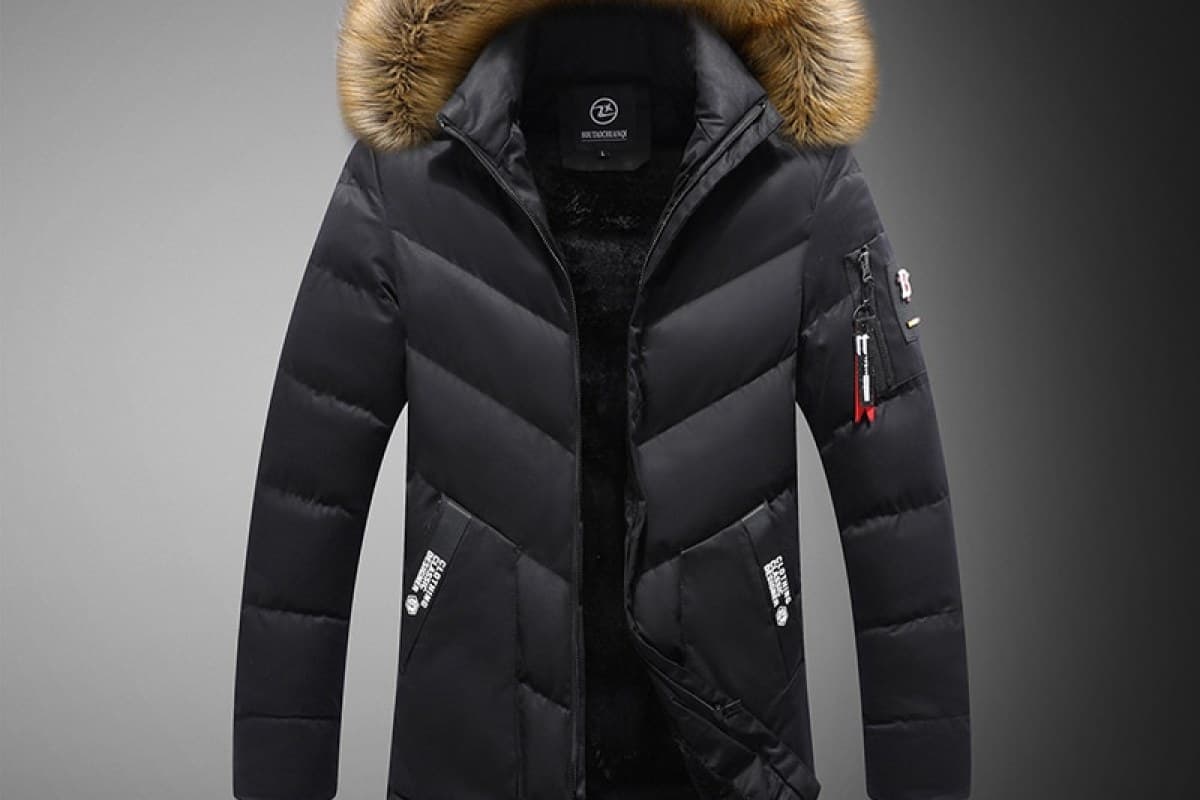
The secret to men’s layering for winter that does not look like you are wearing a duvet is simple: use several thin, dense layers instead of one or two thick ones. Each layer should trap a little warm air, slide over the one beneath it, and add no more than a few millimetres of visible volume. A fine merino knit, a shirt and a well-cut coat will out-perform a chunky sweater under a shell, and they will look far better doing it.
This guide breaks down the three-layer system, how to size each layer so they stack, the order that works, and the specific mistakes that create that puffy, shapeless look.
Every cold-weather outfit is built from three jobs, and it helps to think of them separately:
Bulk usually comes from a mid layer that is doing the outer layer’s job, or from an outer layer chosen without thinking about what goes under it. Fix those two things and most of the problem disappears.
Fibre choice matters more than thickness. Fine merino wool, cashmere blends and lambswool trap warmth in a very thin knit, and wool keeps insulating better than cotton when it gets slightly damp from a commute or a damp coat. Heavy cotton sweatshirts and thick cable knits are warm mainly because they are thick, which is exactly what you are trying to avoid.
Layers should fit progressively looser from the inside out, but only slightly. The mistake is buying every layer in the same “normal” size and expecting the maths to work.
Shoulders are the tell. If the coat’s shoulder seam pulls in toward your neck when you reach forward with your layers on, the coat is too small for the system and you will look stuffed rather than layered. Our guide to how a suit jacket should fit covers the shoulder check in detail, and the same principle holds for coats.
The classic order is dress shirt, lightweight sweater, then blazer or coat. Tuck the shirt into your trousers and let the knit fall over it, so no shirt tail adds a lump around your waist. Choose a crew or V-neck knit whose neckline sits below the shirt collar, so the collar frames your face.
A thin vest works between the knit and the coat for extra core warmth, or on its own over a shirt in mild weather. Keep it in a single dark colour so it disappears under an outer layer.
Your thickest garment should be the outer layer, where it has room to sit. Putting a thick sweater under a snug jacket forces both garments to fight for the same space and creates wrinkles across the chest and back.
Tonal dressing shrinks the visual mass of layers. When the shirt, knit and trousers sit in a similar colour family, such as navy with charcoal and grey, the eye reads them as one silhouette instead of several separate blocks. Contrast is best saved for the collar and cuffs, where a pale shirt peeking out from a dark knit gives definition and frames your face.
Thin merino base layer, oxford shirt, fine-knit crewneck, tailored overcoat and leather boots or derbies. The knit shows only at the collar, so the outfit still reads as tailored. Our explainer on overcoats versus topcoats can help you choose the shell.
Tee, flannel shirt worn open, a quilted liner vest and a waxed or cotton field jacket. Leave the flannel unbuttoned so it becomes a mid layer instead of adding another closed front panel.
Thermal base layer, brushed shirt, thin vest, knit, and a roomy wool overcoat. Since this is the maximum-warmth setup, buy the coat a size that fits with everything on, and use a scarf and hat to close gaps instead of adding another torso layer.
Fine polo or tee, unstructured blazer, and a light bomber jacket or shacket on top.
Buy outer layers first, because they set the space available for everything else. Then choose thin knits and shirts that suit the shell. Browse men’s jackets and check whether the product photos show a slim knit or shirt underneath. If in doubt, order the size that lets you fit a fine sweater underneath, and check the product page for fabric details and lining before you decide.
For the broader system that connects coats, blazers and knits, read our practical guide to layering outerwear.
Three is enough for most days: a shirt or base layer, a knit, and a coat. In severe cold, replace the knit with a thin vest plus a thermal base rather than adding a fourth thick layer. Warmth comes from trapped air, so thin layers stacked with a little space between them work better than one heavy item.
Yes, and it is one of the cleanest layering setups if the coat is cut with room. Try the coat on with the blazer on, and check that the blazer’s sleeves do not ride up into your armholes. Coats with a slightly fuller chest and a raglan or natural shoulder tolerate a blazer best.
Dark, tonal combinations such as navy, charcoal and black. A single colour family on your torso reads as one shape, so the layers look intentional rather than piled on. Add lighter colours at the collar or in a scarf.
No. Tuck the shirt, but leave a fine-gauge sweater out so it drapes over the waistband smoothly. If the sweater is long enough to hang below the jacket hem, it is too long for that outfit.
Ready to build a cold-weather rotation? Start with a shell in the ADDMPS men’s collection and pick the thin layers to go under it.
Edited by the ADDMPS Style Team.
Shop an outfit around one piece with ADDMPS: choose star or backdrop, set your colours, match formality, then finish with shoes and one smart accessory.

Steam or dry clean your blazer? ADDMPS explains when each is right, how to steam at home step by step, and which fabrics need extra caution before you start.