
Build an Outfit Around One Piece: 5 Simple Steps
Shop an outfit around one piece with ADDMPS: choose star or backdrop, set your colours, match formality, then finish with shoes and one smart accessory.
Wool clothing care that protects your blazers and dresses: airing, brushing, spot cleaning, hand washing, storage and moths. Shop long-lasting pieces at ADDMPS.
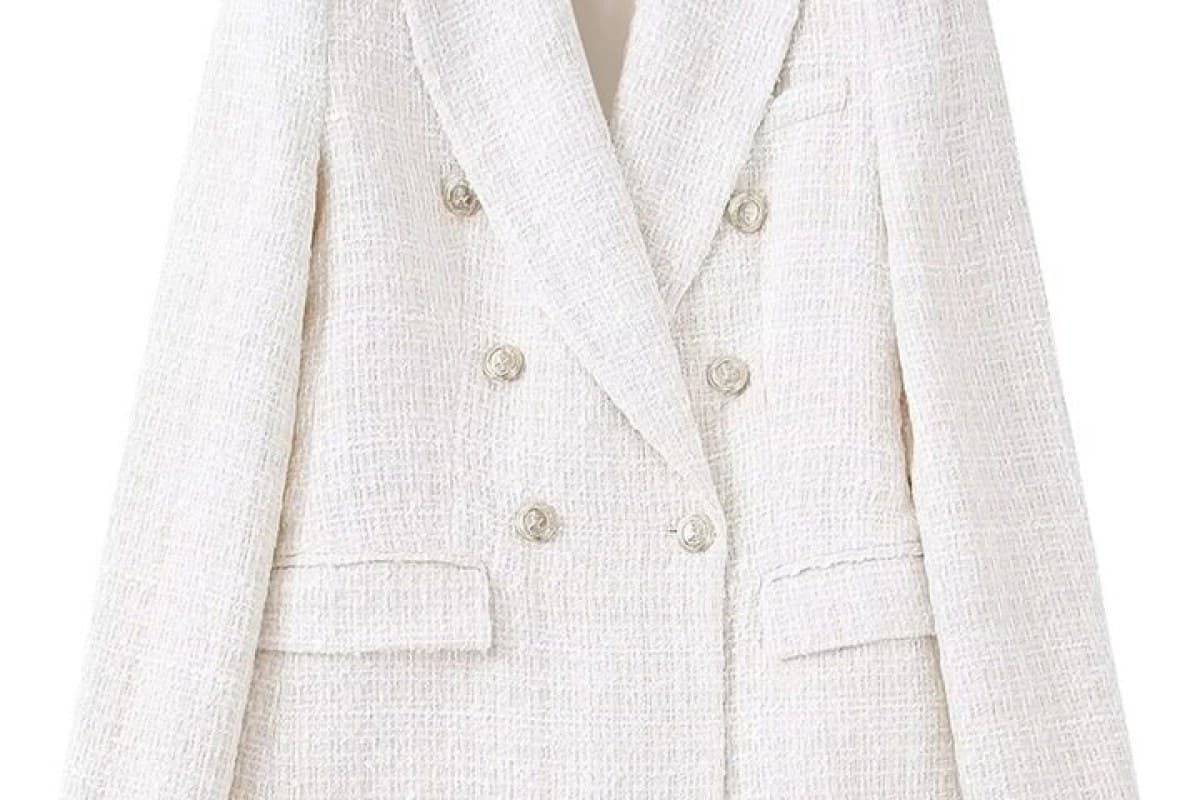
The core of wool clothing care is simple: wool cleans itself better than most fabrics, so wear it, air it, brush it and spot-clean it, and wash or dry-clean only when it is genuinely dirty. Too much cleaning damages wool faster than wearing it. Heat, agitation and rough handling cause the problems people blame on the fabric, such as shrinkage, felting and pilling. This guide covers how to air and brush wool blazers and dresses, remove marks, wash a knit safely, store wool through the seasons, and keep moths away, with the exceptions for cases where a label says something different.
Wool fibres are crimped and springy, which lets them shed creases and release odour when they hang in fresh air. The fibre also resists dirt better than many others, and light soil often brushes off once it dries. That is why the standard advice for a wool blazer is to air it after each wear, and clean it only a few times a year at most. Sweat and food stains are a different matter, since they should be treated soon, because they attract pests and can set.
Empty the pockets and do not overload them, because heavy items pull the fabric out of shape.
Act quickly, and be gentle.
Read the care label first. Labels tell you what the manufacturer tested. If the label says dry-clean only, follow it, because structured garments have canvas, lining and interfacing that respond differently to water. Our guide to reading fabric labels explains the symbols and the difference between wool and blends. For the decision on when to steam and when to send a garment out, see steaming vs dry cleaning blazers.
Wool knit dresses and sweaters are often hand-washable. Wool suiting and tailored blazers are usually not.
Only do this if the label allows it.
Never tumble-dry wool unless the label explicitly permits it. Heat plus tumbling is the fastest way to shrink it.
Steam relaxes creases and refreshes a garment between wears. Hold a steamer a few centimetres away, or hang the garment in a steamy bathroom. If you must press, use the wool setting, cover the fabric with a clean cloth and press from the inside, since direct iron contact can leave shiny marks. Do not steam a wet garment until it has dried.
Small balls of fibre form where fabric rubs, such as under arms, at the sides and where a bag strap sits. Pilling is common, especially with soft, short-fibre knits and blends, and it does not mean the garment is poor quality. Remove pills with a fabric comb or an electric shaver made for clothes, working lightly on a flat surface. Do not pull them off by hand, which can loosen the fibres, and do not cut them with scissors close to the fabric.
Clothes moth larvae eat the protein in wool, hair and fur, and they favor soiled fabric in dark, undisturbed places. Prevention matters more than cure.
Wool can fade in strong sun, so avoid leaving it in a bright window. If it gets wet in the rain, shake it and hang it to dry at room temperature, away from heat, and brush it when it is completely dry. Rotate your jackets and dresses, because wearing the same one every day does not give the fibres time to recover, and repeated rubbing at the elbows and sides shows up fast. Consider pairing a wool blazer with a lining or a layer of clothing that reduces friction at the collar. For layering ideas, see our layering outerwear guide.
When you shop, check the composition on the product page. A blend with a small amount of synthetic fibre can add durability and reduce creasing, while pure wool feels different and often needs more care. Choose garments with lining in the jacket and enough seam allowance to alter. Look through the women’s blazer collection and read our blazer fit guide to choose a shape that suits you before thinking about care.
Only when it is visibly dirty, has a persistent odour or has had a stain that spot-cleaning did not remove. For many people, that is two or three times a year, and airing and brushing handle the rest.
Only if the care label says machine washable, and use a wool cycle, cool water, a mesh bag and low spin. If in doubt, hand-wash or use a professional cleaner.
Heat, agitation and sudden temperature changes cause fibres to felt. Once felted, it is very hard to reverse, so prevention is the only reliable answer.
Some wool feels scratchy on sensitive skin, especially coarser grades. Fine, soft wool or blends feel gentler, and a thin layer underneath helps.
Choose pieces you will wear for years from the ADDMPS women’s collection, and keep the care label handy.
Edited by the ADDMPS Style Team.
Shop an outfit around one piece with ADDMPS: choose star or backdrop, set your colours, match formality, then finish with shoes and one smart accessory.

Steam or dry clean your blazer? ADDMPS explains when each is right, how to steam at home step by step, and which fabrics need extra caution before you start.