
Build an Outfit Around One Piece: 5 Simple Steps
Shop an outfit around one piece with ADDMPS: choose star or backdrop, set your colours, match formality, then finish with shoes and one smart accessory.
Choose one watch that works with most outfits: sizes, dial colours, strap choices and features that matter. ADDMPS gives first-time buyers a simple checklist.
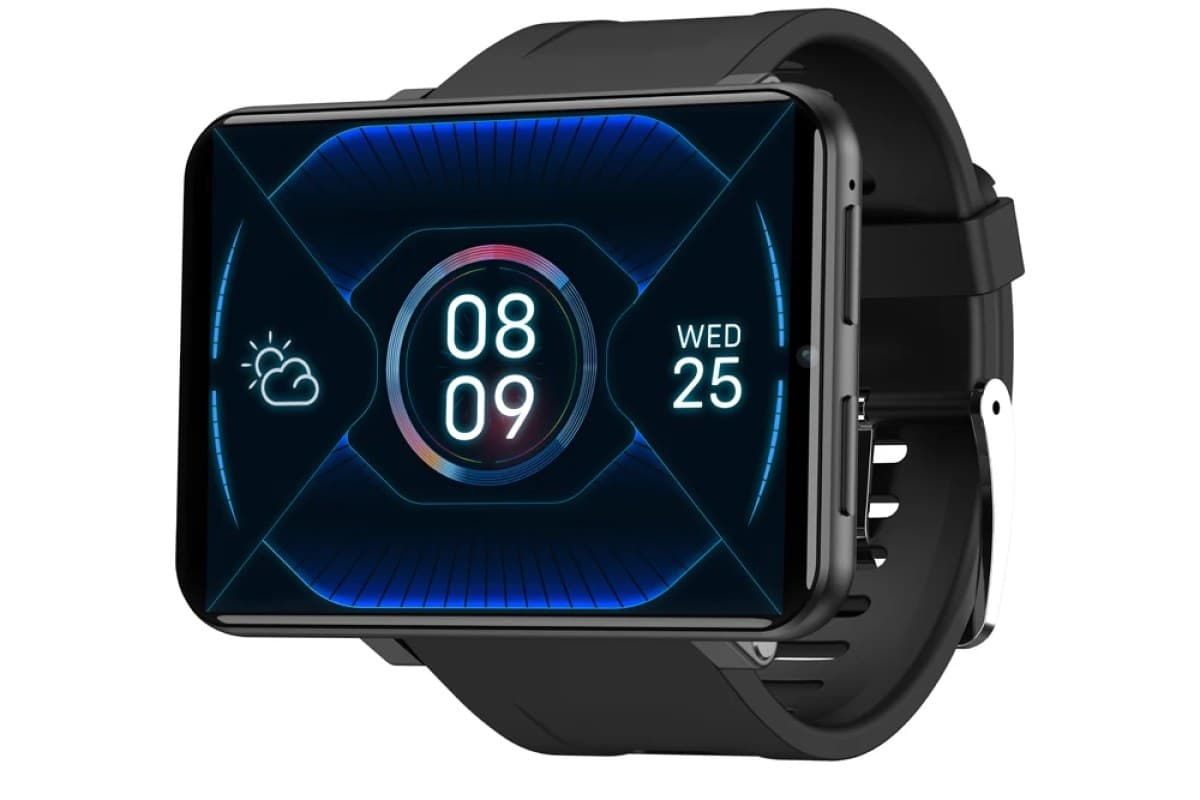
The best everyday watch is one you will actually wear on most days: legible at a glance, comfortable through a full day, tough enough for your routine and neutral enough to sit with everything in your wardrobe. That usually points to a case between 36 and 41mm, a clean dial in a versatile colour, a case thin enough to fit under a cuff, a strap or bracelet that suits your climate and job, and a low-fuss movement. This guide helps you make that choice when you are buying your first watch or when you want one watch to do almost everything.
Before comparing watches, describe your typical week. Do you sit at a desk, work in a shirt and tie, wear a uniform, or spend time outdoors? Do you go to the gym in your watch, or take it off? Do you travel often? The answers rule out a surprising number of options.
A single watch has to look right in a shirt sleeve, over a jumper sleeve and on a bare wrist. That is why 36 to 41mm is the most flexible range for most adult wrists. Go smaller if your wrist is slim, and up to about 42mm if it is large. Check lug-to-lug and thickness as well as diameter; both affect comfort and whether the watch fits under a cuff. Our watch size guide shows how to measure.
Pick a dial that contrasts with the hands so you can read the time instantly. Luminous hands are useful if you check the time in low light, but not essential.
This is the decision that affects daily comfort most.
If you want the watch to handle both an office and a weekend, choose one that can accept a strap change. Standard lug widths make it easy to swap between a bracelet, a leather strap and a casual fabric one.
For a single daily watch, quartz is the practical option: it keeps accurate time, tolerates knocks and does not stop if you skip a few days. An automatic is a good choice if you like mechanical watches and wear the watch daily, so it stays wound. Read our comparison of automatic vs quartz watches to decide. Whichever you choose, check the product page for movement details rather than assuming.
These are illustrative profiles, not real customers, but they show how the criteria above change the answer.
Office three days a week in a shirt and chinos, hiking or cycling at weekends, travels a couple of times a year. A 38 to 40mm steel watch on a bracelet with a white, grey or navy dial covers all of it. The bracelet handles sweat and rain, the clean dial passes in a meeting, and a spare leather strap can be added for dressier days. Quartz makes sense because the watch will sometimes sit in a drawer for a week.
Suit or shirt and tie every working day, rarely near water. A slim 36 to 39mm case on brown or black leather with a plain dial is the natural fit. The leather is the priority, so rotate it with a second strap if you can and keep it out of the rain. Thickness under about 10mm keeps the cuff smooth.
Jeans, tees, knitwear and trainers most days. Here a slightly larger case, a fabric or rubber strap, a black or green dial and a simple date can suit. A digital model can also fit if you like a technical look and keep the clothes plain.
A watch that looks right in a photo can still be wrong on your wrist, so treat the first week as a fitting period. Wear it through a full working day and notice the following:
If something is off, sort it out early rather than hoping you will get used to it.
Most adult wrists suit 36 to 41mm. Slim wrists lean toward the lower end and larger wrists toward the upper end, and lug-to-lug length matters as much as diameter.
Not necessarily. If you want a fuss-free, accurate daily watch, quartz is a sound choice. Choose automatic if you enjoy the craft and are happy to wear it regularly.
It is a different product with different trade-offs: regular charging and software that ages. A traditional watch is quieter and suits more dress codes.
Dark brown leather and a steel bracelet are the most flexible. Black leather is smarter but pairs best with black shoes.
Browse our men’s watches and women’s watches to find something that fits these criteria, keeping in mind that our range is compact, so use this checklist to shortlist. For outfit ideas once you have your watch, see the guide to pairing watches with formal and casual outfits.
Edited by the ADDMPS Style Team.
Shop an outfit around one piece with ADDMPS: choose star or backdrop, set your colours, match formality, then finish with shoes and one smart accessory.

Steam or dry clean your blazer? ADDMPS explains when each is right, how to steam at home step by step, and which fabrics need extra caution before you start.