
Build an Outfit Around One Piece: 5 Simple Steps
Shop an outfit around one piece with ADDMPS: choose star or backdrop, set your colours, match formality, then finish with shoes and one smart accessory.
Learn how dress and sport watches differ in thickness, dial, strap and dress code, and pick the right one for each outfit. A clear, practical guide from ADDMPS.
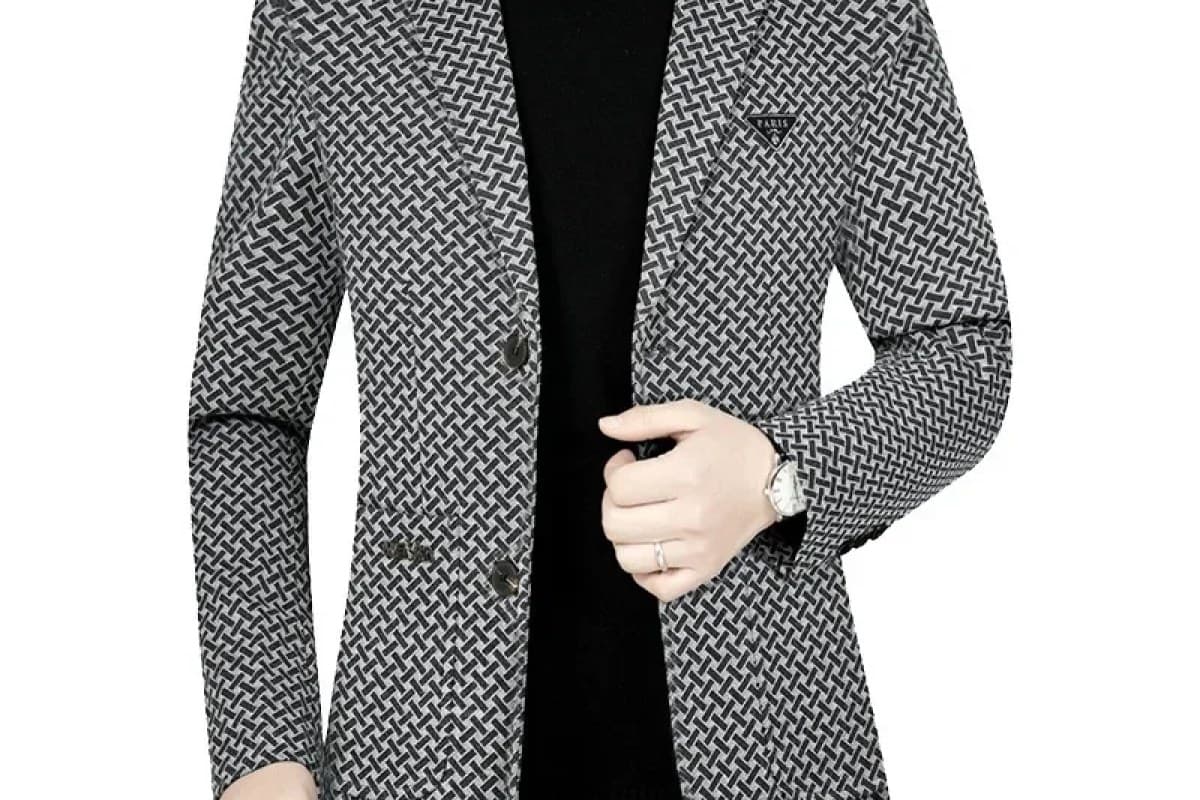
The difference between a dress watch and a sport watch is really a difference in purpose. A dress watch is designed to stay quiet: slim, uncluttered, and happy to disappear under a shirt cuff. A sport watch is designed to be used: bigger, tougher, easier to read at a glance and better protected against water and knocks. Once you know what each type is built to do, choosing the right one for an outfit or dress code becomes straightforward, and the grey areas in between stop being confusing.
Dress watches follow a set of design habits that come from the era when a watch was worn with a suit and nothing else. Look for these signs:
The point is proportion and calm. Nothing on the dial competes with the person wearing it.
Sport watches, sometimes called tool watches, put function ahead of restraint. The category includes divers, chronographs, pilots’ watches and rugged field or outdoor designs. Common features:
Only a dress watch is appropriate here, and many traditionalists would leave the watch off entirely. If you do wear one, choose the slimmest possible case on a black leather strap, in a metal that matches your studs and cufflinks.
A dress watch is the safest choice. A clean-faced steel watch with a plain leather strap or a fine bracelet reads as professional. A chunky diver or a multi-dial chronograph can distract from a formal outfit, so save it for after work.
This is where the two categories overlap. A simple sport-leaning watch with a clean dial, on either a leather strap or a slim steel bracelet, works well. The question is bulk: if it slides under a cuff and the dial stays clean, it is doing its job.
Sport watches shine here. Resistance to knocks and moisture, plus easy legibility, matter more than elegance. A dress watch on a leather strap will not enjoy a beach day or a gym session.
Not every watch fits neatly. A few hybrid designs are worth knowing because they solve the “one watch for everything” problem:
A useful test: put the watch on and slide your cuff over it. If the cuff closes without bunching and the dial looks calm, the watch dresses up. If the case is tall and the dial busy, it belongs to the sport side, no matter what the marketing calls it.
The same case can change character with a strap swap. A simple steel watch on a black leather strap reads dressy; the same watch on a steel bracelet reads sporty; the same watch on canvas or rubber reads outdoorsy. If you own one watch, having a leather and a bracelet option lets you cover formal and casual settings without buying a second case. Check strap width before ordering a replacement, and read our guide to leather watch strap care and replacement if you plan to switch.
Answer these three questions honestly. Do you wear tailoring at least three days a week? If so, start with a dress watch. Do you spend most of your time in casual clothes, outdoors or on the move? A sport-leaning watch will earn its keep faster. Are you unsure? Choose a slim, clean-dialled steel watch and let strap changes handle the rest. If you build a collection later, the three-piece watch wardrobe shows how dress, daily and sport pieces fit together.
Occasionally, yes, if it is slim enough to clear the cuff and the dial is simple. A steel case on a bracelet with a plain dial can work in relaxed business settings. It will look out of place at formal evening events.
They are designed differently rather than weakly built. Thin cases and delicate hands need more care, and leather straps are more sensitive to water and sweat than rubber or steel.
Generally sport. The additional pushers and sub-dials add bulk and visual busyness. A few slim, simple chronographs lean dressy, but most belong on the casual side.
White, silver-grey, and black dials cover the broadest range of outfits. Navy and deep green add colour while staying flexible, and both work with tailoring or casual clothes.
If you want to compare both styles in one place, browse our men’s watch collection and check product pages for case size and strap details. The wider guide to pairing watches with formal and casual outfits covers how to put either type to work.
Edited by the ADDMPS Style Team.
Shop an outfit around one piece with ADDMPS: choose star or backdrop, set your colours, match formality, then finish with shoes and one smart accessory.

Steam or dry clean your blazer? ADDMPS explains when each is right, how to steam at home step by step, and which fabrics need extra caution before you start.