
Build an Outfit Around One Piece: 5 Simple Steps
Shop an outfit around one piece with ADDMPS: choose star or backdrop, set your colours, match formality, then finish with shoes and one smart accessory.
Apple body shape outfits that skim, not squeeze: the dress cuts, necklines, trousers and blazer details that work, plus mistakes to skip. Shop them at ADDMPS.
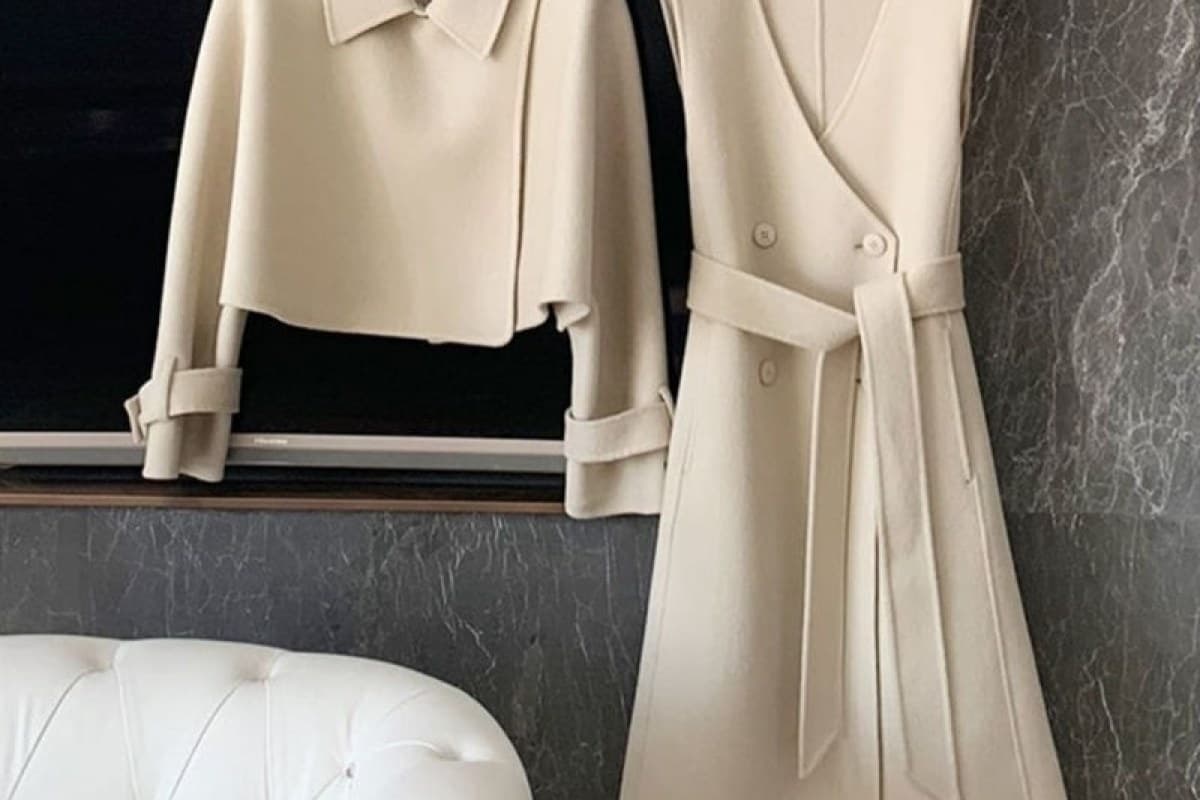
The best apple body shape outfits share three traits: fabric that skims instead of clings across the midsection, a neckline that opens up the chest, and a hemline or trouser that shows off the legs. If you carry your weight through the bust, ribcage and stomach while your hips and legs stay comparatively slim, you can build almost every look you like around those three ideas. Below you will find the dress silhouettes, tops, trousers and jackets that work, the fit checks that matter, and the small mistakes that quietly undo an otherwise good outfit.
“Apple” describes proportion, not size. The typical pattern is a fuller bust or ribcage, a waist that is not sharply defined, and slimmer hips, thighs and calves. Shoulders are often average to broad. Any size can be an apple, and plenty of slim people are too, because it is about where the body carries volume rather than how much.
A quick self-check: measure your bust, your waist at the narrowest point and your hips at the fullest point. If your waist measurement is close to or larger than your hip measurement, and your bust is similar to or larger than your hips, the apple label probably fits. Treat it as a starting point for shopping decisions, not a rule you must obey. If you prefer a fitted waist and feel great in it, wear it.
The most reliable choice is a dress that gets its shape from the bust or shoulders and then falls away from the body. That means empire-line and A-line cuts, wrap dresses with a V-neck, and shift dresses cut in a fabric with real drape. Browse the dresses collection with those silhouettes in mind and check the product page for fabric composition before you buy.
An empire seam sits just under the bust, which is the narrowest part of the upper body for many apples. Everything below it flows freely, so nothing is pulled tight across the stomach. The seam should hit under the bust itself, not on it. If it lands across the fullest part of the chest, the dress looks like a bib; a seam that rides up ends the illusion.
A true wrap adjusts, which matters because midsection size can shift through the day. The V it creates elongates the torso, and the crossover drapes softly over the stomach. Tie it slightly higher than your natural waist rather than at it, and avoid very thin jersey that shows every fold underneath.
A shirt dress works if you leave the lower buttons loose or the belt low-key. Belt it under the bust, or wear it open over a slim column of a top and trouser as a long duster. Shifts work when the fabric has a little weight, such as crepe or heavy jersey. Stiff cotton poplin sticks out at the belly like a tent.
Fabric decides more than cut. Look for matte crepe, fluid viscose-style weaves, drapey jersey with weight, ponte and soft knit blends. These hang from the shoulder and skim over the stomach. Avoid three fabric types in the middle of the outfit:
If you love a fabric that is a bit clingy, choose a lined version, or wear a smooth slip under it. Our note on choosing shapewear under dresses covers what to pick and what to skip.
The goal is a top that ends at, or just past, the widest part of the midsection with a shape that does not cinch.
Boxy oversized shirts sound easy, but an oversized style with a straight hem at hip height creates a rectangle. Add an open collar and roll the sleeves to make it look deliberate.
Because many apples have slimmer legs, trousers and skirts are a place to show off. Straight or slightly wide-leg trousers with a mid or high rise and a flat front, ideally with a hidden elastic panel at the back of the waistband, stay comfortable through a whole day. Avoid rigid waistbands that dig in and create a muffin-top line under a clingy top. Our guide to styling high-waist pants explains how to choose a rise that works with a fuller midsection.
Knee-length A-line skirts and slightly flared midi skirts pair well with fitted tops that stay away from the stomach. Pencil skirts can work in a stretch fabric with a wide, smooth waistband.
An open, longline blazer creates strong vertical lines from shoulder to hem, which draws attention down the body and away from the middle. Single-breasted styles are better than double-breasted, because the second row of buttons adds bulk right at the stomach. Choose a blazer where you can close the top button without pulling and wear it open otherwise. The point where the jacket button sits matters: it should hit at or just above your natural waist, not across the fullest part of the belly. To choose your size, our blazer fit guide by body type walks through shoulders, length and sleeves.
If you carry weight more through the hips, our pear body shape clothing guide uses a different set of rules, and the women’s dress guide covers occasion-specific cuts.
Yes, if you like it. Choose a thick, opaque, seamed or ruched fabric rather than thin jersey, and a length that hits at the knee or below. Ruching at the sides and a mid-weight knit disguise the outline without hiding it.
A half-tuck is the easiest compromise. Full tucks work with a fluid top and a high-rise trouser, and they rely on a smooth trouser waistband. If a full tuck leaves a visible bulge at the waistband, go back to a longline top left out.
Darker or more saturated tones through the midsection with lighter or brighter tones near the face pull the eye upward. That is a styling trick, not a law. Solid colours also let you experiment with texture instead.
Look for a rise that sits above the belly button to avoid pinching, a stretch denim with a little recovery and a straight or slightly flared leg. A contoured waistband or a back panel that gives helps a lot.
Ready to test these silhouettes? Explore the women’s collection at ADDMPS and pick pieces that skim rather than squeeze.
Edited by the ADDMPS Style Team.
Shop an outfit around one piece with ADDMPS: choose star or backdrop, set your colours, match formality, then finish with shoes and one smart accessory.

Steam or dry clean your blazer? ADDMPS explains when each is right, how to steam at home step by step, and which fabrics need extra caution before you start.