
Build an Outfit Around One Piece: 5 Simple Steps
Shop an outfit around one piece with ADDMPS: choose star or backdrop, set your colours, match formality, then finish with shoes and one smart accessory.
How to choose a pocket square, four easy folds, the fabrics that suit suits and blazers, and how to avoid over-matching. Shop tailored jackets at ADDMPS.
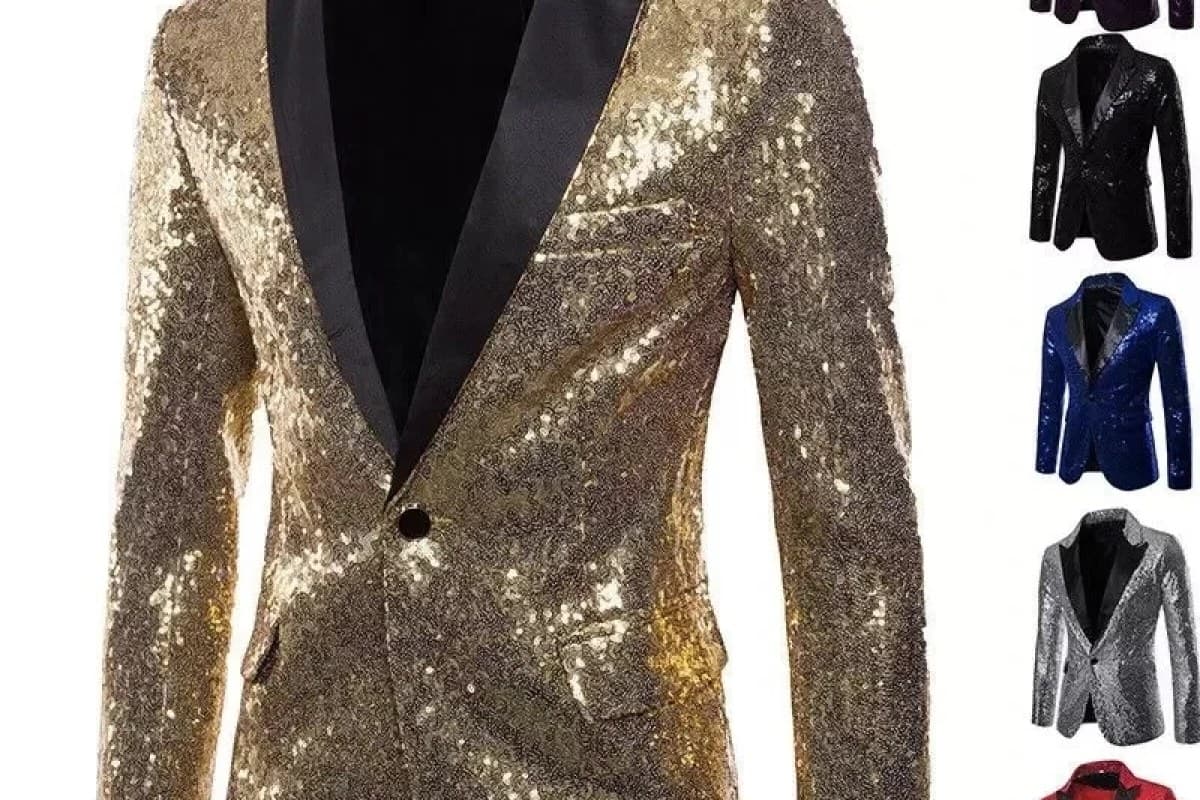
The one rule of pocket squares is that the square should complement your outfit without matching it. Pick a colour that appears in your shirt, tie or suit, in a different pattern or shade; fold it neatly for formal settings or puff it loosely for casual ones; and let about half an inch show above the pocket. This guide covers how to choose a pocket square, the folds worth learning, the fabrics that suit each jacket, and the mistakes that make the detail look forced rather than effortless.
A pocket square is a small piece of cloth worn in the breast pocket of a suit jacket or blazer. It has no practical function; it adds colour, texture and a small point of interest to an outfit that would otherwise be all one tone. It also signals that the outfit was chosen rather than assembled, which is why even a plain white square makes a suit look more finished.
A pocket square is not a handkerchief. A handkerchief is for use, usually larger, and kept in a trouser pocket, while the square stays folded on display.
Most pocket squares measure roughly 12 to 16 inches (30 to 40 cm) on each side. Smaller ones fold neatly into a straight line; larger ones puff and drape more easily. If a square looks stuffed in a slim pocket, it is probably too big or too thick.
Cotton and linen squares hold a fold with less fuss, which is why beginners do well to start there.
Fold the square in half, then in half again or thirds until it fits the pocket width, so it makes a rectangle. Place it so the straight edge shows above the pocket by half an inch. It is the most formal fold and looks best in white linen with a dark suit or a tuxedo.
Fold the square into a triangle, then fold the sides in to fit the pocket, so one point stands above the edge. It is slightly less formal than the straight fold and a good choice for business and blazers.
Fold the square into a triangle, then fold one corner across so that two staggered points show. It is a little more decorative and works well with a patterned or coloured square.
Pinch the centre of the square, pull it through your fist, and drop it into the pocket so the edges spill out irregularly. It is the most relaxed fold, and it suits silk squares with blazers, sport coats and evening jackets. Avoid it with a stiff formal suit.
Choose one of these strategies rather than improvising:
Avoid the boxed tie-and-square set in the same fabric and pattern. It looks unimaginative and is often a giveaway of a rushed choice. If you wear no tie, a coloured or patterned square carries more of the outfit and can be bolder. See our guide to tie width, knots and formality for the matching neckwear.
Formal suits call for straight or one-point folds in linen, cotton or a plain silk, with white being the reliable option. A very bold square on a business suit can distract from the outfit, so keep the colour close to the suit or tie.
Here you can play more. A patterned silk in a puff, a textured wool square with a tweed jacket, or a printed cotton square in a summer blazer all work. For examples of outfits, see our navy blazer outfit ideas.
White linen or white silk in a straight fold is the traditional choice. Anything else is a departure from the code.
Denim jackets, bomber jackets and leather jackets do not take pocket squares. A pocket square belongs with a tailored jacket that has a welted breast pocket.
Many new jackets have the breast pocket stitched shut with a small tacking thread, so check before you try to insert the square, and snip the thread carefully. For a straight fold, about a half inch of fabric should be visible above the pocket edge. For a puff or points, the square can rise up to an inch or so. Check in the mirror from the side as well as the front, because a fold that looks neat from the front can gape from an angle.
A pocket square is the third pattern in an outfit that may already have a patterned shirt and a patterned tie, so scale is what keeps the result from looking chaotic. If the shirt has a fine check, the tie can carry a wider stripe, and the square then works best in a plain colour or a small, soft print. If the tie is plain, the square is free to be the boldest element. As a rule of thumb, allow one dominant pattern, one supporting pattern at a different scale, and one quiet element. When you are unsure, go back to white or a solid colour.
Colour temperature matters as well. A cool navy suit with a cool blue shirt takes a warm rust or ochre square well because the contrast is deliberate, while a square in a shade that sits close to the tie but not quite the same colour looks accidental.
No, but it is a simple way to add polish. A white linen square in a straight fold is the least risky, and it takes seconds.
It should coordinate with it, not match it. Pick one colour from the tie or shirt and choose a different pattern or shade.
Yes. With an open-collar shirt and a blazer, the pocket square adds interest and helps the outfit look complete. Choose a slightly looser fold, such as a puff or one-point.
Fold it to the width of the pocket so that it fits snugly. If it slips, a pocket square holder or a small pin can help, but a square of the right size and thickness rarely needs one.
To try one with a tailored jacket, browse the men’s blazers at ADDMPS. Our guide to accessories that upgrade a blazer outfit covers what else to add.
Edited by the ADDMPS Style Team.
Shop an outfit around one piece with ADDMPS: choose star or backdrop, set your colours, match formality, then finish with shoes and one smart accessory.

Steam or dry clean your blazer? ADDMPS explains when each is right, how to steam at home step by step, and which fabrics need extra caution before you start.