
Build an Outfit Around One Piece: 5 Simple Steps
Shop an outfit around one piece with ADDMPS: choose star or backdrop, set your colours, match formality, then finish with shoes and one smart accessory.
Find your ideal men’s shorts fit: inseam length by height, waist and rise checks, the best fabrics and which shoes to wear with them. A practical ADDMPS guide.
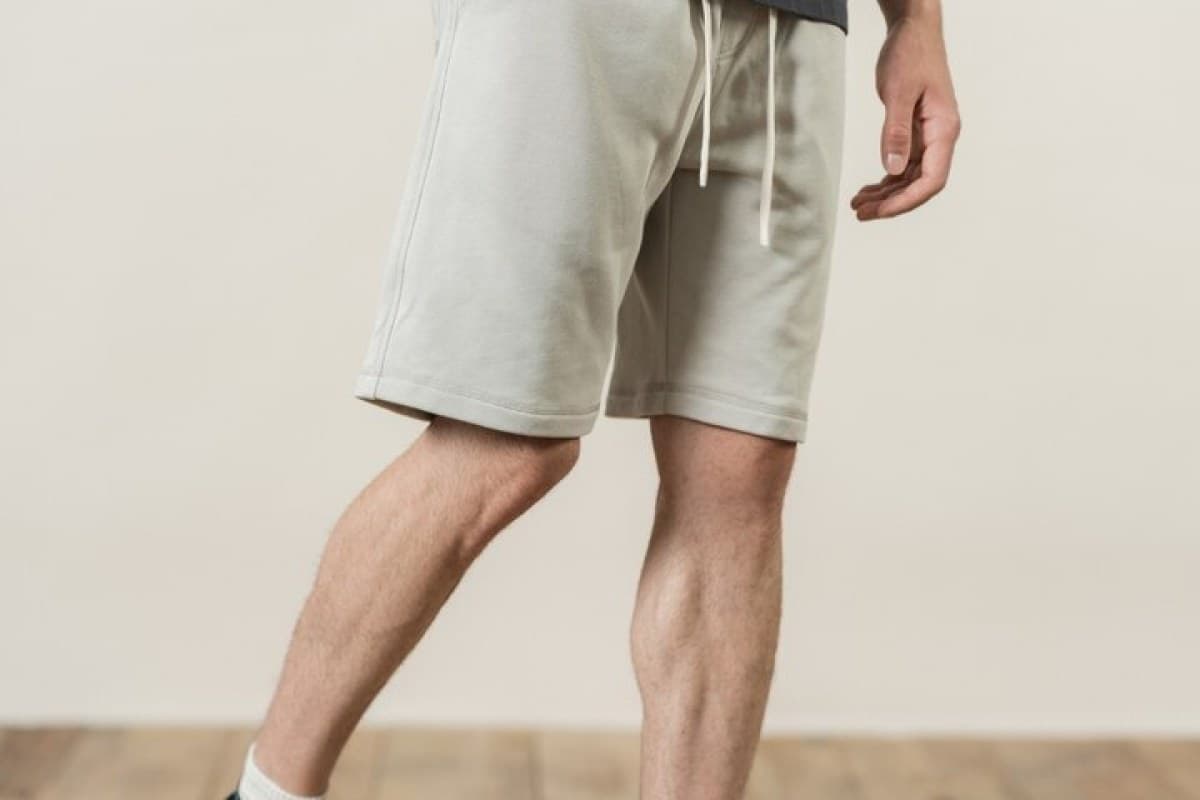
The rule for men’s shorts fit is easy to remember: the hem should end at or just above the top of your kneecap, the waist should sit at your natural waist without a gap at the back, and the thigh should be fitted enough to show shape but loose enough to walk in comfortably. For most men that means an inseam somewhere between 7 and 9 inches, adjusted up or down for height and how casual the look is.
Below you will find inseam lengths broken down by height, how to measure your own, how the leg opening, rise and fabric change the look, and which shorts suit which occasion.
The inseam is the measurement from the crotch seam to the hem along the inside of the leg. It is the number that decides how a pair of shorts sits on you. Rough guidelines follow. They vary by brand and cut, so use them as starting points.
If you are around 5 feet 6 inches or shorter, stay near the 5 to 7 inch end so you do not lose leg length; long shorts cut the leg in half visually. If you are around 6 feet 2 inches or taller, an 8 to 10 inch inseam usually looks balanced, since a very short pair can look tight on longer thighs. If you are in the middle, 7 to 9 inches will almost always work. The same proportion logic appears in our guides for shorter men and taller men.
Take a pair of shorts you already like, lay them flat, and measure from the crotch seam down the inner leg to the hem. Do the same for the front rise, from the crotch seam to the top of the waistband. Write both down and compare them with any size chart you use when you shop online. Body measurements are useful too: for waist, measure at your natural waist over one layer of clothing, and for thigh, wrap the tape around the fullest part.
Shorts should sit at or a little below your natural waist, with a belt or drawcord doing minimal work. A good test: put a finger between the waistband and your stomach; it should fit without force. If you need a belt to stop them sliding off, they are too big. If the button digs in when you sit, they are too small.
A slightly higher rise makes the legs look longer and keeps a tucked shirt neat. A low rise tends to pull the pocket bags outward and shortens the leg.
Look at the leg opening rather than the thigh alone. A slim opening looks tidy, but it grips the thigh when you move; a very wide opening flaps. Aim for a hem that stands off your leg by about a finger’s width or two on every side, so the fabric can move without clinging. If you have muscular thighs, choose a pair with stretch or a fuller cut so that the hem does not ride up, and take the waist in at the tailor when needed. Tailors can take in a waist far more easily than they can add thigh room, so buy for the thigh first.
Cut like trousers, with a flat front or a single pleat, a proper waistband and belt loops. They go with loafers and a shirt, and they are the smartest option for warm-weather dinners or relaxed offices.
The default. Wear them with a polo, tee or camp-collar shirt and clean sneakers or loafers.
Extra pockets add bulk at the thigh. Choose a slim cut in a thin fabric and keep the pockets empty, or skip them if you want a sharper look.
Meant for the gym or the water. Wearing them as a substitute for chino shorts in a restaurant or in town rarely looks intentional.
Proportion is everything. Tuck a tee or shirt only if the shorts have a proper waistband and a belt, or wear a shirt untucked with a hem that ends at the base of the fly, so the shirt does not compete with the shorts. An oversized long tee over short shorts looks unbalanced.
For colour, navy, khaki, olive and stone are the safest. Read our weekend smart casual checklist for full outfit ideas.
Shorts fit casual offices only where the dress code clearly allows them, and they are wrong for interviews, formal weddings, restaurants that ask for smart dress, and most religious or cultural venues. When in doubt, ask about the dress code before choosing them. Tailored shorts sometimes work at relaxed beach or garden events, but they are not a substitute for trousers at a formal function.
Aim for the hem to stop at or just above the kneecap, which for most men means an inseam of 7 to 9 inches. Shorter men can go a little shorter, and taller men can go a little longer.
Neither. Choose a fitted waist and seat with a thigh that has room to move. If you can see the outline of your pockets through the fabric, they are too tight.
Only in very relaxed settings, and the shorts must be tailored. It is a fashion look, not a work outfit. For a summer office, lightweight trousers are the safer choice.
Navy, stone, khaki and olive go with the widest range of tops. Pure white looks crisp but shows every mark.
To compare options, browse men’s shorts at ADDMPS and check the product page for measurements before you order.
Edited by the ADDMPS Style Team.
Shop an outfit around one piece with ADDMPS: choose star or backdrop, set your colours, match formality, then finish with shoes and one smart accessory.

Steam or dry clean your blazer? ADDMPS explains when each is right, how to steam at home step by step, and which fabrics need extra caution before you start.