
Build an Outfit Around One Piece: 5 Simple Steps
Shop an outfit around one piece with ADDMPS: choose star or backdrop, set your colours, match formality, then finish with shoes and one smart accessory.
Slim, straight or relaxed? Learn how each jeans cut fits, how rise and inseam work, and how to choose for your build. Shop men’s jeans at ADDMPS today.
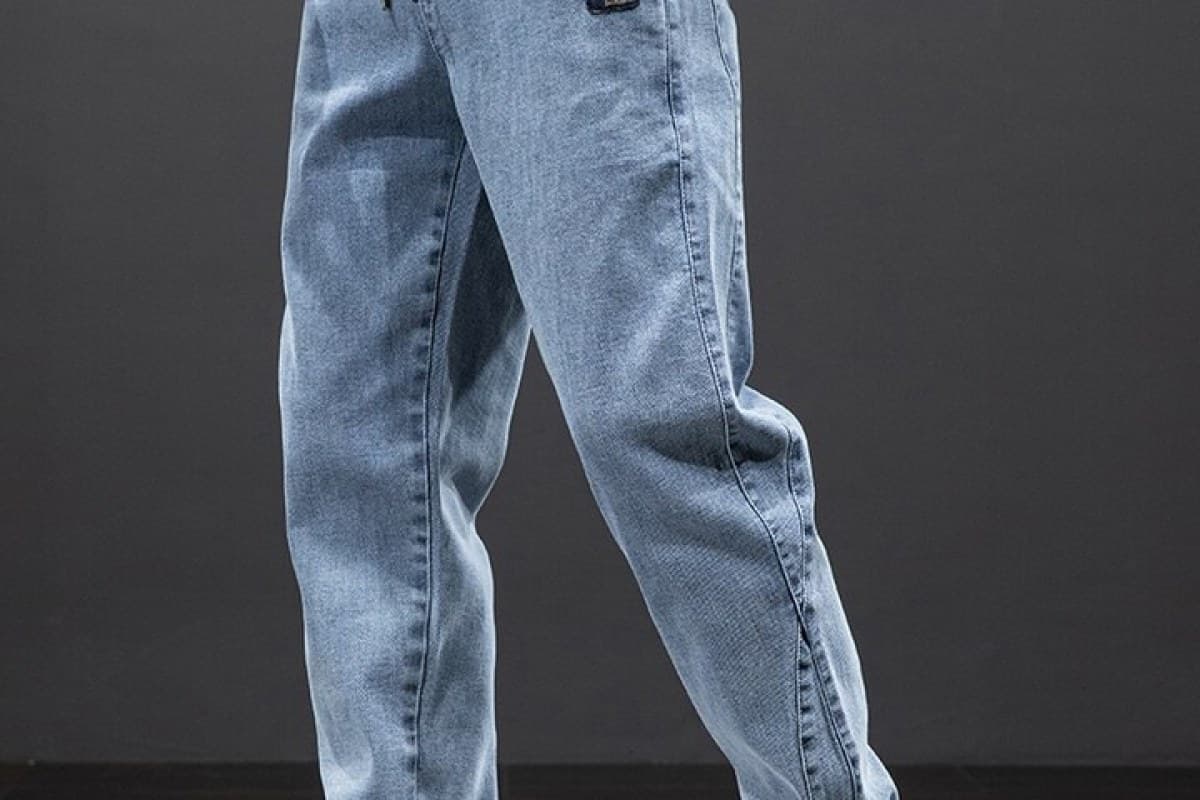
Slim, straight and relaxed jeans differ mainly in how much room they leave in the thigh and how wide the leg opening is at the hem. Slim jeans follow the line of the leg and narrow toward the ankle, straight jeans keep roughly the same width from knee to hem, and relaxed jeans add extra room through the seat and thigh. The fit that suits you depends on your thighs, your height, the shoes you wear and how dressed up you want to look. This guide explains each cut, how to check jeans fit in the mirror, and how to choose by body type.
Slim jeans sit closer to the thigh and taper from the knee to the ankle. They give a lean, neat line and look best on slimmer to average builds with sneakers or slim boots. On a heavier thigh, slim jeans can pull across the front and feel restrictive. If you like the slim look but have muscular legs, look for an athletic taper instead: more room in the thigh and seat with a narrower leg from the knee down.
Straight jeans hang from the hip in a near-constant width, with a leg opening that looks balanced against the size of your boots or shoes. They are the most versatile cut, suit almost every body type, and take dress shoes, boots and trainers equally well. If you want one pair that works for work, weekends and travel, start here.
Tapered jeans are roomier at the thigh and narrow toward the hem. They suit men with larger thighs who want a clean ankle. They can be a good compromise between straight and slim.
Relaxed jeans have more room in the seat, thigh and leg. They are comfortable for long days and work well with chunky shoes, boots and looser tops. In dark denim they can be smart enough for casual offices. The risk is proportion: a relaxed jean with a loose top and chunky shoe can look shapeless, so balance it with a fitted or structured piece on top.
Bootcut jeans widen from the knee to fit over boots. They are a niche choice and look best with boots and a slightly retro outfit. Wide-leg jeans are a fashion silhouette that works with a chunkier shoe and a fitted or cropped top.
Sit down, crouch and lift a knee. If the jeans feel comfortable in each position, they are likely to stay comfortable through a day.
For weekend outfits built around these cuts, read our weekend smart casual checklist for men.
Rigid denim (100 percent cotton) starts stiff and moulds to your body over weeks of wear. It feels snug at first, softens and often loosens a little at the waist. Stretch denim, which includes a small percentage of elastane, is comfortable from the first wear and keeps its shape, but it does not develop the same character. Some denim also shrinks on the first wash, usually in length, so check the care label and the product page to see whether it is pre-washed. If you are unsure, buy your usual size and wash cold, and have any hem adjusted afterward.
Measure a pair of jeans that fit you well, lying flat: waist, rise, thigh, inseam and leg opening. Compare them with the garment measurements on the size chart rather than relying on the size label, which differs between brands. Our guide on how to read clothing size charts shows how to do this. If a pair does not work out, eligible unworn items with tags can be returned within 30 days of delivery; see the delivery and return details on our shipping and returns page.
Straight fit in a mid rise and a dark wash. It looks right with trainers, boots, loafers and a blazer, and it works on most body types.
Skinny jeans fit tightly from the thigh to the ankle and often use stretch fabric. Slim jeans are closer than straight ones but leave more room, so they move more naturally.
Comfortably snug, without digging in, and without gaping at the back when you sit. If you need a belt to keep them up, the waist is probably too large.
Rigid denim can feel slightly snug at first and then relax with wear. Stretch denim should feel comfortable straight away. If a pair is painful to sit in, it is too small.
To compare cuts, browse the men’s jeans at ADDMPS and check the product page for fit and fabric details. If you are building a broader smart casual wardrobe, our pillar guide to men’s smart casual, denim and tailoring is a good next read.
Edited by the ADDMPS Style Team.
Shop an outfit around one piece with ADDMPS: choose star or backdrop, set your colours, match formality, then finish with shoes and one smart accessory.

Steam or dry clean your blazer? ADDMPS explains when each is right, how to steam at home step by step, and which fabrics need extra caution before you start.